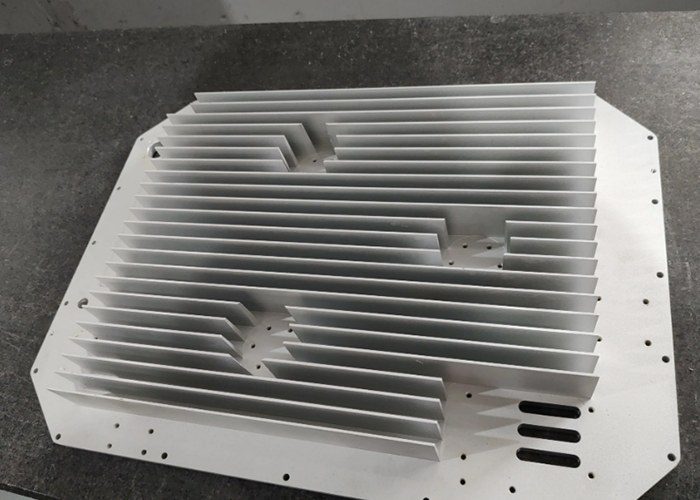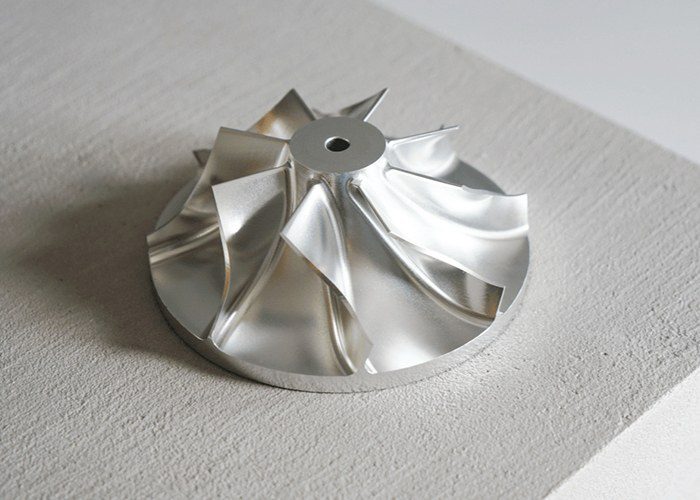
In the landscape of modern manufacturing, where mass production often dominates, there exists a realm of exquisite precision and tailored functionality: custom CNC work. This sophisticated process transcends standard, off-the-shelf production, offering a bridge between intricate design vision and tangible, high-integrity reality. Custom Computer Numerical Control (CNC) machining is not merely a service; it is a collaborative art form that empowers innovation across industries, from aerospace to bespoke automotive, from medical implants to unique architectural installations.
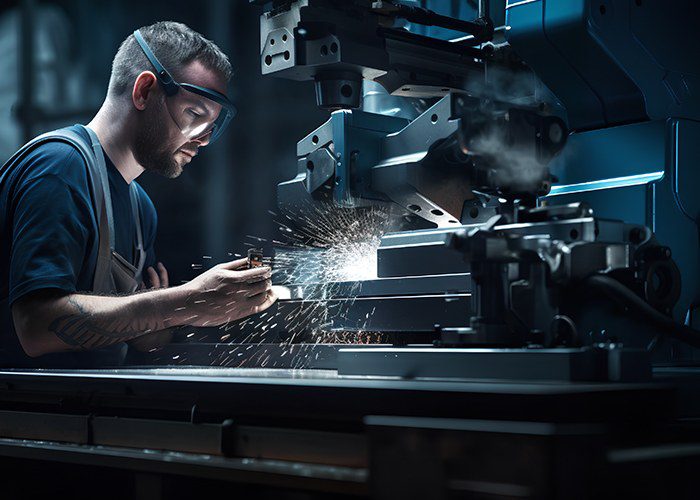
At its core, CNC machining is a subtractive process for fabricating parts, where computer-directed tools remove material from a solid block. This can involve mills, lathes, grinders, or routers that sculpt a solid block of material—be it metal, plastic, wood, or composite—into a finished part by removing layers. Custom CNC work elevates this fundamental principle by focusing on one-off components, small batches, or highly specialized designs that standard machining lines cannot accommodate. It begins not with a catalog, but with a conversation, a blueprint, or a complex 3D CAD (Computer-Aided Design) model. The client’s specific needs—whether driven by unique performance requirements, aesthetic desires, or the necessity to prototype a groundbreaking invention—become the central directive.
The journey of a custom CNC project is a symphony of digital and mechanical precision. It starts with meticulous design analysis. Skilled engineers and machinists examine the CAD model for manufacturability, suggesting optimizations for strength, material efficiency, or tool accessibility without compromising the design intent. The selection of material is a critical, customized choice in itself. Will the part endure extreme stress, requiring aerospace-grade aluminum or titanium? Does it need to be biocompatible, like surgical-grade stainless steel or PEEK plastic? Or is the goal lightweight rigidity with carbon fiber composites? Each material behaves differently under the tool’s touch, and the CNC program must be calibrated accordingly.
Next comes the digital alchemy: CAM (Computer-Aided Manufacturing) programming. Here, the machinist translates the 3D model into a language of G-code, a precise set of instructions governing every movement of the CNC machine—every cut, drill, turn, and contour. For custom work, this programming is a highly skilled task, often involving strategies to machine complex geometries, deep pockets, or delicate features that would be impossible manually. The programmer selects cutting tools, determines optimal feed rates and spindle speeds, and plans the sequence of operations to achieve the finest surface finish and tightest tolerances, sometimes within microns (thousandths of a millimeter).
The true value of custom CNC machining manifests in its unparalleled advantages. First is absolute precision and repeatability. Once the program is verified, a CNC machine produces parts with exceptional accuracy, batch after batch, ensuring every component meets the exact same specification. This is crucial for parts that must fit together perfectly in an assembly or function reliably in a critical system. Second is material versatility. Unlike processes limited to specific materials, CNC machines can handle an extraordinary range, from soft plastics and hardwoods to superalloys, allowing designers to choose the ideal substance for their application. Third is the capability for complex geometry. CNC technology can create shapes, internal channels, undercuts, and organic forms that are virtually unachievable with conventional manual machining or even 3D printing when maximum strength and material properties are needed.
Furthermore, custom CNC work is the engine of rapid prototyping and low-volume production. Inventors and engineers can transform an idea into a functional metal or plastic prototype within days, test it, iterate the design, and produce a small run of final parts without the enormous cost of creating dedicated molding or casting tools. This agility accelerates innovation and brings products to market faster.
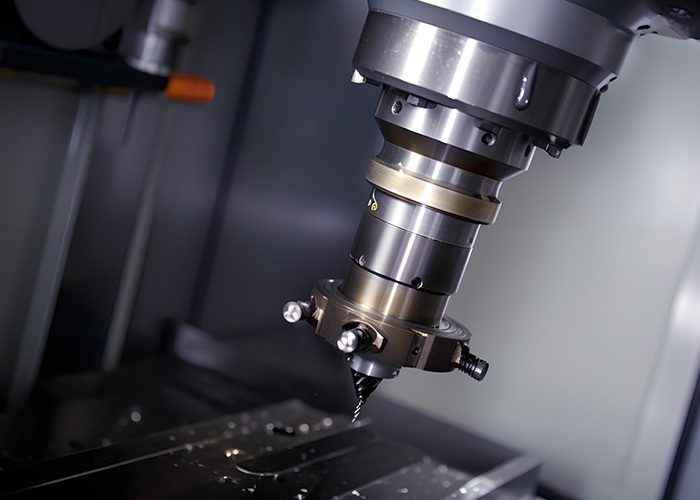
From the sculptural aluminum body of a limited-edition hypercar to a custom titanium bracket for a satellite, from a one-of-a-kind brass musical instrument component to a prototype for a next-generation medical device, custom CNC work is the invisible hand shaping the forefront of technology and design. It represents a perfect marriage of human ingenuity and digital-mechanical precision. In a world increasingly moving towards personalization and technological advancement, the demand for this craft is not just sustained; it is growing. It stands as a testament to the fact that even in the digital age, the creation of physical, high-precision objects of purpose and beauty remains a fundamental and highly sophisticated human endeavor. It is, ultimately, the art of making the uniquely imagined, perfectly real.