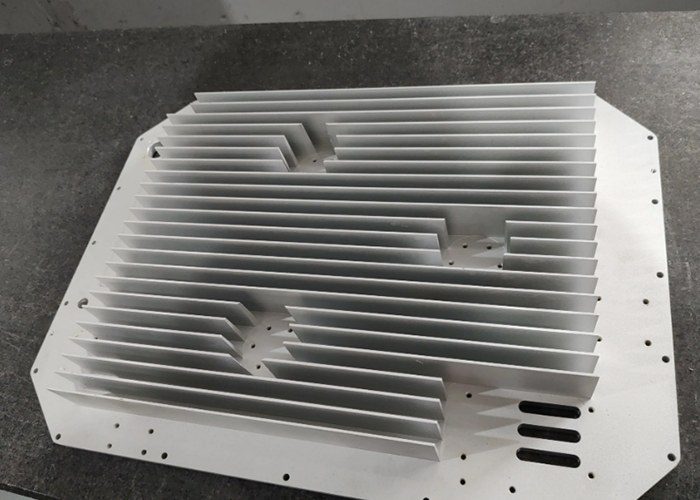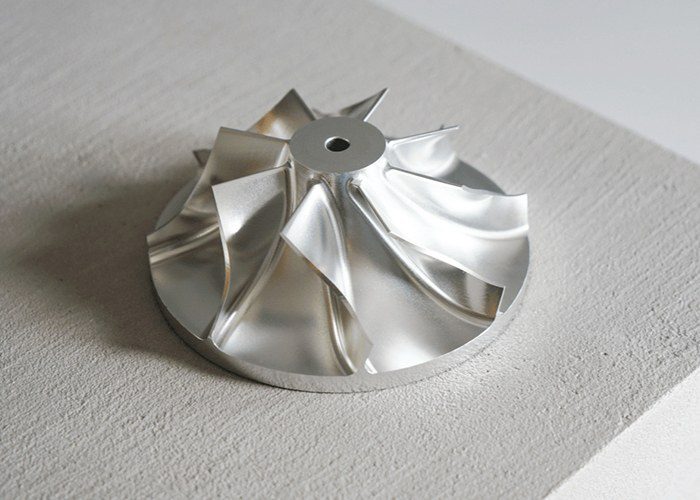
In an era defined by rapid technological advancement and ever-increasing demands for precision, CNC machining parts services have emerged as the indispensable foundation of modern industrial production. From the smallest medical implant to massive aerospace structural components, computer numerical control (CNC) machining enables manufacturers to transform digital designs into physical reality with astonishing accuracy and repeatability. As global manufacturing continues its relentless march toward higher precision, greater efficiency, and smarter automation, CNC machining parts services stand at the very heart of this transformation.
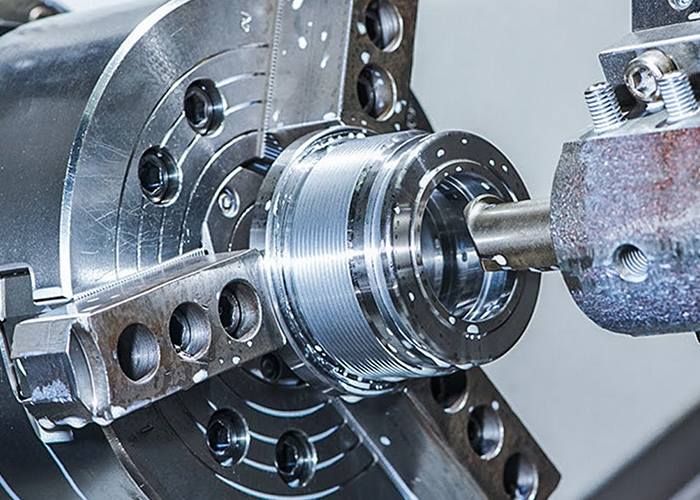
Understanding CNC Machining Parts Service
At its core, CNC machining is a subtractive manufacturing process in which pre-programmed computer software controls the movement of machine tools such as mills, lathes, and grinders to remove material from a solid workpiece. Unlike traditional manual machining, where precision depends heavily on operator skill, CNC machining executes digital instructions with unwavering consistency, enabling tolerances as tight as ±0.005 millimeters. The process begins with engineers creating a detailed 3D CAD model of the desired part, specifying every dimension, tolerance, and surface feature. This digital model is then converted into G-code through CAM (computer-aided manufacturing) software, which directs the machine’s every movement—tool path, spindle speed, feed rate, and cutting depth.
The two primary methods within CNC machining are milling and turning. CNC milling uses high-speed rotating cutting tools to shape a stationary workpiece, making it ideal for complex geometries and flat surfaces. Advanced five-axis milling machines can produce intricate parts in a single setup, dramatically reducing production time and improving accuracy. CNC turning, by contrast, rotates the workpiece while stationary tools cut it to shape, making it the preferred method for cylindrical components such as shafts, bushings, and threaded parts. Modern CNC turning centers often combine both turning and milling capabilities, further streamlining production.
The Advantages That Drive Adoption
The global CNC metal cutting service market was valued at approximately US$52.7 billion in 2024 and is projected to reach US$88.6 billion by 2031, representing a compound annual growth rate of 7.7%. This remarkable growth reflects the compelling advantages that CNC machining parts services offer.
Precision stands as the foremost benefit. CNC machines can consistently produce parts with tolerances measured in microns, ensuring that every component meets exact specifications regardless of production volume. Attaining such tight tolerances is infeasible via manual machining processes. Consistency is equally important—once a program is verified, the same CNC machine can produce thousands of identical parts with minimal variation, making it ideal for high-volume production runs.
Efficiency represents another critical advantage. CNC machines can operate around the clock with minimal human intervention, significantly increasing production capacity. Advanced automation features such as automatic tool changers and robotic loading systems enable unattended operation, reducing labor costs while maintaining consistent quality. For prototyping and low-volume production, CNC machining offers the flexibility to produce complex parts without the expensive tooling required by processes like casting or injection molding.
Applications Across Industries
CNC machining parts services serve an extraordinarily diverse range of industries, each with unique requirements and challenges. In aerospace, where component failure can have catastrophic consequences, CNC machining produces turbine blades, structural components, and engine parts with the extreme precision and reliability the industry demands. The automotive sector relies on CNC machining for engine components, transmission parts, chassis elements, and custom aftermarket accessories—applications where rapid prototyping and consistent quality are essential.
The medical device industry represents one of the most demanding applications for CNC machining. Surgical instruments, orthopedic implants, and diagnostic equipment components must meet stringent regulatory standards and often require biocompatible materials such as titanium and stainless steel. CNC machining enables the production of patient-specific implants directly from CT scan data, a capability that was unimaginable just a generation ago. Other critical sectors include industrial equipment, electronics, energy, and semiconductor manufacturing, all of which depend on the precision and reliability that CNC machining provides.
The Technology Driving the Future
The CNC machining industry is undergoing rapid transformation driven by digitalization, automation, and the rise of Industry 4.0. Artificial intelligence and machine learning are revolutionizing process planning and toolpath optimization—analyzing part geometry, material properties, and machine performance to recommend optimal cutting parameters, reduce cycle times, and extend tool life. Predictive maintenance systems monitor machine health in real time, detecting potential failures before they occur and minimizing costly downtime.
Five-axis machining platforms have become increasingly accessible, enabling the production of complex geometries that were once considered unmachinable. Digital twin technology allows operators to simulate entire machining operations virtually before cutting a single chip of material, mitigating risk and accelerating product development. Hybrid manufacturing systems that combine additive (3D printing) and subtractive (CNC) processes in a single workflow are expanding design freedom while reducing material waste.
Sustainability has also emerged as a key focus area. Service providers are implementing energy-efficient machining strategies, optimizing tool change sequences, and adopting environmentally friendly cutting fluids to reduce waste and minimize carbon footprints.
Choosing the Right CNC Machining Partner
Selecting a CNC machining parts service provider requires careful evaluation across multiple dimensions. Technical capability and equipment sophistication are paramount—providers should offer multi-axis machining capabilities and a range of complementary processes such as grinding, EDM, and heat treatment. Material expertise matters as well, with leading service providers supporting everything from aluminum and stainless steel to titanium, engineering plastics, and superalloys.
Quality assurance systems are non-negotiable. ISO 9001 certification provides a baseline, but industry-specific certifications such as AS9100 for aerospace and IATF 16949 for automotive indicate a higher level of commitment to quality. Real-world performance metrics—on-time delivery rates, response times, and customer reorder rates—often provide more meaningful insights than certifications alone.
Conclusion
CNC machining parts services represent far more than a manufacturing capability—they embody the convergence of digital intelligence and mechanical precision that defines modern industry. As global manufacturing continues to evolve toward greater automation, intelligence, and sustainability, CNC machining will remain the essential technology that turns ideas into reality, one precisely machined part at a time. For businesses seeking to compete in today’s demanding marketplace, partnering with a capable CNC machining service provider is not merely an option—it is a strategic imperative.