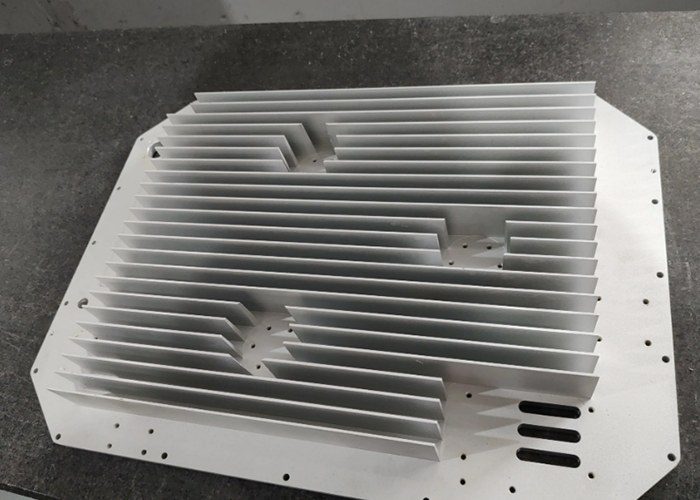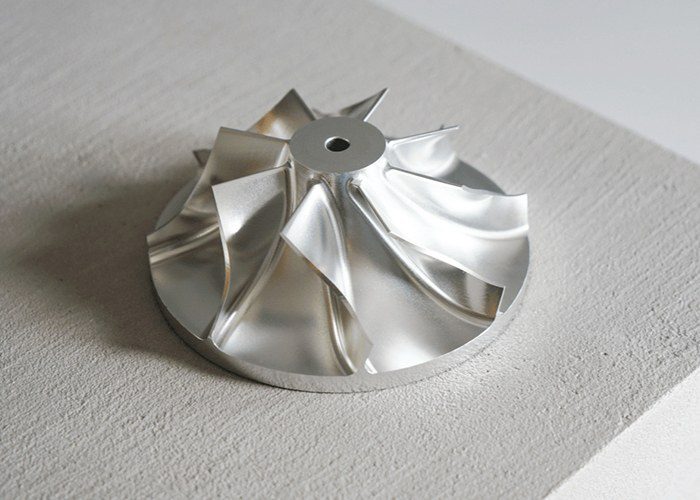
In the vast ecosystem of modern manufacturing, few material-process combinations are as foundational as CNC machining applied to iron-based components. From the engine blocks that power automobiles to the massive bases that anchor precision machine tools, CNC-machined iron parts represent a cornerstone of industrial production. This article explores the essential aspects of this critical manufacturing discipline—from the types of iron commonly machined to the techniques, challenges, and applications that define the field.
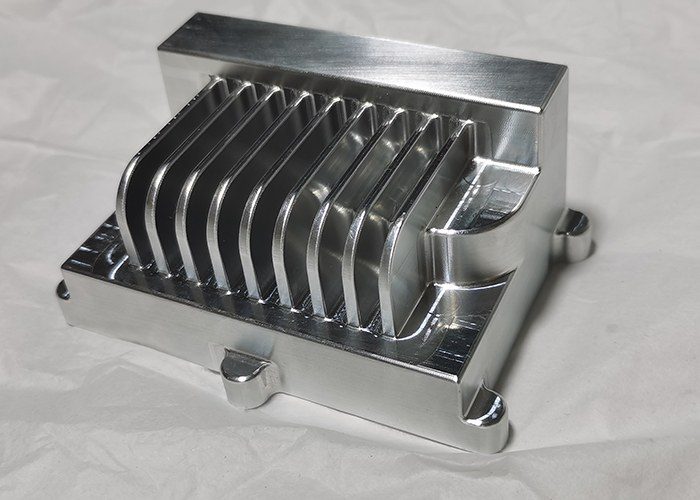
Understanding Iron as a Machining Material
Iron, in its various forms, offers a unique combination of properties that make it indispensable for countless engineering applications. The most common type machined is cast iron, an iron-carbon alloy containing more than two percent carbon, typically present as graphite flakes or nodules. This high carbon content fundamentally alters the material’s behavior during machining, creating both advantages and challenges.
The primary variants encountered in CNC machining include gray cast iron, ductile (nodular) cast iron, malleable cast iron, and white cast iron. Gray cast iron, characterized by its flake graphite structure, offers exceptional vibration damping and thermal conductivity, making it ideal for machine bases, engine blocks, and housing components. Ductile cast iron, containing spherical graphite nodules, provides greater tensile strength, ductility, and impact resistance while retaining many of gray iron’s favorable machining characteristics. Malleable cast iron, produced through heat treatment of white cast iron, offers toughness and ductility for agricultural machinery and automotive components.
The Advantages of CNC Machining Iron
CNC machining brings remarkable precision and consistency to iron part production. Computer-controlled machines can cut cast iron into complex geometries with high precision and uniform quality that would be difficult or impossible to achieve through manual methods. The process typically achieves machining accuracy of IT11 to IT7, with some精密 operations reaching IT6, and surface roughness controlled within Ra 12.5 to 0.8 μm.
From a machining perspective, cast iron is generally highly favorable. The graphite present in the matrix acts as a solid lubricant during cutting, significantly reducing friction between the cutting tool and the workpiece. This lubrication leads to lower cutting forces and extended tool life. Furthermore, cast iron produces discontinuous chips that crumble into small fragments rather than forming long, stringy ribbons that can tangle around the spindle. This characteristic allows for exceptional chip evacuation, making cast iron highly suitable for automated, unmanned CNC turning and milling operations.
The vibration-damping properties of cast iron are perhaps its most celebrated attribute. The graphite flakes in gray iron break up the continuity of the metallic matrix, making the material inherently capable of absorbing and dissipating mechanical vibrations. This makes it the premier choice for machine tool bases, heavy-duty brackets, and pump housings—applications where dimensional stability under dynamic loads is paramount.
Challenges and Solutions in Iron Machining
Despite its many advantages, machining iron presents significant challenges that demand careful attention. The abrasive nature of the material, particularly the sand inclusions often found in the outer skin of castings, can cause rapid abrasive wear on cutting tools. To mitigate this, manufacturers must employ highly wear-resistant tooling, such as carbide inserts, ceramic inserts, or cubic boron nitride (CBN)-coated tools.
The cutting forces required for iron are considerably higher than those for non-ferrous metals like aluminum. Ferrous metals such as cast iron require higher cutting forces, directly impacting spindle speed, tool wear, dimensional stability, and finishing costs. Research continues to advance cutting tool materials, improve insert designs, and develop new strategies in CNC cutter path generation to address these challenges.
High-speed machining of cast iron has emerged as a particularly promising approach. When applied to cast iron and alloy steels, high-speed machining offers high material removal rates, reduced lead times, and lower cutting forces, with heat dissipated through chip removal that decreases workpiece distortion and improves part precision and surface finish. However, it also demands specialized machine tools with advanced spindles and controllers, as well as sophisticated cutting tool materials and coatings.
Applications Across Industries
CNC-machined iron parts are ubiquitous across the industrial landscape. In the automotive sector, cast iron components include engine blocks, brake calipers, crankshafts, camshafts, gears, steering and chassis components, and transmission parts. The material’s durability and vibration-damping properties make it particularly well-suited for these demanding applications.
In general engineering, iron parts serve as machine bases, pump housings, valve bodies, brackets, pulleys, bushings, and structural supports. The material’s high compressive strength and rigidity make it ideal for load-bearing applications where dimensional stability is critical. Railway components, hydraulic parts for construction machinery, and industrial equipment frames all rely heavily on CNC-machined iron castings.
The flexibility of modern CNC equipment enables manufacturers to handle everything from prototypes to high-volume production runs. Multi-axis machining centers provide enhanced flexibility for components requiring multi-sided access or complex contours, reducing setup time and improving positional accuracy.
Conclusion
CNC machining of iron parts represents a mature yet continuously evolving manufacturing discipline. The combination of iron’s exceptional mechanical properties—its strength, rigidity, vibration damping, and cost-effectiveness—with the precision and repeatability of computer-controlled machining creates components that are fundamental to modern industry. As cutting tool technology advances and CNC programming becomes increasingly sophisticated, the capabilities and applications of machined iron parts will only continue to expand, ensuring this essential manufacturing process remains at the heart of industrial production for generations to come.