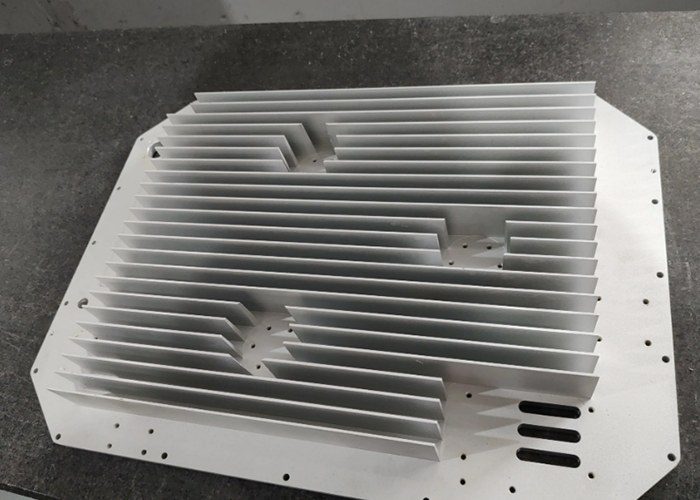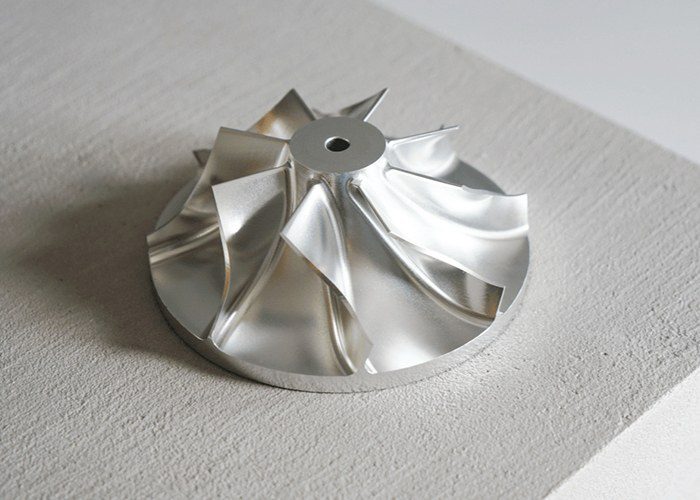
The gentle lapping of water against the hull, the sharp cry of a seabird overhead, and the sudden, jarring strike of a trophy fish—these are the moments that define angling. Yet, behind every successful battle between human and fish lies an arsenal of precision-engineered components that most casual observers never see. From the silent turning of a deep-sea reel to the seamless connection of a rod’s ferrule, the quiet revolution of Computer Numerical Control (CNC) machining has fundamentally transformed fishing tackle, turning what was once a purely mechanical device into a masterpiece of micron-level manufacturing.
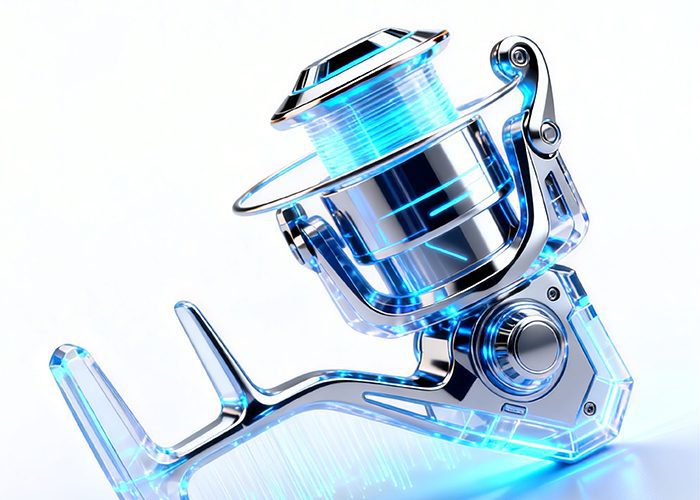
The Heart of the Fight: CNC-Machined Fishing Reels
The fishing reel is arguably the most mechanically complex piece of equipment an angler owns, and it is here that CNC machining has made its most profound impact. In the competitive realm of modern angling, reliance on cutting-edge reel technology has become pivotal to achieving optimal performance, with innovation shifting from basic mechanical improvements to sophisticated, precision-engineered components that balance durability, weight, and smoothness.
Modern reel manufacturers rely heavily on precision components manufactured through CNC machining, which allows for micron-level accuracy. This level of manufacturing precision not only increases efficiency but also reduces the risk of component failure—a critical consideration when targeting fish species that challenge even the most seasoned anglers.
Consider the case of Avet Reels, a Southern California manufacturer that has committed entirely to American-made production. With 30 CNC machines operating daily, Avet machines every component of its reels—from the main aluminum structure to the smallest internal springs and washers. The aluminum arrives as 12-foot-long bars in various diameters, is cut into slugs, and then moved through multiple computer-controlled machines that perform turning, milling, and stamping operations with robotic precision.
The choice of material is no accident. CNC machining excels at working with aerospace-grade aluminum alloys such as 6061-T6, which provide exceptional strength-to-weight ratios and superior corrosion resistance—essential qualities for saltwater fishing applications. By machining reels from solid blocks of aluminum rather than casting them, manufacturers eliminate internal porosity and weak points, delivering unparalleled rigidity and durability that withstand the punishing loads of big-game fishing.
Beyond the Reel: CNC in Rods, Lures, and Accessories
The influence of CNC technology extends far beyond the reel seat. Modern fishing rods incorporate CNC-machined components in ways that dramatically enhance performance and user experience. High-end rods now feature CNC-machined, tapered reverse-fit joints that create seamless, wobble-free connections between rod sections—a far cry from the loose, imprecise ferrules of the past.
Reel seats, the critical interface between rod and reel, are frequently CNC-machined from aluminum to provide secure, corrosion-resistant attachment points that withstand the harsh realities of both freshwater and saltwater environments. The precision of CNC machining ensures perfect concentricity, eliminating vibrations that could otherwise dampen sensitivity and reduce bite detection.
Even fishing lures have been transformed by CNC technology. Soft plastic lures, long considered a purely molded product, are now produced using CNC-machined metal dies capable of capturing extraordinarily fine details—three-dimensional scales, lifelike anatomical features, and intricate texture patterns that were previously impossible or prohibitively expensive to replicate with conventional manufacturing techniques. Hard-bodied lures benefit from 5-axis CNC machining that creates complex, hydrodynamically optimized shapes with precisely controlled internal weight distribution, ensuring stable, fish-attracting action at any retrieval speed.
Materials and Surface Treatments: The Final Frontier
What truly sets CNC-machined fishing components apart from their mass-produced counterparts is not just dimensional accuracy but the comprehensive suite of surface treatments that follow. After machining, components can be anodized in virtually any color, providing both aesthetic appeal and an additional layer of corrosion protection. Shot peening, sandblasting, and polishing create custom finishes that range from tactical matte to mirror-bright. These treatments, applied to precisely machined surfaces, create components that are as visually striking as they are functionally superior.
The Economic Landscape
The market for precision fishing equipment is substantial and growing. China remains the world’s leading manufacturing base for high-precision fishing reels produced using CNC machining technology, with specialized clusters in Guangdong, Shandong, and Zhejiang provinces offering robust infrastructure and skilled labor forces. The global fishing equipment market is projected to reach USD 41.66 billion by 2034, growing from USD 28.27 billion in 2025 at a compound annual rate of 4.4 percent, reflecting sustained demand for high-performance, precision-engineered gear.
Looking Ahead
As fishing continues to evolve from a subsistence activity into a sophisticated sport embraced by millions worldwide, the demand for ever-more-precise, durable, and lightweight equipment will only intensify. Hybrid manufacturing approaches combining CNC machining with carbon fiber composites are already emerging, producing components that are simultaneously stronger and lighter than their metal predecessors. Five-axis machining centers capable of producing complex, one-piece components from solid billets are becoming increasingly common, reducing assembly complexity while improving structural integrity.
The next time a fish strips line from a screaming reel, remember this: beneath that smooth, powerful performance lies not just craftsmanship, but the micron-level precision of computer-controlled manufacturing—a silent revolution that has forever changed what it means to fish.