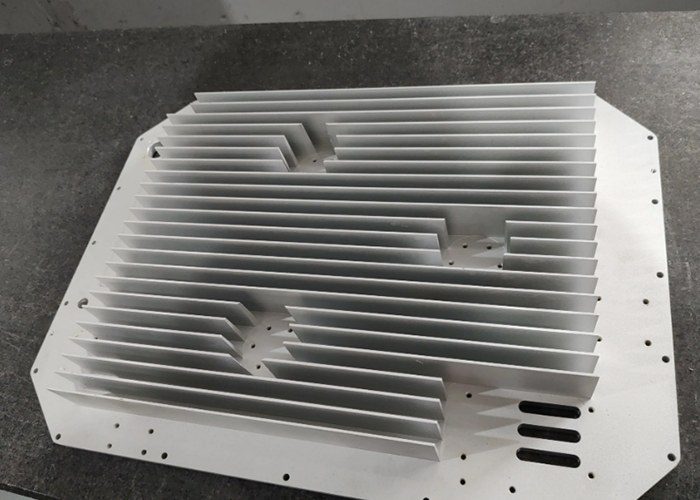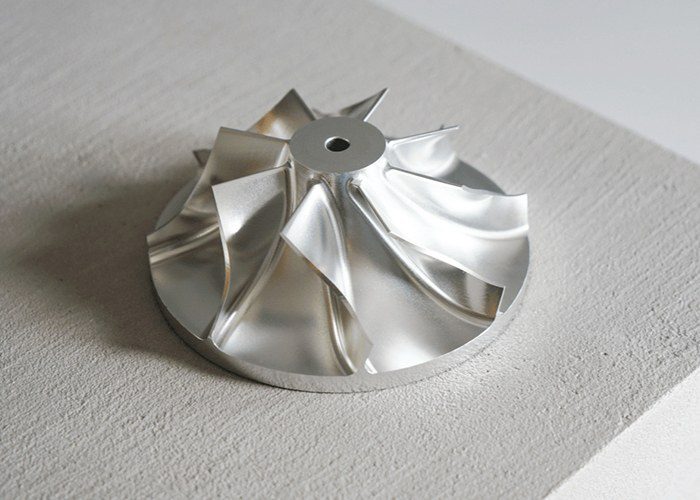
The global fleet of unmanned aerial vehicles (UAVs), commonly known as drones, is expanding at an unprecedented rate. From agricultural surveying and package delivery to cinematic filming and military reconnaissance, drones are performing tasks that were unimaginable just a decade ago. However, the difference between a shaky, inefficient drone and a high-performance reliable machine often lies in the components that are rarely seen: the accessories. At the heart of this manufacturing revolution lies CNC (Computer Numerical Control) machining—a technology that provides the precision, durability, and lightweight characteristics required for modern flight.
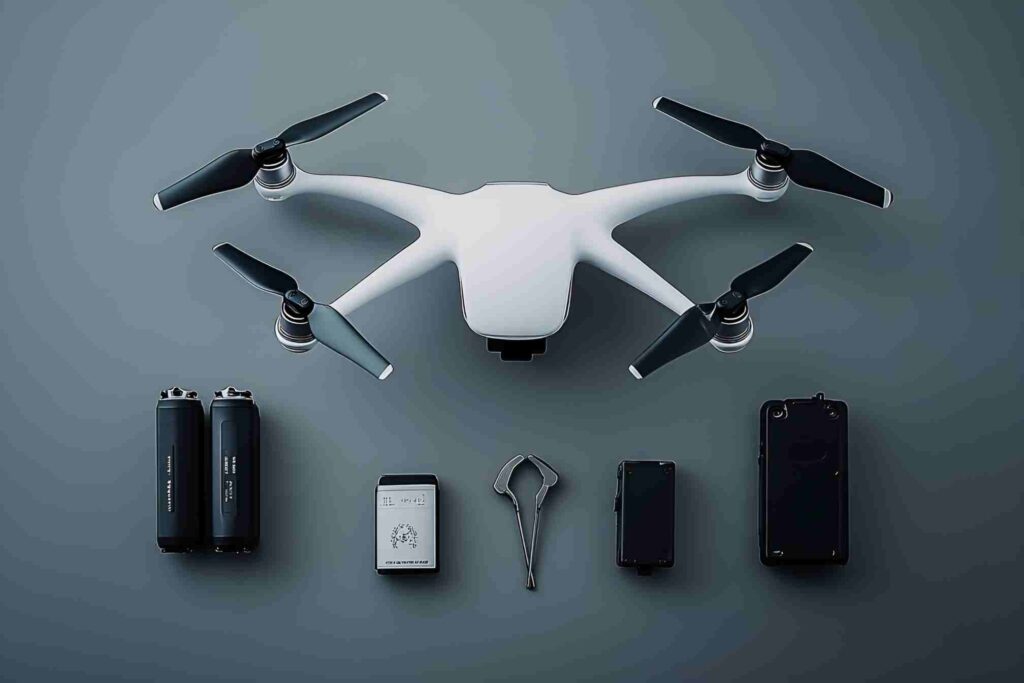
The Imperative of Weight and Strength
In the world of UAVs, every gram counts. It is widely estimated that for every gram of weight reduced, a drone can gain approximately three minutes of flight time. This reality drives the need for advanced materials and the precision processes to shape them. CNC machining excels in this area by offering unparalleled compatibility with high-performance materials.
Manufacturers primarily rely on three categories of materials for drone accessories. Aerospace-grade aluminum (such as 6061-T6 or 7075-T6) offers an excellent balance of strength, weight, and corrosion resistance, making it ideal for frames and landing gear. For components subjected to extreme stress—such as motor mounts or folding mechanisms—titanium alloy is often the material of choice due to its superior tensile strength. Finally, carbon fiber reinforced polymers are frequently machined on CNC routers to create lightweight yet incredibly stiff structural components like arms and propeller blades.
Key Components Born from Precision
CNC machining is not a one-size-fits-all process; it adapts to the specific needs of each drone subsystem. Here is how it enhances critical accessories:
Frames and Structural Arms
The frame is the skeleton of the drone. CNC machining allows for the creation of complex, skeletonized designs that remove excess material without compromising structural integrity. Using 5-axis CNC machines, manufacturers can create one-piece frames that eliminate weak points caused by assembly joints, achieving tolerances as tight as ±0.01 mm to ensure perfect alignment of motors and flight controllers.
Motor Mounts and Propellers
At the heart of every high-performance drone lies a precision-engineered propulsion system. Motor mounts require exacting flatness and hole placement to ensure the motor sits perfectly perpendicular to the arm. Misalignment here leads to vibration and inefficiency. Similarly, CNC-machined propellers, while more expensive than injection-molded alternatives, offer superior balance and aerodynamic efficiency. By following computational fluid dynamics (CFD) models, CNC routing can produce blades that minimize drag and maximize thrust.
Camera Gimbals
For surveyors and filmmakers, the camera gimbal is the most critical accessory. It must hold a camera securely while making micro-adjustments to counteract drone movement. The brackets and arms of these gimbals require tolerances as tight as ±0.005 mm to ensure smooth, jitter-free footage. Any slop in the linkage would translate directly into unstable video.
The Hybrid Manufacturing Trend
Looking at the current market, valued at over $2.5 billion in 2024 and projected to grow significantly, a distinct trend is emerging: hybrid manufacturing. Industry leaders are moving away from relying solely on subtractive methods. Instead, they are integrating Additive Manufacturing (3D printing) with CNC machining.
This combination offers the best of both worlds. Additive manufacturing can create complex, hollow internal structures or organic shapes that are impossible to mill. However, these parts often have rough surface finishes or poor tolerance on critical mating surfaces. CNC machining steps in to finish the job, machining precise mounting flanges, threaded holes, and smooth bearing surfaces onto the 3D-printed core. This allows for topology-optimized parts that are lighter and stronger than traditionally manufactured components.
Surface Finishing and Quality Assurance
The manufacturing process doesn’t cease when the machines fall silent. To survive in harsh environments, CNC-machined drone accessories undergo rigorous post-processing. Anodizing is a common treatment for aluminum parts, which increases corrosion resistance and allows for color coding, while also creating a harder surface layer. Furthermore, quality control is paramount. Each batch of accessories is inspected using Coordinate Measuring Machines (CMM) to guarantee strict adherence to aerospace-grade GD&T standards.
Conclusion
As the low-altitude economy expands, the demand for high-end drones will only increase, and with it, the need for superior accessories. CNC machining stands as the backbone of this industry, transforming blocks of aluminum, titanium, and composites into flight-ready components that are lightweight, durable, and precise. Whether enabling a logistics drone to carry a heavier payload or a racer to cut a cleaner line, the role of CNC in drone accessories is undeniable.