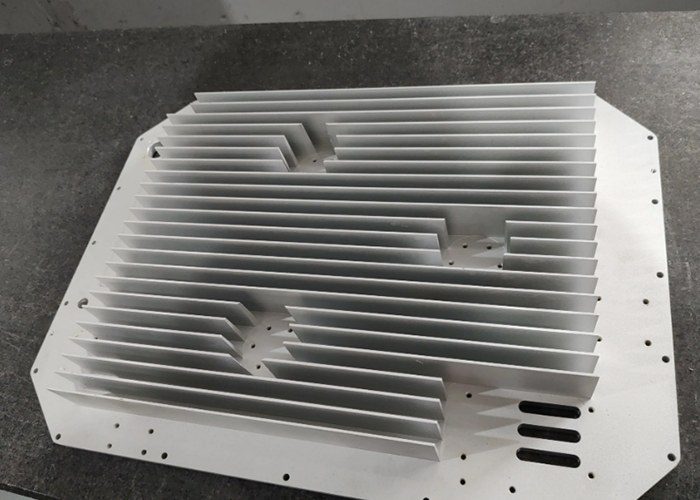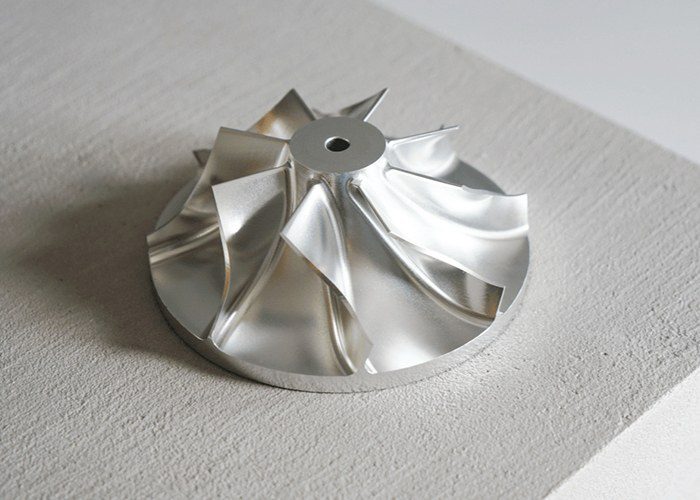
In the landscape of modern manufacturing, few technologies are as foundational as Computer Numerical Control (CNC) machining. Behind nearly every airplane that takes flight, every vehicle on the road, and every life-saving medical device lies the work of a specialized entity: the CNC machining parts manufacturer. These companies are the silent architects of the physical world, transforming digital blueprints into tangible, high-precision components that drive industrial progress.
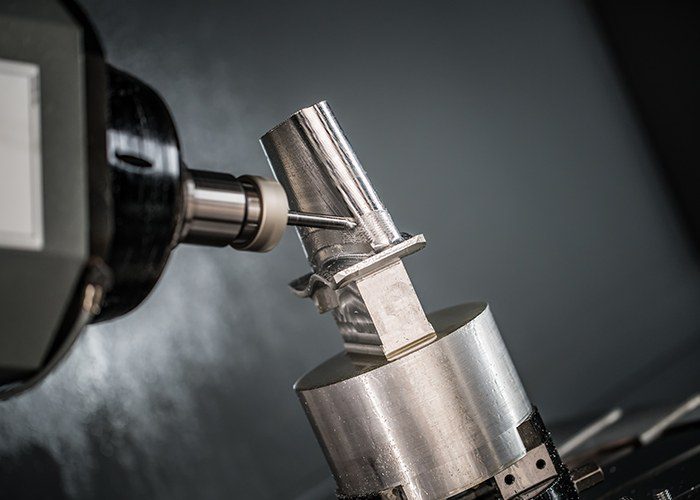
The Core Competency: Precision and Complexity
At its core, a CNC machining parts manufacturer utilizes computer-controlled machinery to subtract material from a solid block—whether metal or plastic—to create a specific part. Unlike traditional machining that requires manual levers and wheels, CNC machines follow pre-programmed software to dictate the movement of tools and machinery with incredible speed and accuracy.
What sets a professional manufacturer apart is its ability to hold tight tolerances. While standard machining might produce acceptable parts, precision CNC manufacturers routinely achieve tolerances as tight as ±0.0005 inches (or roughly ±0.013 mm) , with some specialized shops operating within the micron range—a fraction of the width of a human hair. For example, C&S Machine Products, a premier American machine shop, routinely maintains grinding tolerances of 0.00005 inches (1.25 microns). They specialize in the “tough stuff” that other manufacturers can’t handle.
Key Capabilities and Technologies
To meet the demands of industries like aerospace, automotive, and robotics, a modern CNC machining parts manufacturer must invest in a diverse array of technologies:
- Multi-Axis Machining: While 3-axis machines are standard for simple prismatic parts, complex geometries require 4 and 5-axis CNC machining centers. These machines can approach a part from virtually any direction in a single setup, reducing production time by up to 60% while improving accuracy . Brands like Hermle (Germany) and Matsuura (Japan) are often found in top-tier facilities, ensuring they can handle intricate components for vacuum apparatus or aviation systems.
- Swiss-Type Machining: For small, elongated, and complex parts (common in medical and electronic devices), Swiss lathes are essential. These machines excel at producing parts with extreme precision by supporting the material close to the cutting tool.
- Supporting Services: A true full-service manufacturer does not just cut parts. They offer a turnkey solution that includes Design for Manufacturing (DFM) feedback, material sourcing (from aluminum and titanium to engineering plastics), surface finishing (anodizing, plating), and rigorous inspection .
Serving Critical Industries
The versatility of CNC machining allows manufacturers to serve a broad spectrum of industries, each with unique requirements:
- Aerospace: This sector demands zero-defect components. Manufacturers produce turbine blades, structural airframe parts, and hydraulic valves from tough materials like titanium and Inconel. Certification to standards like AS9100 is mandatory.
- Medical: The trend toward miniaturization in surgical tools and implants requires micron-level precision. Many medical components are so small they can be held in one hand, yet they require the highest levels of biocompatibility and surface finish.
- Energy and Electric Vehicles (EVs): The global shift toward sustainability is driving demand for large-scale precision parts. Some manufacturers now offer capabilities for parts up to 34 feet long for applications like wind turbine hubs and EV battery cooling plates. The EV sector alone is projected to account for 15-20% of precision machining demand by 2030.
The Quality Imperative
In the world of precision parts, quality is not an afterthought; it is a prerequisite. Leading manufacturers operate under stringent quality management systems, typically certified to ISO 9001:2015. They employ a rigorous inspection process involving advanced equipment like Coordinate Measuring Machines (CMM), 3D scanners, and optical projectors.
As one industry insider notes, achieving “zero defect” requires checking dimensions and surfaces throughout the production cycle—from incoming material inspection (IQC) to in-process and final inspection. This data-driven approach ensures that every batch, whether a prototype run of 25 pieces or a high-volume production of 10,000 units, meets the exact specifications of the client.
Challenges and the Future Outlook
Despite technological advancements, the industry faces significant headwinds. There is a critical shortage of skilled machinists and programmers, with an estimated 30% of the current workforce expected to retire within the next decade. To combat this, manufacturers are turning to automation, robotics, and “smart factories” (Industry 4.0) that utilize IoT-enabled devices for predictive maintenance and real-time monitoring.
Furthermore, supply chain volatility for raw materials like titanium and specialty steels requires manufacturers to maintain agile sourcing strategies.
Conclusion
A CNC machining parts manufacturer is much more than a metalworking shop; it is a high-tech partner in innovation. By combining engineering expertise with advanced machinery and stringent quality control, these companies empower industries to build safer airplanes, more efficient vehicles, and more reliable medical devices. As technology evolves toward smart factories and sustainable energy, the precision machinist will remain an indispensable link in the global supply chain, turning the digital dreams of designers into physical reality