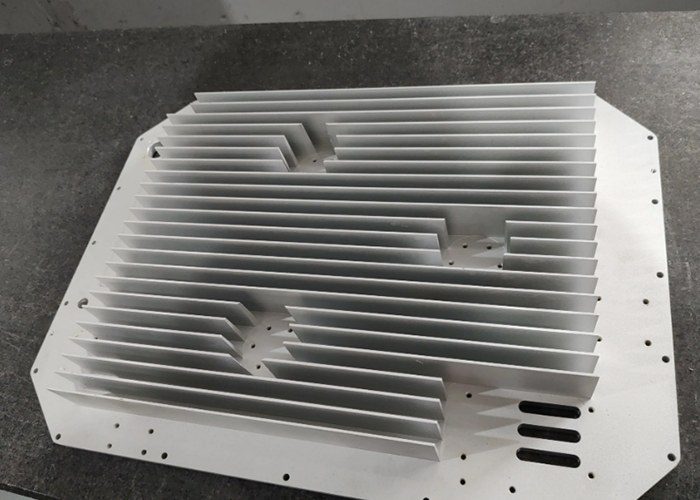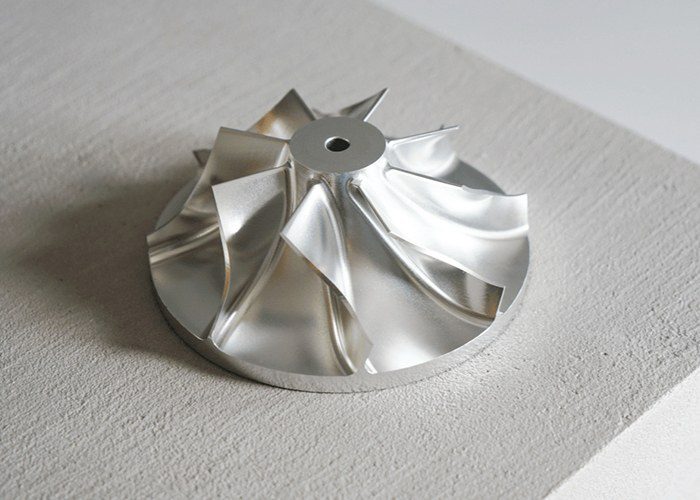
In an era defined by rapid technological evolution, the demand for components that are not just functional but perfectly tailored has never been greater. At the heart of this manufacturing revolution lies a process that has become the industry standard for precision and reliability: CNC Machining Customized Parts. As we move further into 2026, the ability to produce bespoke, high-tolerance components is not merely a value-add; it is a strategic necessity driving innovation across aerospace, medical technology, robotics, and beyond.
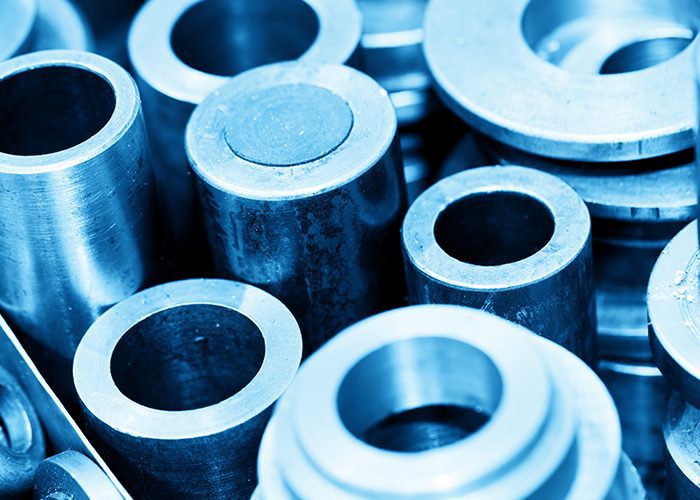
Defining the Custom CNC Advantage
CNC (Computerized Numerical Control) machining is a subtractive manufacturing process where pre-programmed software dictates the movement of factory tools and machinery. When we specify “customized parts,” we refer to components uniquely designed and manufactured to meet exact client specifications, as opposed to standardized, off-the-shelf items. This process allows for the creation of highly detailed parts from a solid block (billet) of material, offering unparalleled control over geometry, finish, and mechanical properties.
The core strength of custom CNC machining lies in its ability to deliver precision and durability. While additive manufacturing (3D printing) has gained traction for complex prototyping, CNC machining remains indispensable for high-load, functional components. For applications involving repetitive motion or tight tolerances—such as robotic joints or gear housings—the micron-level accuracy (often ±0.05 mm or tighter) achieved by CNC milling and turning is non-negotiable.
The Anatomy of Custom Production
Creating a custom part is a meticulous journey from concept to reality. It begins with a CAD (Computer-Aided Design) model, which serves as the digital blueprint. This file is translated into machine-readable code via CAM (Computer-Aided Manufacturing) software, dictating every tool path, spindle speed, and cutting angle.
One of the most significant technological leaps in this field is the integration of AI and automation. Modern ultramodern machines now feature AI-driven process planning and real-time deviation correction. This ensures that even the most complex geometries—such as intricate fluid passages in medical devices or fir tree patterns in jet engine disks—are produced with consistent accuracy. Furthermore, the rise of digital manufacturing workflows allows for “mass customization,” where factories can efficiently handle high-mix, low-volume runs without the prohibitive costs traditionally associated with bespoke production.
Material Versatility and Industry Applications
The value of customized machining is amplified by the vast array of materials it can handle. CNC machining is highly versatile, accommodating a broad spectrum of materials—from common metals like aluminum and stainless steel to high-performance alloys such as titanium and Inconel, as well as engineering plastics including PEEK and ABS—while precisely adapting to the specific thermal, mechanical, and chemical requirements of each part.
This versatility explains its dominance across critical sectors:
- Aerospace and Defense: Where every gram counts and parts must withstand extreme conditions. CNC machining delivers lightweight, high-strength components with the rigorous traceability and certification required by the industry.
- Medical Devices: Surgical tools and implants require biocompatible materials and surfaces free of contaminants. The precision of CNC machining ensures compliance with strict health standards.
- Robotics: As robots become more prevalent, the need for durable, high-precision frames, end-effectors, and joint brackets has surged. CNC machining provides the mechanical stability that 3D-printed polymers currently cannot match.
- Renewable Energy and Microelectronics: Emerging sectors demand complex small-batch production runs, often utilizing advanced composites and thermoplastics that require the flexible, precise nature of CNC processes.
Navigating the Economics: Prototyping to Production
A common misconception is that custom machining is only for prototyping. In reality, it plays a crucial role across the entire product lifecycle. For product validation and pilot runs, CNC machining allows for rapid iteration without the high upfront costs of hard tooling. As projects scale, the same digital files can drive production runs, ensuring that the parts used in final assembly are identical to the validated prototypes.
However, the economic landscape is shifting. Recent market analyses indicate that the custom machining solutions market is projected to grow from USD 32.15 billion in 2026 to USD 47.68 billion by 2032. This growth is partly fueled by geopolitical factors; tariffs and supply chain disruptions are pushing companies to re-evaluate total landed costs, favoring suppliers who can offer regional resilience and compliance discipline alongside manufacturing capability.
The Future of Customization
Looking ahead, the line between physical machining and digital intelligence will continue to blur. The implementation of digital twins, in-process metrology, and automated fixture design is reducing lead times and eliminating human error. For the buyer, this means instant quoting, automated design-for-manufacturability feedback, and transparent lead times.
In conclusion, “CNC Machining Customized Parts” represents far more than a manufacturing service; it is the enabler of modern engineering ambition. By offering a unique blend of precision, material flexibility, and scalability, custom CNC machining allows innovators to design without compromise, secure in the knowledge that their most intricate concepts can be realized with absolute fidelity. As industries continue to demand more from their components, the role of the custom CNC machined part will only grow more integral to the fabric of technological progress.