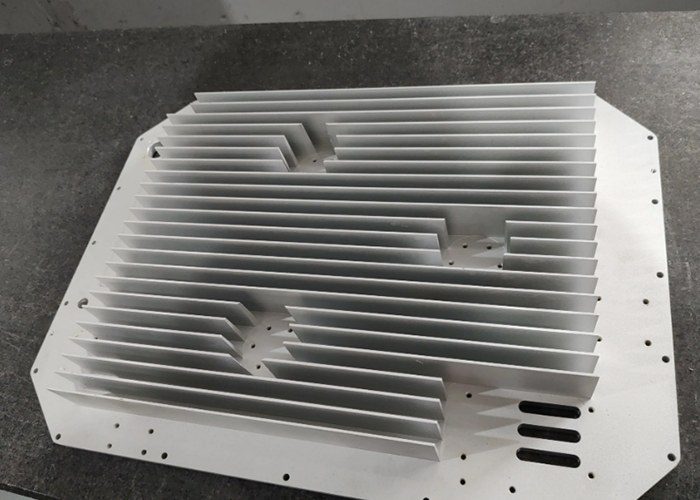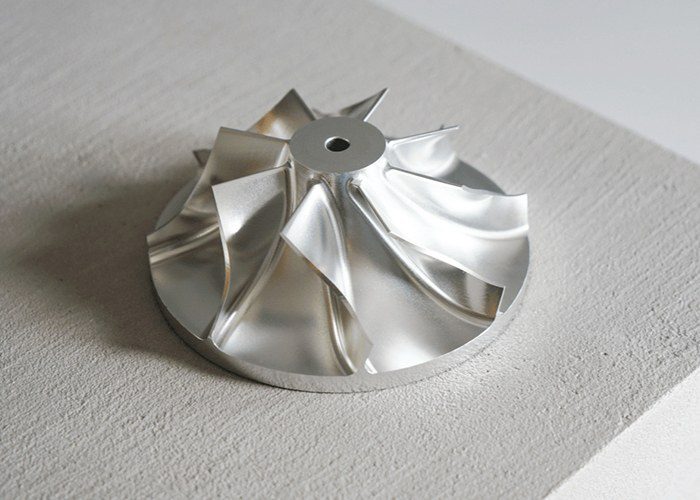
Metal processing parts are the fundamental building blocks of the modern world. From the engine in a vehicle and the frame of an aircraft to the surgical instruments in a hospital and the devices in a smart home, virtually every aspect of contemporary life relies on manufactured metal components. However, the journey from raw, mined ore to a finished, high-tolerance part is a complex one involving a diverse range of specialized processes. Understanding these methods is crucial for engineers, designers, and manufacturers aiming to create products that are functional, cost-effective, and durable.
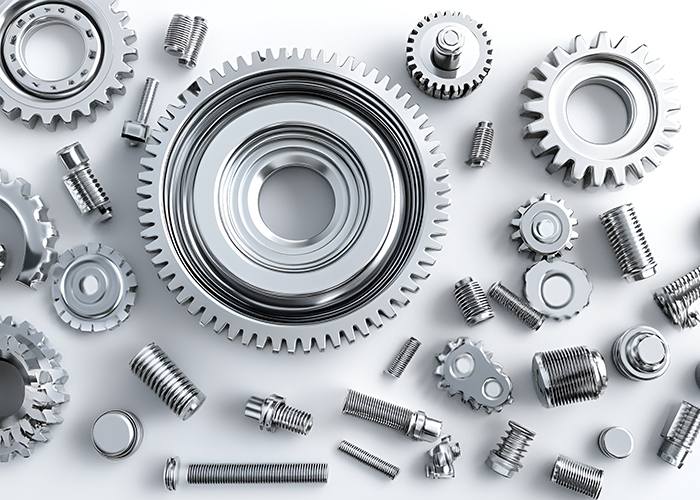
At its core, metal processing is the act of manipulating raw metal into a desired shape or form. This broad definition encompasses a spectrum of technologies, from ancient forging techniques to modern computer-controlled machining. The selection of the right process depends on several factors, including the type of metal, the complexity of the part’s geometry, the required precision, and the volume of production.
Broadly, the creation of metal processing parts can be categorized into four primary methodologies: subtractive processes, formative processes, additive processes, and specialized techniques like powder metallurgy.
Subtractive Manufacturing: Shaping by Removal
Subtractive manufacturing is perhaps the most familiar concept: starting with a solid block of metal and removing material to reveal the final part. The most advanced and prevalent form of this is CNC (Computer Numerical Control) machining. This technology uses pre-programmed software and code—typically G-Code—to dictate the movement of machinery and tools.
There are two main types of CNC machines. CNC mills use rotating multi-point cutting tools to remove material from a stationary workpiece, making them ideal for creating flat or irregularly shaped surfaces, slots, holes, and complex 3D shapes. Conversely, CNC lathes spin the workpiece at high speed against a stationary cutting tool, a process known as turning, which is perfect for producing cylindrical or concentric parts like shafts, bushings, and flanges. Modern machining centers often combine these capabilities with 5-axis technology, allowing for the creation of incredibly complex parts in a single setup, thereby increasing efficiency and precision.
Formative and Joining Processes: Molding and Assembly
While machining cuts away material, formative processes reshape it. Metal casting, one of the oldest manufacturing techniques, involves pouring molten metal into a mold cavity that matches the desired shape. Once the metal solidifies, the mold is removed. This method is highly versatile and cost-effective for producing complex geometries, especially in medium to high volumes. Variations like die casting use high pressure to force molten metal into steel molds, resulting in parts with excellent surface finish and dimensional accuracy.
Metal forming encompasses processes that deform metal without adding or removing material. Forging, for instance, uses compressive force—often delivered by a hammer or press—to shape heated metal. This process refines the grain structure of the metal, producing parts that are exceptionally strong and tough, making it ideal for critical components like connecting rods and gears. Extrusion is another formative process where a heated metal billet is pushed through a die to create long, continuous shapes with a fixed cross-section, such as rails, pipes, and window frames. For thinner materials, sheet metal fabrication involves cutting, bending, and stamping flat metal sheets into forms ranging from electronic enclosures to automobile body panels.
Additive Manufacturing and Powder Metallurgy: The Modern Frontier
The 21st century has seen the rise of additive manufacturing, or metal 3D printing. Unlike subtractive methods, additive processes build parts layer by layer from metal powder. Techniques like Powder Bed Fusion use a laser or electron beam to selectively melt and fuse layers of powder according to a digital 3D model. This method allows for the creation of complex internal geometries and lattice structures that are impossible to make with traditional methods, offering unprecedented design freedom.
Another advanced technique utilizing metal powder is Powder Metallurgy (PM) . This process involves compressing fine metal powders in a die at high pressure and then heating the compacted shape in a controlled atmosphere furnace—a process known as sintering—to fuse the particles together metallurgically. Powder metallurgy is a highly efficient “near-net-shape” process, meaning it produces parts that require very little secondary machining, resulting in minimal material waste. This makes it extremely cost-effective for producing small, intricate, high-volume parts like gears, sprockets, and self-lubricating bearings.
Material Selection and Applications
The performance of a metal processing part is intrinsically linked to its material. Common materials range from ferrous metals like carbon steel, stainless steel (such as 304 and 316L), and alloy steels to non-ferrous metals like aluminum (6061, 7075), copper, brass, and titanium. Specialty alloys like Inconel or 17-4 PH stainless steel are selected for high-stress applications in aerospace and chemical processing due to their strength and corrosion resistance at extreme temperatures. The choice of material dictates which processes can be used and determines the final part’s properties, including strength, ductility, hardness, and conductivity.
Conclusion
The field of metal processing parts is a dynamic interplay of traditional craftsmanship and cutting-edge technology. Whether utilizing the precision of CNC machining, the strength of forging, the efficiency of powder metallurgy, or the design freedom of 3D printing, modern manufacturing offers a solution for nearly every engineering challenge. As industries like automotive, aerospace, and medical devices continue to demand lighter, stronger, and more complex components, the evolution of metal processing technologies will undoubtedly remain at the heart of industrial innovation.