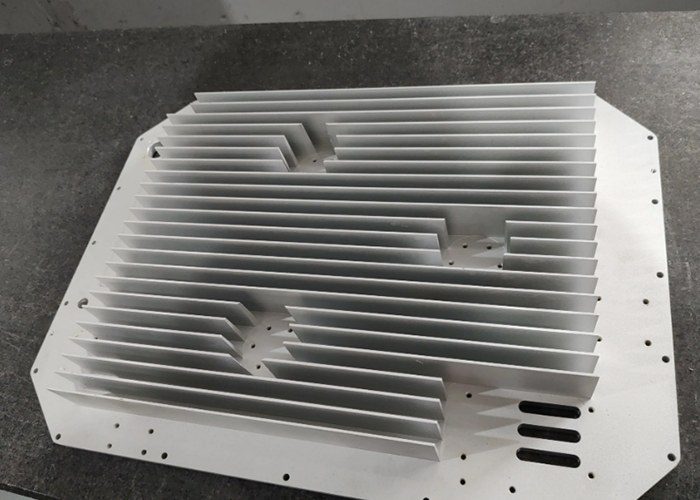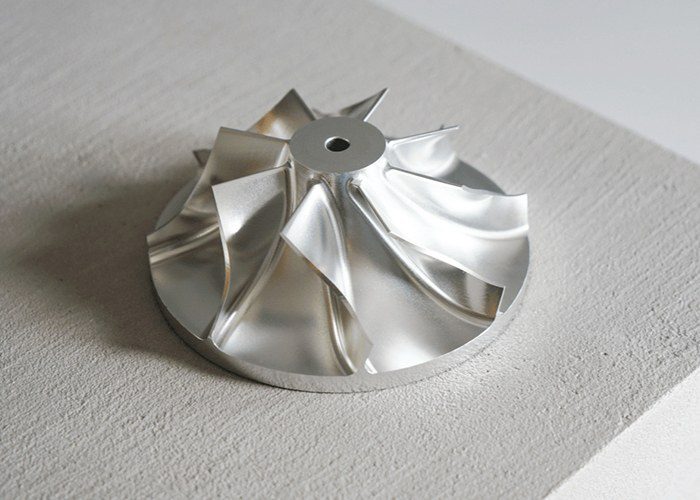
In the landscape of modern manufacturing, few processes have reshaped industrial production as profoundly as CNC machining. When combined with steel—one of the most durable and versatile engineering materials—computer numerical control (CNC) technology unlocks extraordinary capabilities for creating custom parts that power everything from automobiles to aerospace systems. CNC machining custom steel parts represents the intersection of digital precision and material strength, offering manufacturers the ability to produce components with tolerances measured in hundredths of a millimeter while maintaining the mechanical integrity that steel is renowned for.
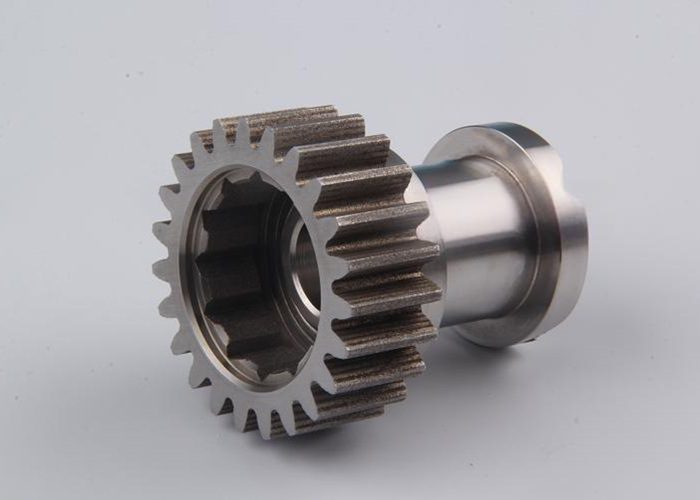
The Foundation: Understanding CNC Machining for Steel
CNC machining is a subtractive manufacturing technology that produces high-accuracy parts directly from computer-aided design (CAD) files. For steel components, this process uses computer-controlled cutting tools to cut, shape, and refine raw steel materials with incredible precision. The journey from a digital model to a finished steel part begins with programming—operators use computer-aided manufacturing (CAM) software to generate G-code, the programming language that instructs the machine on tool movements, cutting speeds, feed rates, and depth of cut. This digital-to-physical workflow eliminates the inconsistencies of manual machining and ensures that every part produced matches the design specifications with exceptional fidelity.
Core Machining Processes for Steel Parts
The production of custom steel parts typically involves several key CNC processes, each suited to different geometries and requirements. CNC milling, perhaps the most recognizable process, uses multi-axis rotating cutters to shape complex steel parts by removing material layer by layer. This method is ideal for components such as engine brackets, gear housings, hydraulic blocks, and molds, typically achieving accuracies of ±0.02–0.05 mm. CNC turning, the foundation of cylindrical steel part production, involves rotating the workpiece on a lathe while a stationary cutting tool removes material. This process excels at producing shafts, pins, bushings, couplings, and threaded components with tolerances as tight as ±0.01 mm.
Beyond milling and turning, steel CNC machining encompasses drilling, tapping, boring, and grinding. Drilling and tapping create precise holes and internal threads for bolt holes, threaded fittings, and alignment pins. Boring enlarges pre-drilled holes to achieve tight internal diameters and alignment, while grinding refines surface texture and precision beyond typical machining limits, achieving surface roughness as fine as Ra 0.2–0.8 μm. For the most demanding applications, electrical discharge machining (EDM) can produce thin walls, deep cavities, and sharp edges through a non-contact process that avoids cutting force and deformation.
The Steel Advantage: Material Selection Matters
Steel is not a single material but a family of alloys with dramatically different properties. The choice of steel grade significantly impacts machinability, final part performance, and production cost. Stainless steel grades such as 304 and 316 offer excellent corrosion resistance and are widely used in medical devices, food processing equipment, and marine applications. Alloy steels like 4140 provide higher hardness, greater stiffness, and thermal resistance, making them ideal for heavy machinery components and high-stress applications. Low-carbon steels such as 1018 and 1020 offer excellent weldability and cost efficiency for general-purpose components.. Tool steels are chosen when applications demand exceptional wear resistance and dimensional stability. As one engineering guide notes, “treating all steels as equivalent is a major source of machining failures”—the differences between low-carbon steel and hardened tool steel are so significant that they demand entirely different tooling, feeds, and cooling strategies.
Applications Across Industries
The versatility of custom CNC-machined steel parts has made them indispensable across virtually every industrial sector. In the automotive industry, CNC-machined steel components include engine parts, transmission elements, drive shafts, and suspension components that must withstand extreme loads and cyclic stresses. Aerospace applications demand the highest precision—brackets, housings, structural components, and fasteners machined from steel alloys must meet stringent safety and performance standards. The robotics and automation sector relies on precision-machined steel parts for actuator housings, gear systems, and structural frames that require both strength and dimensional accuracy. Industrial machinery, hydraulic systems, energy equipment, and medical devices all depend on custom steel components manufactured to exacting specifications. Even in prototyping, CNC machining remains one of the most cost-effective methods for producing metal parts, from single prototypes to production runs of hundreds of units.
Precision, Consistency, and Economic Value
The advantages of CNC machining for custom steel parts are compelling. Modern CNC machines achieve tolerances as tight as ±0.05 mm or better, ensuring that parts fit together perfectly and function as designed. This precision reduces part rejection rates by eliminating dimensional variations that cause assembly interference or functional failures. Enhanced surface finishes often eliminate the need for secondary operations such as grinding or polishing, reducing production time and costs. CNC machining is also capable of producing large quantities of parts according to exact specifications with great uniformity, making it ideal for both prototyping and high-volume production runs.
From a manufacturing efficiency perspective, CNC machining requires fewer operators than conventional methods, as most of the process is automated. This automation not only reduces labor costs but also enhances workplace safety by minimizing human exposure to cutting operations. The digital nature of CNC production also enables rapid design iterations—engineers can modify CAD files and produce updated parts without the need for new tooling or extensive setup changes.
Conclusion
CNC machining custom steel parts has established itself as a cornerstone of modern manufacturing. By combining the digital precision of computer-controlled machinery with the unmatched mechanical properties of steel, this technology enables the production of components that are simultaneously strong, accurate, and reliable. As industries continue to demand higher performance, tighter tolerances, and more complex geometries, the role of CNC-machined steel parts will only grow. Whether for a single prototype or a high-volume production run, custom CNC steel machining delivers the precision, consistency, and strength that power the world’s most critical technologies—from the vehicles we drive to the aircraft that connect our planet.