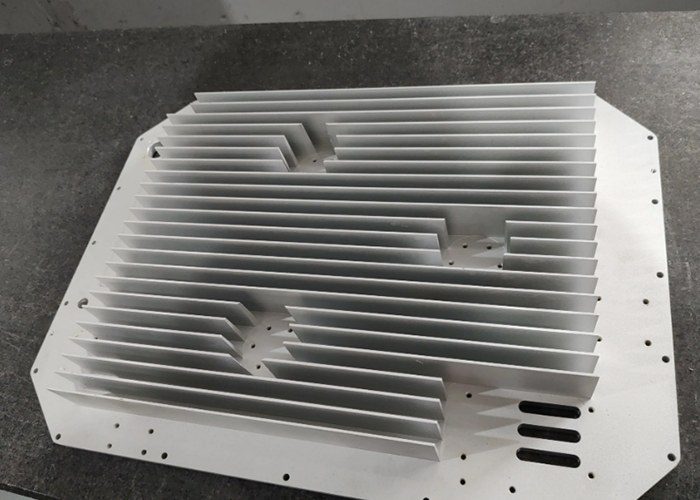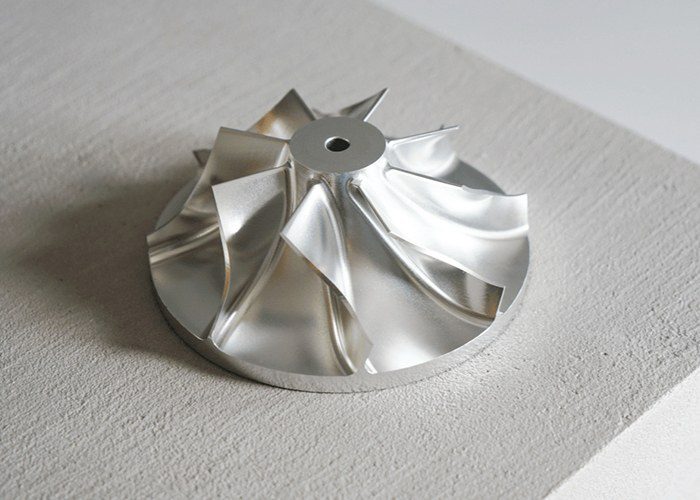
In the evolving landscape of modern architecture and construction, the gap between digital design and physical reality has never been narrower. At the heart of this transformation lies Computer Numerical Control (CNC) machining—a manufacturing process that has fundamentally changed how construction components are designed, prototyped, and produced. From intricate façade panels to heavy-duty machinery components, CNC machining for construction parts represents the intersection of precision engineering and architectural ambition.
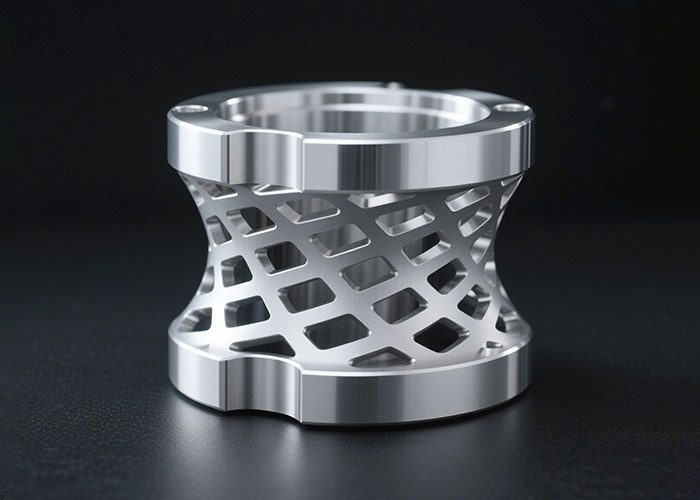
The Precision Imperative in Construction
Construction has historically been viewed as a field where millimetre-level accuracy was desirable but not always achievable. Traditional methods relied heavily on skilled labour, manual measurements, and on-site adjustments—a process that inevitably introduced errors, rework, and material waste. CNC machining has rewritten this narrative entirely.
Modern CNC systems operate within tolerance bands that were unimaginable a generation ago. For wood and veneered panels, tolerances of ±0.25–0.50 mm are routinely achievable. Plastics such as acrylic and polycarbonate can hold ±0.10–0.25 mm, while aluminium and steel components regularly meet ±0.05–0.20 mm specifications with appropriate tooling and fixturing. These precision bands might seem excessive in an industry accustomed to working with concrete and timber, but their impact is profound.
When construction components arrive on-site with guaranteed dimensional accuracy, the entire assembly process transforms. Panel alignment becomes consistent, gasket compression in façades performs as designed, and joinery at stairs and casework fits without field modification. Installers spend less time shimming and adjusting, and more time completing the installation correctly. For concrete construction, CNC-cut formwork—whether plywood, MDF, foam, or plastic liners—produces smooth pours and accurate curvature, minimising the grinding and patching that traditionally consumed significant labour hours.
Materials Engineered for Performance
The material palette available for CNC-machined construction parts has expanded dramatically, reflecting the diverse demands of contemporary building projects. Each material brings specific properties that make it suitable for particular applications, and CNC technology has evolved to handle them all with equal facility.
Aluminium alloys, particularly 6061 and 7075, have become staples in construction component manufacturing. Their high strength-to-weight ratio, corrosion resistance, and excellent machinability make them ideal for everything from window frames and curtain wall supports to lightweight structural connections. When building envelopes demand durability without excessive dead load, aluminium delivers.
For heavy-duty applications, steel remains indispensable. Carbon steels like C45 and alloy steels such as 42CrMo4 provide the tensile strength and wear resistance required for structural connections, hydraulic components, and high-load bearing elements. After heat treatment, these materials routinely achieve hardness values of 45–55 HRC, ensuring longevity in demanding environments. Stainless steels—304, 316, and 420 grades—add corrosion resistance to the equation, making them the materials of choice for exposed architectural elements and marine-adjacent construction.
The construction industry has also embraced engineered polymers and composites. Materials like Delrin and PEEK offer wear resistance, low friction coefficients, and corrosion resistance in applications where metal would suffer from chemical exposure or require lubrication. These materials are increasingly specified for bearing surfaces, rollers, and components requiring both durability and light weight.
From Façades to Foundations: Applications Across the Building Envelope
The versatility of CNC machining manifests in the extraordinary range of construction components now produced through this method. In contemporary architecture, CNC technology supports everything from initial concept models to final installation.
Exterior systems represent one of the most visible applications. Façade panels, rainscreen subframes, louvers, shading devices, and custom planters all benefit from CNC precision. When parametric design models feed directly into CAM software, architects can tune spacing, perforation patterns, and edge conditions to meet specific performance goals for acoustics, daylight penetration, and ventilation. The result is buildings that perform as intended while realising the designer’s aesthetic vision.
Interior fit-out has been equally transformed. Millwork and casework, wall and ceiling panels, acoustic baffles, decorative screens, staircases, reception desks, and feature lighting components now arrive on-site kitted, labelled, and ready for installation. This off-site prefabrication approach shortens construction schedules dramatically while improving quality control. Components are produced in controlled environments, inspected before shipping, and installed with minimal on-site adjustment.
Structural and heavy construction applications demonstrate the scalability of CNC technology. Excavator pins, hydraulic cylinder rods, gears, crankshafts, digger arm connections, and bearing housings are all produced with the same precision as architectural details, albeit with different material considerations. These components must withstand extreme loads, abrasive conditions, and continuous operation—requirements that demand both material science expertise and manufacturing precision.
For large-scale architectural installations, CNC plasma cutting has emerged as a game-changer. Public spaces and buildings increasingly incorporate bold metal elements—sculptural gates, layered steel façades, complex structural connections—that would be impractical to produce manually. Plasma systems guided by CNC software deliver accurate, repeatable cuts across multiple panels, ensuring that even massive installations maintain design intent.
The Economic Case: Cost, Waste, and Value
The adoption of CNC machining in construction is not merely a story of technical capability; it is fundamentally an economic argument. Construction projects operate within tight budgets and tighter timelines, and any technology that improves predictability while reducing costs commands attention.
CNC machining reduces project costs through multiple mechanisms. Automated toolpaths, high spindle speeds, and parallel processing compress fabrication timelines dramatically. A CNC router operating at 7,000–18,000 rpm processes sheet materials rapidly while drilling cycles handle fixture holes and hardware patterns in a single setup. The same CAM program runs repeatedly, producing large batches for modular interiors and façades with minimal touch labour.
Material efficiency represents another significant economic advantage. Precise nesting algorithms optimise sheet yield, while accurate kerf control minimises scrap. Offcuts can be catalogued for reuse in smaller components or future prototypes. When combined with recycled or low-impact materials—recycled aluminium façades, FSC-certified plywood—these efficiencies translate directly into lower material costs and improved sustainability metrics.
The hidden cost in construction has always been rework. Components that don’t fit require field modification, which consumes labour, delays subsequent trades, and often compromises quality. CNC-machined parts fit correctly the first time, eliminating the ripple effects of on-site improvisation. As one industry observer notes, choosing a lower-cost part may feel like a win on paper, but when that part causes downtime, delays, or field failures, the true cost becomes painfully clear.
The Future: Integration and Innovation
Looking ahead, CNC machining in construction continues to evolve. The integration of additive and subtractive processes—exemplified by projects like The Canopy, which combines 3D concrete printing with CNC milling—points toward a future where digital models translate directly into finished components with minimal intermediate steps. Hybrid approaches allow for highly accurate, architectural-scale components that integrate functional features such as electrical conduits and rainwater collection channels without additional materials or processes.
The BIM-to-CAM pipeline grows cleaner and more efficient as architects and engineers export CAD files directly to fabrication. STEP, STL, and DXF formats flow seamlessly into CAM software, enabling distributed factories to cut identical parts thousands of miles apart. This geographic flexibility supports global projects while maintaining local responsiveness.
For construction firms, the message is clear: CNC machining is no longer a specialised capability reserved for high-budget projects. It is a mainstream manufacturing technology that delivers precision, efficiency, and design freedom across the entire spectrum of construction activity. As pressure mounts for faster builds, tighter budgets, and higher quality, CNC-machined construction parts will increasingly become the rule rather than the exception.