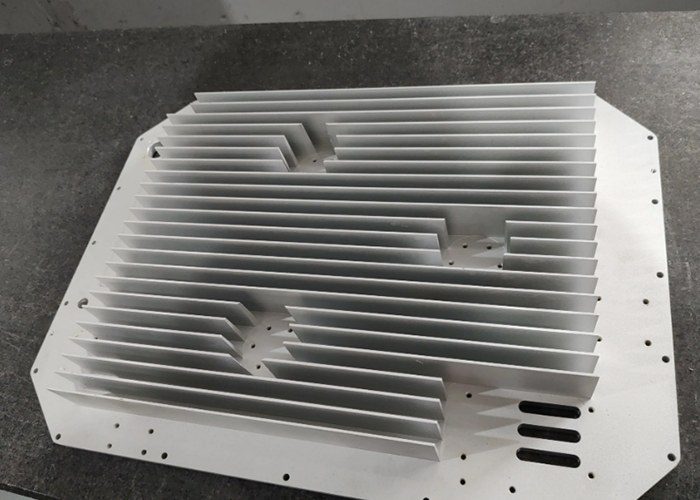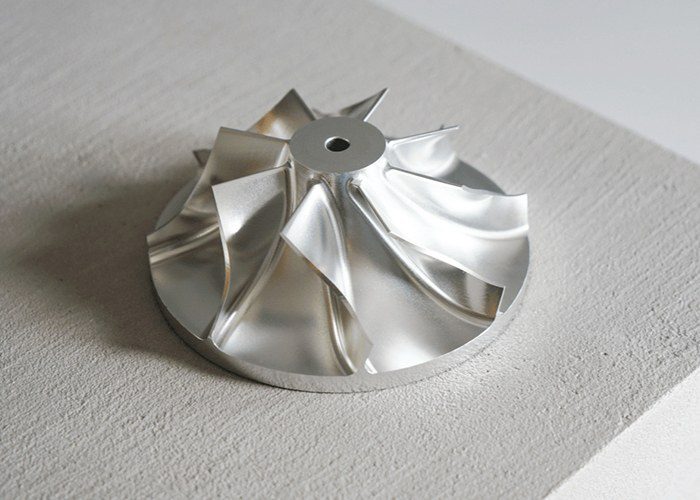
In the vast ecosystem of modern manufacturing, few material-process pairings are as fundamental as carbon steel and computer numerical control (CNC) machining. Carbon steel, an alloy of iron and carbon, stands as one of the most widely used engineering materials due to its exceptional strength, versatility, and cost-effectiveness. When paired with the precision of CNC machining, it enables the production of durable, high-performance components that serve as the backbone for industries ranging from automotive and construction to energy and heavy machinery. This article explores the intricacies of CNC machining carbon steel parts, delving into the material’s properties, the machining processes involved, its key applications, and the challenges manufacturers must overcome to achieve optimal results.
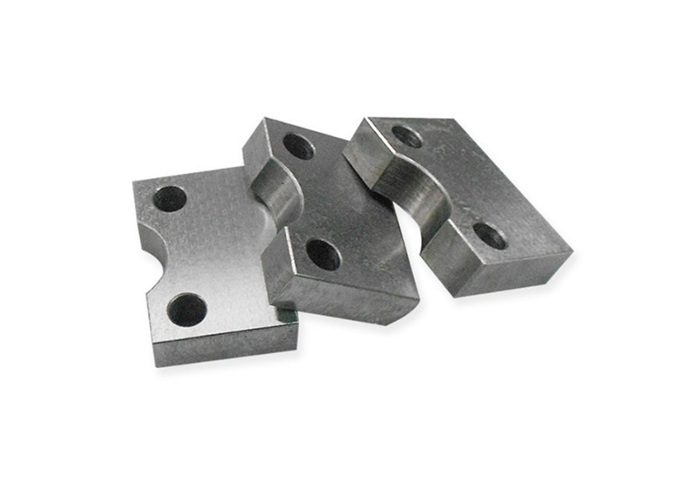
Understanding Carbon Steel: A Spectrum of Grades
Carbon steel is fundamentally an iron-carbon alloy, with carbon content ranging from as low as 0.0218% to as high as 2.11%. This carbon content is the primary determinant of the material’s mechanical properties and, consequently, its machinability. The material is typically classified into three main categories.
Low-carbon steel (containing less than 0.25% carbon) is soft, ductile, and highly formable. Grades like 1018 and A36 are excellent for welding and cold-working applications, making them ideal for structural components, brackets, and sheet metal parts. However, their ductility can present challenges in automated machining, as they tend to produce long, stringy chips that are difficult to break.
Medium-carbon steel (0.25% to 0.60% carbon) offers a balanced combination of strength and machinability. Grade 1045 is a prime example, widely used for shafts, gears, and automotive components that require moderate hardness and good impact resistance. High-carbon steel (exceeding 0.60% carbon) is characterized by its exceptional hardness and wear resistance. While it is ideal for cutting tools, dies, and springs, its abrasiveness poses significant challenges to cutting tools, leading to rapid wear.
The CNC Machining Processes for Carbon Steel
Through controlled material removal, CNC machining carves workpieces into their final shapes and exact dimensions. For carbon steel parts, two primary processes dominate: CNC milling and CNC turning.
CNC milling utilizes rotating multi-point cutting tools to remove material from a stationary workpiece, enabling the creation of complex geometries and intricate shapes. This process is ideal for producing structural components, machinery parts, and custom tooling with high precision, often achieving tolerances as tight as ±0.005 mm. CNC turning, on the other hand, involves rotating the workpiece against a stationary single-point cutting tool. This method excels at producing cylindrical workpieces, particularly shafts, pins, bushings, and connectors. Advanced CNC turning centers can perform a variety of operations, including external diameter turning, facing, internal hole machining, threading, and complex contour processing.
Key Advantages of CNC Machining Carbon Steel
The integration of CNC technology with carbon steel offers manufacturers a host of compelling advantages. First and foremost is precision. CNC machines can consistently produce parts with extremely tight tolerances, often within +/- 0.0002 inches, ensuring that components fit and function as intended. Secondly, CNC machining significantly reduces manual operation errors and improves batch-to-batch production consistency. Once a program is perfected, the machine can reproduce identical parts thousands of times with minimal variation. Thirdly, the automation inherent in CNC machining decreases manufacturing costs and improves production speed over the long term, particularly for high-volume runs.
Diverse Industrial Applications
The ubiquity of carbon steel CNC machined parts is a testament to the material’s versatility. In the automotive industry, CNC machining is essential for producing engine components, transmission parts, axles, crankshafts, and steering knuckles. The construction sector relies on machined carbon steel for structural beams, bridge components, and heavy-duty fasteners. In the energy sector, carbon steel parts are used in industrial equipment and power transmission systems. Even in the medical and defense fields, CNC-machined carbon steel finds applications where high strength and reliability are paramount.
Challenges and Best Practices
Despite its favorable properties, CNC machining carbon steel is not without its challenges. The material’s hardness and low thermal conductivity can lead to increased cutting forces, elevated cutting temperatures, and accelerated tool wear. Common issues include tool chipping, excessive flank wear, and galling (material adhesion to the tool).
To mitigate these challenges, manufacturers must adopt strategic best practices. Selecting the right cutting tool is paramount; carbide tools with appropriate coatings are often necessary to withstand the abrasive nature of high-carbon steels. Optimizing cutting parameters—such as spindle speed, feed rate, and depth of cut—is critical for managing heat generation and prolonging tool life. Effective management of heat through the use of appropriate cutting fluids and coolants is also essential. Furthermore, understanding the specific grade of carbon steel being machined allows for the tailoring of machining strategies to balance productivity with part quality and tool longevity.
Conclusion
CNC machining carbon steel parts is a cornerstone of modern industrial production. The synergy between carbon steel’s robust mechanical properties and the precision, repeatability, and efficiency of CNC machining enables the creation of components that are essential to our daily lives and critical industries. By understanding the nuances of different carbon steel grades, selecting the appropriate machining processes, and adhering to best practices to overcome inherent challenges, manufacturers can continue to push the boundaries of what is possible, delivering high-quality, durable parts that meet the ever-increasing demands of the global market.