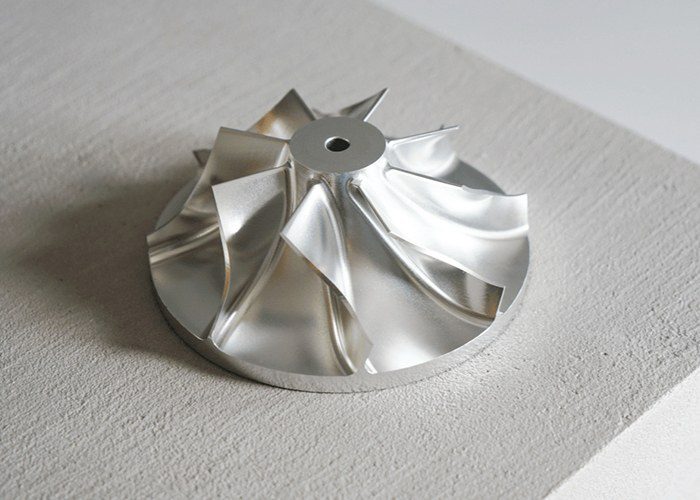
In the modern cycling industry, performance, weight, and reliability are paramount. Whether for a professional road racer, a mountain biker tackling rugged trails, or an urban commuter, every component on a bicycle must function with near-flawless precision. One manufacturing technology that has quietly revolutionized how bicycle parts are made is CNC machining. Computer Numerical Control (CNC) machining—a subtractive process where computer-controlled tools remove material from a solid block—has become indispensable for producing high-end, custom, and aftermarket bicycle components. From drivetrain components to brake systems and suspension parts, CNC machining delivers accuracy, consistency, and design freedom that traditional casting or forging simply cannot match.
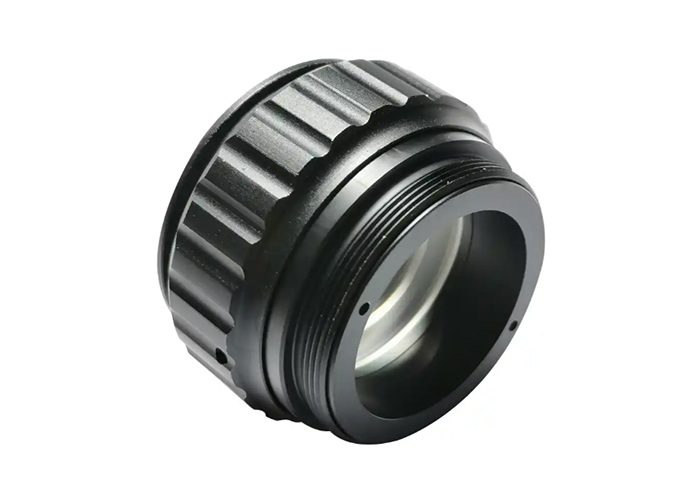
One of the most compelling advantages of CNC machining for bicycle parts is its exceptional precision. A bicycle’s performance hinges on tight tolerances: bottom bracket shells must align perfectly with the frame’s centerline; disc brake calipers need parallel mounting surfaces to avoid rotor rub; derailleur hangers demand exact alignment for crisp shifting. CNC machines routinely achieve tolerances of ±0.01 mm or finer, ensuring that every part fits and functions exactly as engineered. This level of accuracy translates directly into smoother gear changes, more effective braking, and longer bearing life. For example, a CNC-machined cassette body has splines cut to exact specifications, eliminating the play that can cause premature wear on freehub mechanisms.
Another critical benefit is the ability to create complex, lightweight geometries. Bicycle parts are constantly being redesigned to shed grams while maintaining strength. CNC milling allows engineers to integrate intricate lattice structures, scalloped cutouts, and variable wall thicknesses—features that are impossible with casting or forging. A classic example is the bicycle chainring. High-end aftermarket chainrings from brands like Wolf Tooth or Absolute Black are fully CNC-machined from 7075-T6 aluminum, with profiled teeth that improve chain retention and ramps that facilitate faster shifting. Similarly, CNC-machined pedal bodies can be hollowed out internally or cut with traction slots and pins, reducing weight without compromising rigidity. Even suspension linkages on full-suspension mountain bikes often start as solid billet aluminum or titanium before CNC machines carve away everything except what is structurally necessary.
Material versatility further underscores the value of CNC machining in bicycle part production. Common materials include 6061 and 7075 aluminum alloys, known for their excellent strength-to-weight ratios and machinability. Titanium (grades 2, 5, or 9) is another favorite for high-end stems, axles, and bolts, thanks to its corrosion resistance and fatigue strength. Stainless steel is used for durable gear clusters and bearing races, while engineering plastics like Delrin or nylon can be machined for pulley wheels and chain guides. Unlike molding or casting, which require expensive tooling for each new material or design change, CNC machining can switch between materials with only a change of cutting tools and parameters. This flexibility is a boon for small-batch manufacturers and custom frame builders.
CNC machining also excels at producing low-volume and custom parts—an increasingly important market segment. While mass-produced bicycle components are often forged or extruded and then finish-machined, boutique brands and one-off custom builds rely on full CNC machining. A custom headset spacer engraved with a rider’s name, a one-of-a-kind handlebar stem for a disabled cyclist, or a run of fifty limited-edition crank arms—all are economically viable with CNC technology. Because no dedicated molds or dies are needed, a designer can upload a revised CAD file to the machine and produce an updated part the same day. This agility accelerates prototyping and allows for iterative testing that would bankrupt a company relying on traditional tooling.
However, CNC machining is not without its challenges. The process is inherently wasteful, as the majority of the starting billet is turned into chips. For expensive materials like titanium, this scrap can be costly. Also, CNC machining is slower than forging or die-casting for high volumes. A forged aluminum crank arm might take seconds per piece once the die is made, whereas a fully CNC-machined crank arm could require several minutes of cutting time per part. Consequently, most mid-range and budget bicycle components rely on a hybrid approach: near-net shapes are forged or cast, then CNC-machined on critical surfaces (threads, bearing bores, mounting faces). Pure CNC machining is reserved for premium, performance-oriented, or low-volume products where cost is secondary to quality and weight reduction.
Looking ahead, CNC machining will continue to evolve alongside additive manufacturing (3D printing) and advanced simulation software. Five-axis CNC mills are now common in high-end bicycle part production, allowing complex undercuts and curved surfaces to be machined in a single setup, improving accuracy and surface finish. Real-time toolpath optimization and adaptive clearing have reduced machining times and material waste significantly. Hybrid machines that combine CNC milling with laser sintering or direct energy deposition are on the horizon, enabling parts to be additively built near-net and then finish-machined to exact tolerances.
In conclusion, CNC machining has become the backbone of precision bicycle component manufacturing. It bridges the gap between digital design and physical reality, giving engineers and cyclists parts that are lighter, stronger, and more reliable than ever before. From the chainring that silently shifts under load to the brake caliper that modulates perfectly on a alpine descent, CNC-machined bicycle parts represent the pinnacle of performance. As cycling demands continue to rise—toward lighter e-bikes, more robust gravel rigs, and faster aero road machines—CNC machining will remain an essential tool for those who refuse to compromise on quality. Whether you are a weekend cyclist upgrading a single component or a factory producing championship-winning frames, the precision revolution powered by CNC machining is here to stay.