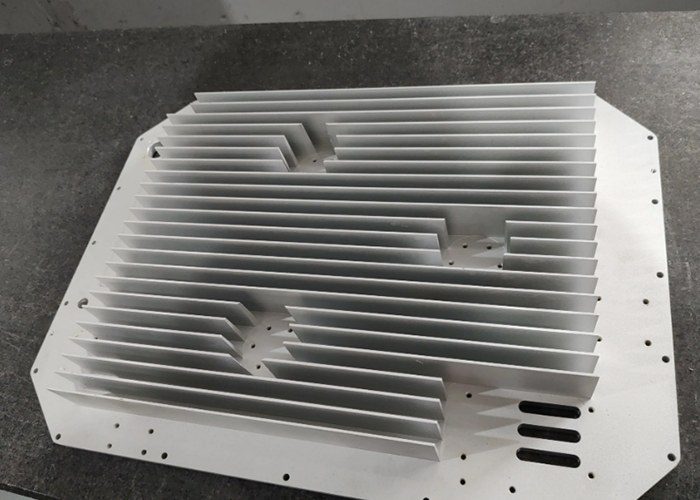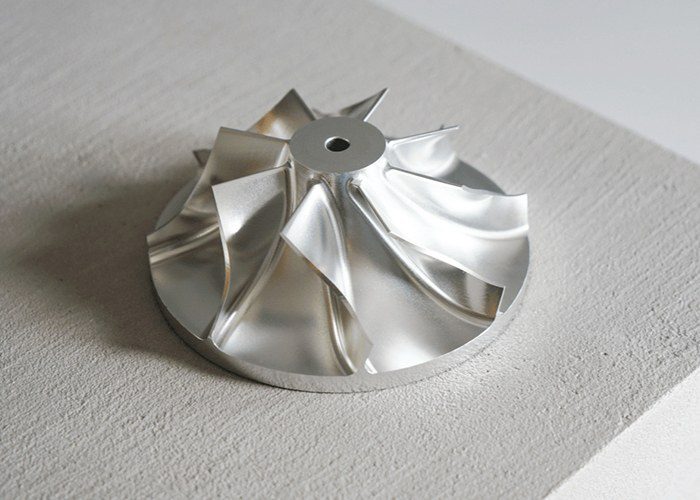
In the vast ecosystem of modern manufacturing, few processes are as ubiquitous or as critical as the creation of machined steel components. From the engine block of a high-performance sports car to the intricate gears inside an industrial robot, CNC machined steel parts form the structural and functional backbone of countless industries. The marriage of Computer Numerical Control (CNC) technology with one of the world’s most versatile materials—steel—has unlocked levels of precision, repeatability, and strength that were unimaginable just a few decades ago. This article explores the nuances of this manufacturing powerhouse, from material selection to the unique challenges and solutions it presents.
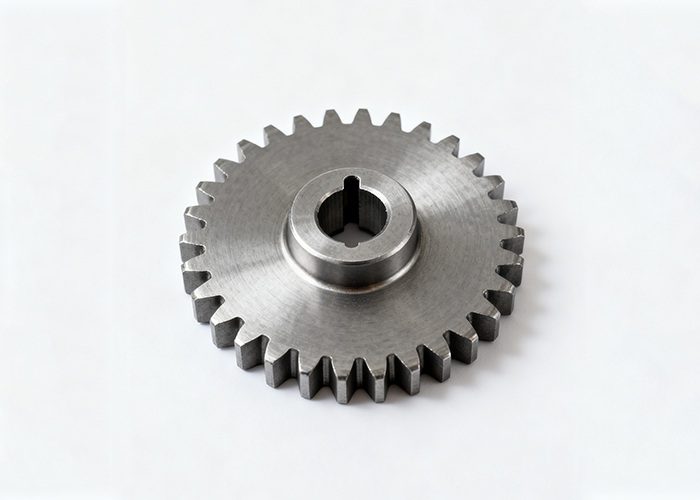
The Unmatched Versatility of Steel
Why steel? The answer lies in its extraordinary range of mechanical properties. Unlike softer metals such as aluminum or brass, steel offers superior tensile strength, hardness, and wear resistance. However, not all steels are created equal. For CNC machining, engineers typically select from three broad categories:
- Carbon Steels (e.g., 1018, 1045, 1144): These are workhorses for structural components, offering a good balance of strength and machinability. 1018 steel, for instance, is renowned for its excellent surface finish and ductility, making it ideal for shafts and pins.
- Alloy Steels (e.g., 4140, 4340): With additions of chromium, molybdenum, and nickel, these steels can be heat-treated to extreme hardness levels. They are the go-to choice for high-stress applications like landing gear components, hydraulic shafts, and heavy-duty gearboxes.
- Stainless Steels (e.g., 303, 304, 316, 17-4 PH): Valued for corrosion resistance, stainless steels are essential in medical devices, food processing equipment, and marine hardware. However, their high work-hardening rate makes them more challenging to machine.
The CNC Advantage: From Drafting to Finished Part
Before CNC, machinists relied on manual lathes and mills, where every movement of the cutting tool was guided by hand. The advent of CNC turned this art into a precise science. A CNC machine is essentially a robotic platform that follows a digital blueprint—a G-code program generated from a CAD (Computer-Aided Design) model. When applied to steel parts, this process yields several distinct benefits:
- Micron-Level Precision: A high-quality CNC milling machine or turning center can hold tolerances within ±0.005 mm (0.0002 inches) even on hardened steel. This is vital for components that must interface perfectly, such as bearing housings or piston cylinders.
- Complex Geometries: Steel is notoriously difficult to shape once hardened. CNC machining uses advanced multi-axis capabilities (4-axis and 5-axis milling) to create complex undercuts, deep cavities, and intricate 3D contours directly in the solid metal, eliminating the need for secondary casting or forging operations.
- Repeatability: When a production run calls for 10,000 identical steel brackets, the first part will be identical to the last. CNC automation ensures that the toolpaths, feed rates, and spindle speeds are executed with perfect consistency, a critical factor in aerospace and automotive supply chains.
The Technical Challenges of Machining Steel
Machining steel is not without its trials. Unlike plastics or aluminum, steel possesses high “shear strength,” meaning it resists being cut. This leads to three primary challenges:
- Heat Generation: The friction between the cutting tool and steel generates intense heat. Excessive heat can cause thermal expansion, ruining dimensional accuracy, and can even alter the microstructure of the steel surface. High-pressure coolant systems are essential to mitigate this.
- Tool Wear: Steel is abrasive to cutting tools. While aluminum can be cut with high-speed steel (HSS) tools, most steel parts demand carbide or ceramic inserts. Modern CNC machines use tool-life monitoring software to automatically compensate for wear and alert operators when a tool needs replacing.
- Chip Control: Steel produces long, stringy chips that can tangle around the spindle or workpiece, leading to poor surface finish or machine damage. Effective chip breakers and high-pressure through-spindle coolant are standard solutions in professional steel machining.
Surface Finishes and Post-Processing
The journey of a CNC machined steel part rarely ends the moment it comes off the machine. To maximize performance, secondary operations are common:
- Heat Treatment: Many parts are machined in an annealed (soft) state, then heat-treated to 40-60 HRC (Rockwell C hardness). This can cause slight distortion, so manufacturers often leave “grinding stock” (an extra 0.2-0.3 mm) to be removed after treatment.
- Black Oxide or Phosphate Coating: While steel provides strength, it rusts easily. A black oxide finish offers mild corrosion resistance without changing part dimensions, commonly seen on tools and fasteners.
- Passivation (for Stainless): This chemical process removes free iron from the surface, maximizing the natural corrosion resistance of stainless steel parts.
Real-World Applications
Consider a heavy-duty hydraulic cylinder used in a mining excavator. The piston rod must be perfectly straight, polished to a mirror finish, and made from hardened 4140 steel to resist scoring under immense pressure. This is done by CNC turning with ceramic inserts, followed by centerless grinding. Or consider a surgical drill guide made from 316 stainless: it requires 5-axis CNC milling to achieve the contoured surfaces that match a patient’s anatomy, with every flute and hole polished to a smooth, bacteria-resistant finish.
The Future: Digital Integration and Automation
The industry is shifting toward “lights-out manufacturing”—running CNC machining centers unattended for hours or overnight. Steel parts demand robust automation, including robotic part loaders, in-process gauging, and adaptive machining strategies—where the CNC control dynamically varies feed rates according to real-time spindle load data. Furthermore, digital twins (virtual replicas of the machining process) allow engineers to simulate and optimize toolpaths before a single steel chip is cut, drastically reducing setup waste.
Conclusion
CNC machined steel parts are more than just components; they are the silent enablers of modern civilization. The fusion of steel’s raw strength with the sub-micron accuracy of CNC technology allows us to build bridges that flex but never break, engines that spin at 10,000 RPM without seizing, and surgical tools that perform life-saving operations. While the challenges of heat, tool wear, and hardness are formidable, advances in coolants, tooling materials, and automation continue to push the boundaries. For any engineer or manufacturer seeking reliability and precision, CNC machining remains the gold standard for transforming a block of steel into a masterpiece of function.