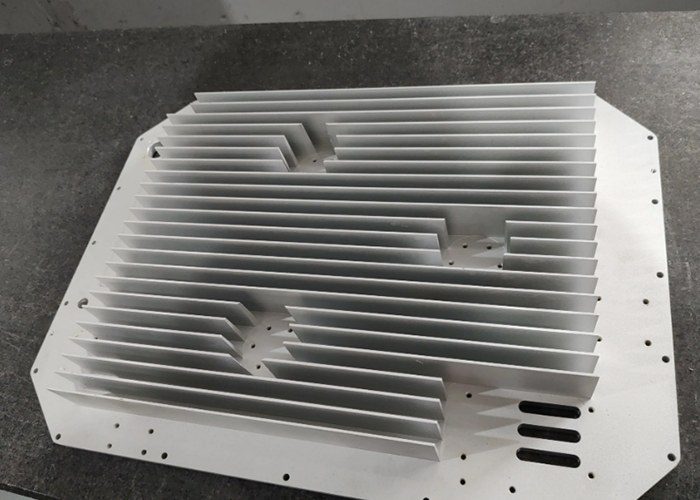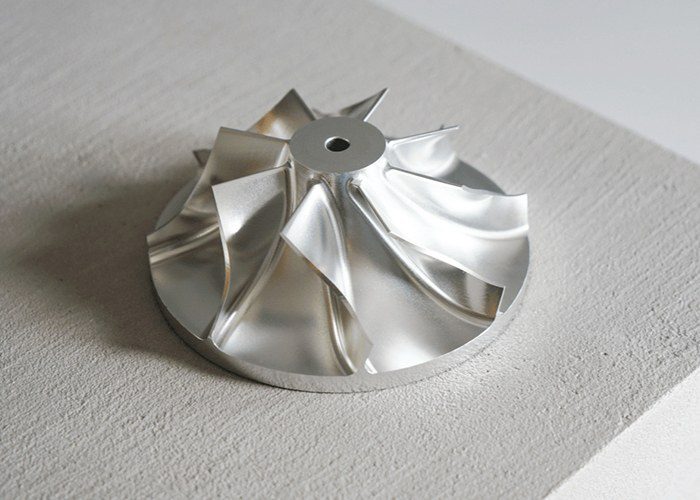
In the landscape of contemporary manufacturing, few processes have reshaped industrial capability as profoundly as CNC milling. Computer Numerical Control (CNC) milling is a subtractive manufacturing technology that uses computer-controlled rotating cutting tools to progressively remove material from a solid workpiece, transforming raw stock into precision-engineered components. Unlike additive processes such as 3D printing, which build objects layer by layer, CNC milling excels at carving parts from solid blocks of metal, plastic, or composite materials with exceptional accuracy and repeatability. CNC machined milling parts have become indispensable across virtually every industry—from aerospace and automotive to medical devices and consumer electronics—because they deliver the precision, reliability, and consistency that modern engineering demands.
The CNC Milling Process: From Digital Design to Physical Part
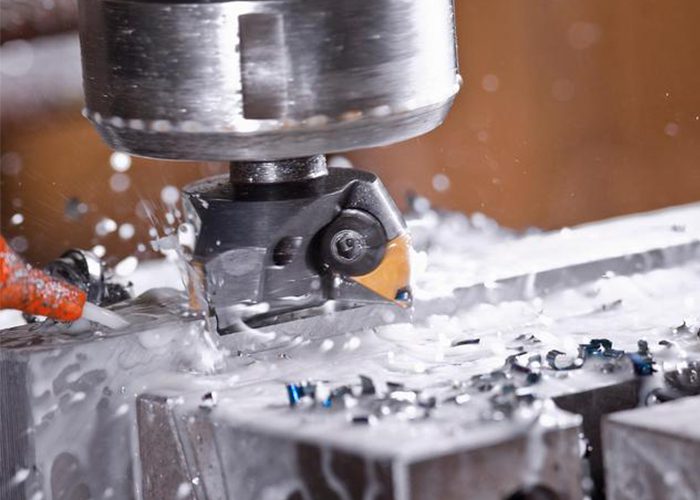
The journey of a CNC machined milling part begins with a digital 3D model created in Computer-Aided Design (CAD) software. This design is then converted into G-code—the machine-readable programming language that instructs the CNC mill on tool paths, spindle speeds, feed rates, and cutting depths. Advanced Computer-Aided Manufacturing (CAM) software automates much of this programming, translating complex geometries into precise machining instructions.
Once the program is loaded, a solid block of material—known as the workpiece or stock—is securely clamped to the machine bed using vises or fixtures. The milling process typically proceeds in stages: a roughing pass removes the bulk of the material quickly, followed by finishing passes that achieve the final dimensions and surface quality. Most CNC mills operate along three linear axes (X, Y, and Z), while advanced 5-axis machines add rotational movement, enabling the production of highly complex geometries in a single setup. After machining, parts undergo deburring to remove sharp edges and small defects, followed by inspection to verify that critical dimensions meet specified tolerances. This entire workflow, from design to finished part, can be completed in as little as ten minutes for simple components.
Materials: Versatility Across the Spectrum
One of the defining strengths of CNC milling is its extraordinary material compatibility. The process can machine almost any engineering material, making it suitable for an exceptionally wide range of applications. Aluminum and its alloys are the most commonly machined materials due to their excellent thermal conductivity, low cutting resistance, and suitability for high-speed machining. Stainless steel, though more challenging to machine because of its hardness and tendency to generate heat, is widely used in medical devices, food processing equipment, and industrial components. Titanium alloys—renowned for their high strength-to-weight ratio and corrosion resistance—are essential in aerospace and medical implant applications, though they require advanced equipment and precise process control due to their poor thermal conductivity. Beyond metals, CNC milling readily processes engineering plastics such as ABS, polycarbonate, nylon, and PEEK, as well as advanced composites like carbon fiber-reinforced materials.
Applications Across Critical Industries
The versatility and precision of CNC machined milling parts have made them fundamental to numerous high-stakes industries. In aerospace, CNC milling produces turbine blades, structural brackets, and lightweight fittings that must withstand extreme conditions while maintaining tight tolerances. The medical device sector relies on CNC milling for surgical instruments, implants, and precision components that demand micron-level accuracy and flawless surface finishes. In automotive manufacturing, CNC-milled parts include engine blocks, transmission components, gears, and custom housings that require strength, durability, and repeatability.
CNC milling has become indispensable in the electronics industry, employed not only for smartphone casings and thermal management systems but also for precision interconnects and highly challenging parts that feature deep grooves, slender walls, and irregular profiles. As electronic products become thinner and more highly integrated, CNC milling’s ability to machine complex micro-structures within limited spaces has become increasingly valuable. This process accommodates both rapid prototyping—with turnaround times measured in hours—and large-scale production, guaranteeing uniform quality and repeatability across all batches.
Key Advantages: Precision, Repeatability, and Efficiency
The inherent benefits of CNC-milled components—namely accuracy, consistency, and material versatility—clearly justify their widespread adoption across modern industry. Precision stands at the forefront: CNC mills routinely achieve tolerances within 0.0001 inches, ensuring that every part meets exact specifications. This level of accuracy is made possible through advanced servo motors, rigid machine structures, and real-time feedback systems that detect and correct deviations during machining.
Repeatability is equally critical. Unlike manual machining, where human operators introduce variability, CNC milling relies on programmed instructions that produce identical parts across thousands of production cycles. This consistency reduces assembly issues, minimizes rework, and gives manufacturers confidence in large-volume procurement.
The process also offers remarkable efficiency. A single CNC mill can produce parts with minimal operator supervision once programmed, and multi-axis machines can machine complex features in one operation—reducing setup time and eliminating positioning errors associated with multiple clamping operations. Rapid production cycles, combined with the ability to quickly respond to design iterations, significantly shorten product development timelines.
Conclusion
CNC machined milling parts represent the convergence of digital design, automated precision, and material science. From the smallest medical implant to critical aerospace structures, these components enable the technologies that define modern life. As manufacturing continues to evolve toward greater complexity and tighter tolerances, CNC milling remains not merely a production method but a foundational capability—one that transforms digital designs into physical reality with speed, accuracy, and unwavering consistency. The global CNC milling machines market, valued at approximately $90.79 billion in 2025 and projected to reach $127.07 billion by 2032, reflects the enduring and growing importance of this essential manufacturing technology.