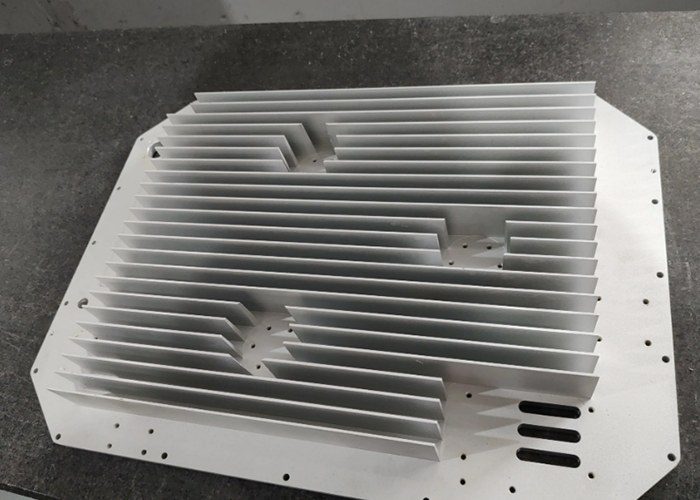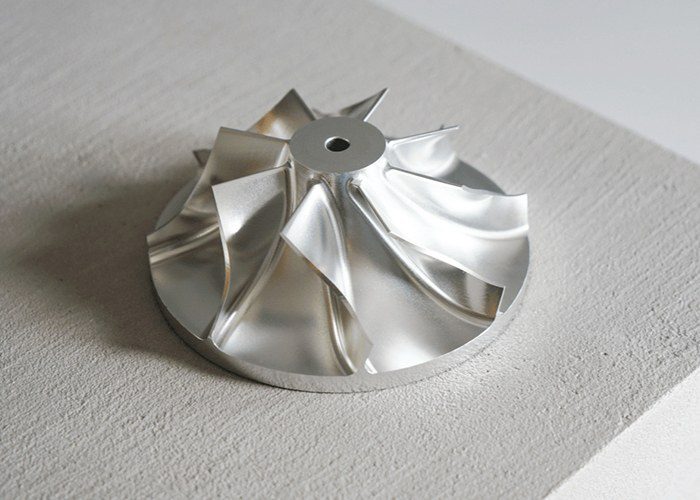
In the intricate symphony of modern machinery, from the roaring heart of a race car to the silent thrust of a spacecraft, manifold parts serve as the unsung conductors of fluid and gas flow. These complex components, often hidden within assemblies, are responsible for the critical task of distributing, mixing, or separating media under extreme pressures and temperatures. The manufacturing of these vital parts has been fundamentally transformed by Computer Numerical Control (CNC) machining, a process that merges digital precision with material science to create components of unparalleled reliability and performance. The realm of CNC machined manifold parts manufacturing is not merely an industrial process; it is a discipline where engineering rigor meets artistry.
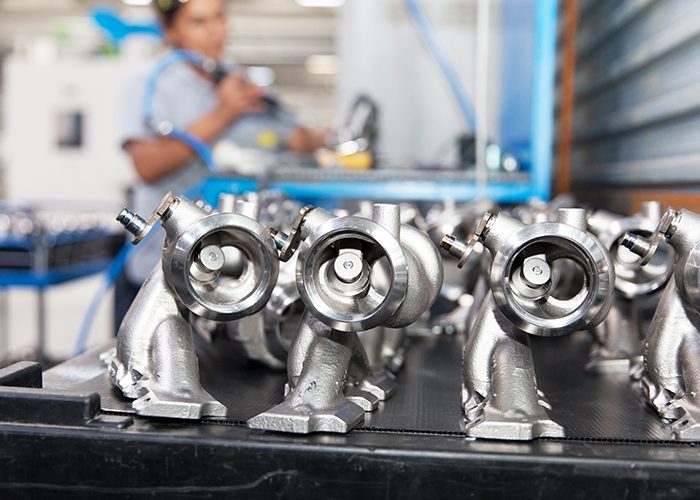
The journey of a CNC machined manifold begins long before metal meets cutting tool. It starts with a profound understanding of the application’s demands—whether it’s for hydraulic systems in construction equipment, fuel distribution in aerospace engines, or coolant flow in high-performance computing. Engineers, leveraging advanced CAD (Computer-Aided Design) software, create intricate 3D models that define every port, channel, and mounting surface. This digital blueprint is more than a drawing; it is a set of precise instructions that will guide the CNC machine. The complexity of manifolds, often featuring intersecting internal passages at multiple angles, makes them prime candidates for CNC’s capabilities. Traditional casting or manual machining struggles with such intricate internal geometries, but CNC technology thrives on it.
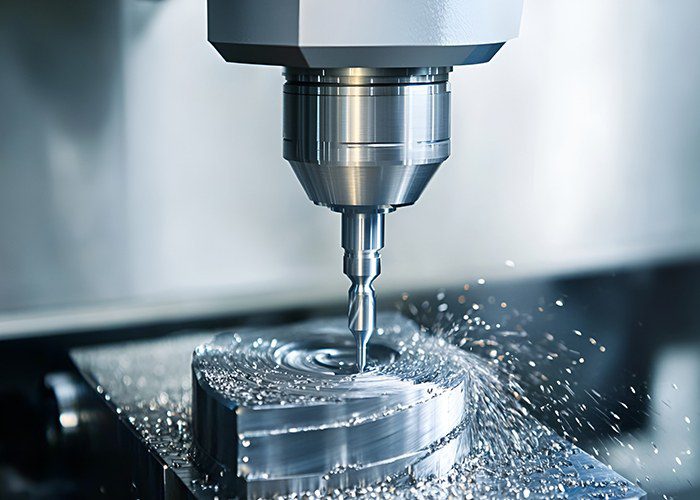
The core of the manufacturing process lies in the CNC machining center—a marvel of modern automation. A solid block of high-grade material, typically aluminum, stainless steel, brass, or engineering plastics like PEEK, is securely fastened to the machine bed. The chosen material is paramount: aerospace manifolds may demand the strength-to-weight ratio of titanium or 7075 aluminum, while chemical processing units require the corrosion resistance of 316 stainless steel or Hastelloy. The CNC machine, following the programmed instructions, employs a variety of rotating cutting tools—end mills, drills, and reamers—to sculpt the raw material with microscopic accuracy. Multi-axis machining, particularly 4-axis and 5-axis CNC systems, is revolutionary here. It allows the cutting tool to approach the workpiece from virtually any direction in a single setup, enabling the creation of complex, interconnected internal galleries and precision-faced sealing surfaces without remounting the part. This not only ensures exceptional accuracy but also maintains perfect alignment between all features, a critical factor for leak-proof performance.
The advantages of CNC machining for manifold production are extensive. First and foremost is precision and repeatability. Tolerances within a few thousandths of a millimeter are standard, ensuring every manifold in a production run is identical. This is crucial for mass assembly and system reliability. Secondly, it offers superior surface integrity and strength. Machining from a solid block produces a continuous grain structure, free from the porosity or inclusions that can plague cast parts. The resulting component boasts higher pressure ratings and fatigue resistance. Furthermore, CNC machining provides unmatched design freedom. Engineers are liberated to design optimized internal flow paths that minimize turbulence and pressure drop, directly enhancing system efficiency. Rapid prototyping is also facilitated; a design can be modified digitally and a new part machined in days, accelerating development cycles.
The applications are as diverse as industry itself. In motorsports and automotive engineering, CNC-machined intake and exhaust manifolds optimize airflow for maximum power and efficiency. In the aerospace and defense sectors, fuel, hydraulic, and pneumatic manifolds must perform flawlessly under punishing G-forces and temperature extremes—a task for which CNC-machined reliability is essential. Industrial automation relies on valve manifolds to control pneumatic actuators with split-second timing. Even in cutting-edge fields like semiconductor manufacturing and clean energy systems, the purity and precision of fluid handling demanded are met by meticulously machined manifolds.
Looking forward, the field is being shaped by several key trends. The integration of Additive Manufacturing (3D Printing) for creating near-net-shape preforms with conformal cooling channels is beginning to complement CNC finishing, offering new thermal management possibilities. Smart manufacturing concepts, with IoT-enabled CNC machines and real-time quality monitoring, ensure traceability and predictive maintenance. Furthermore, the push for sustainability drives optimization in material usage and machining strategies to reduce waste and energy consumption.
In conclusion, CNC machined manifold parts manufacturing represents the pinnacle of subtractive fabrication. It is a process that transforms digital ingenuity into physical perfection, producing the robust, high-precision components that power our most advanced technologies. By combining rigorous programming, multi-axis machining prowess, and a deep knowledge of materials, manufacturers create more than just parts; they fabricate the very arteries of modern mechanical and fluid systems. As demands for efficiency, power, and miniaturization grow, the role of CNC machining in crafting these critical components will only become more central, ensuring that the flow of progress, quite literally, never stops.