
In the gleaming, sterile world of modern medicine, where innovation is often synonymous with biotechnology and digital sensors, a more foundational technology operates with quiet, relentless precision. Computer Numerical Control (CNC) machining, often associated with industrial manufacturing, is in fact the unsung artisan of the medical device industry. It is the critical bridge between visionary medical design and life-saving reality, transforming inert materials into the intricate components that define patient care.
Precision as a Non-Negotiable Ethos
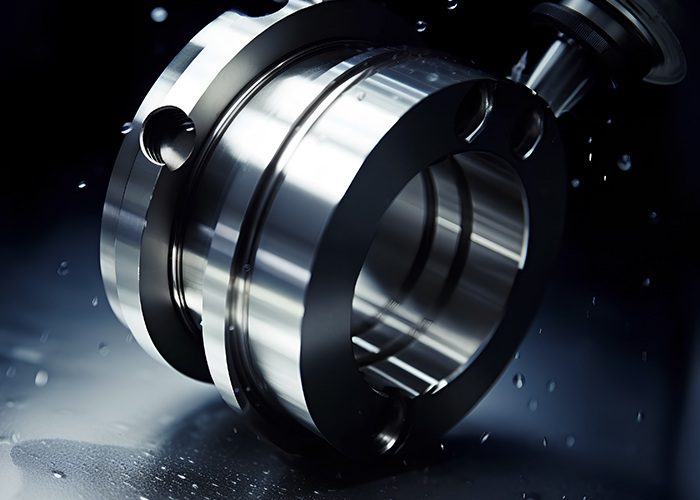
The margin for error in medical devices is measured not in millimeters, but in microns and in human lives. A spinal implant must integrate flawlessly with bone; the cutting edges of a surgical tool must remain razor-sharp and predictable; the internal labyrinth of a drug delivery pump must be perfectly sealed. CNC machining thrives in this environment of absolute demand. By translating complex 3D CAD models into instructions for multi-axis cutting tools, it achieves tolerances that are simply unattainable through manual means. This isn’t just about manufacturing; it’s about replication with absolute fidelity, ensuring that the ten-thousandth femoral knee component is as perfectly engineered as the first. This repeatable precision is the bedrock of regulatory approval and, more importantly, of surgical success.
The Material Alchemist
Medical devices operate in the most challenging environment imaginable: the human body. Consequently, the materials used are as specialized as the devices themselves. CNC machining demonstrates remarkable versatility here, acting as a material alchemist. It expertly sculpts:
- Biocompatible Titans: Like titanium and cobalt-chrome alloys, prized for their strength, corrosion resistance, and ability to osseointegrate—fusing with living bone.
- Engineering Polymers: Such as PEEK (Polyether Ether Ketone), a radiolucent, strong, and fatigue-resistant plastic ideal for trauma implants and surgical instruments.
- Stainless Steels: For durable, sterilizable tools and components requiring excellent mechanical properties.
The CNC process is selected not just for its shape-making capability, but for how it interacts with these materials. Coolant systems, cutting speeds, and toolpaths are meticulously engineered to produce optimal surface finishes that minimize bacterial adhesion and prevent material degradation, ensuring both safety and longevity.
Agility in Innovation and Care
One of CNC machining’s most powerful assets in the medical field is its agility. The prototyping and R&D phase enables rapid design iteration by engineers. A concept for a novel arthroscopic tool or a custom cranial plate can move from digital screen to functional prototype in days, accelerating innovation cycles dramatically. This agility extends to patient-specific care. The rise of personalized medicine has seen CNC machining become indispensable in producing custom implants, surgical guides, and instruments derived directly from a patient’s CT or MRI scans. This shift from “one-size-fits-most” to “made-for-you” represents a profound advancement in treatment outcomes, enabled by the digital-physical flexibility of CNC technology.
Beyond the Cut: The Integral Finish
The journey of a CNC-machined medical component doesn’t end when the cutting tool retracts. The subsequent processes are critical and often integrated with the machining philosophy itself. Components undergo a symphony of secondary operations: tumbling to deburr every microscopic edge, electrophishing to create ultra-smooth, cleanable surfaces, and applying specialized coatings like hydroxyapatite to encourage bone growth. Each step is governed by the same stringent quality controls as the machining process, all documented under the rigorous frameworks of ISO 13485 and FDA regulations. The machine shop, therefore, is not just a fabrication center but a validated ecosystem for producing critical healthcare components.
The Future, Machined Today
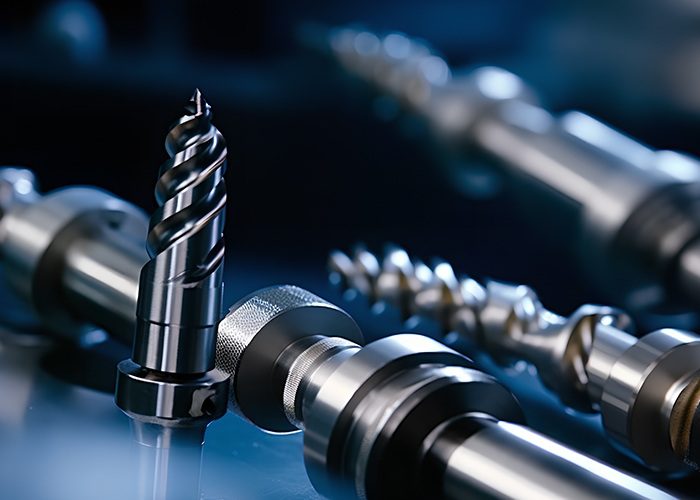
As medical technology evolves, so does the role of CNC machining. It is increasingly converging with additive manufacturing (3D printing) in hybrid workflows, where a base structure is printed and then finished with CNC precision. Micro-machining is creating ever-smaller components for robotic surgery and minimally invasive devices. Furthermore, advances in machine monitoring and data analytics are making the process more transparent and traceable than ever, building even greater quality assurance into every part.
In conclusion, CNC machining for medical devices is far more than a subtractive manufacturing process. It is a discipline of extreme precision, material mastery, and regulatory diligence. It is the enabling technology that allows the brilliance of medical design to manifest as tangible, reliable, and life-enhancing tools. In every successful surgery, in every pain-free movement of a joint replacement, and in every precise dose delivered by an insulin pump, there lies the indelible mark of this unseen artisan—sculpting, with unwavering accuracy, the future of health itself.


