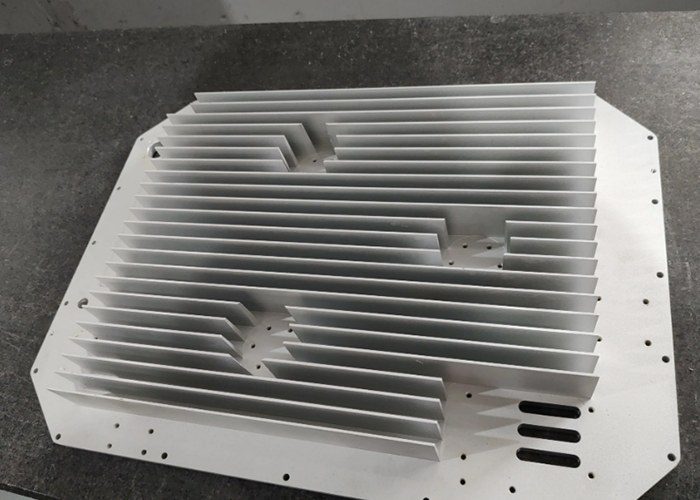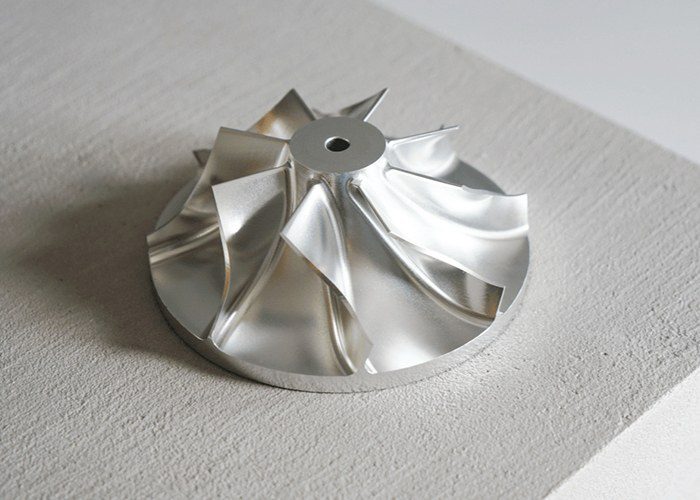
In the relentless pursuit of cycling perfection, where every watt of power and every gram of weight is accounted for, a manufacturing process has risen to become the gold standard for premium components: CNC machining. Far from the realm of mass-produced, stamped metal, CNC (Computer Numerical Control) machined bicycle parts represent the pinnacle of precision engineering, transforming raw blocks of metal into exquisite, high-performance works of functional art. They are the hidden architects of stiffness, the sculptors of aerodynamics, and the undeniable markers of a bicycle built without compromise.
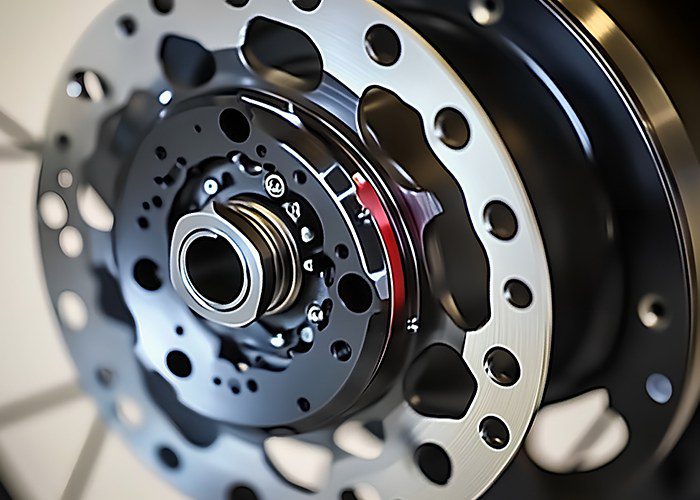
Fundamentally, CNC machining is a manufacturing method that creates parts by precisely removing material from a solid block. It starts not with a mold or a weld, but with a solid billet of material—typically high-grade aluminum alloys like 7075-T6, durable titanium, or even lightweight magnesium. A computer-guided machine, following meticulously programmed digital blueprints, then uses a series of rotating cutting tools to precisely carve away material, layer by microscopic layer. This digital genesis is key; it allows for breathtaking complexity and tolerances measured in microns. Intricate, weight-saving cut-outs, internal channels for hidden cable routing, and complex three-dimensional shapes that would be impossible to cast or forge are all rendered with flawless repeatability. This process stands in stark contrast to cheaper methods like casting, where molten metal is poured into a mold, often resulting in thicker, weaker sections and less dimensional precision.
The benefits of this precise artistry translate directly into tangible performance gains on the road or trail. The first is unmatched strength and stiffness. By strategically removing material only where it is not needed, engineers can create optimized structures that place strength exactly along the lines of stress. A CNC machined rear derailleur huler, for instance, can be engineered to be massively stiff at the mounting point to ensure precise shifting, yet elegantly slim and light elsewhere. This superior stiffness-to-weight ratio means more efficient power transfer; when you stamp on the pedals, energy goes into driving the bike forward, not into flexing the components.
Secondly, CNC machining offers exceptional design freedom and customization. It is the chosen method for small-batch, high-end manufacturers and bespoke frame builders. Whether it’s a sleek, integrated stem and handlebar combo designed to slice through the air, a pair of stunningly crafted cranks with sculpted spider arms, or custom anodized chainring bolts with a team’s logo, CNC makes it possible. This freedom fuels innovation, allowing for parts that are not only functional but also visually striking, with sharp lines, polished finishes, and intricate detailing that announce their quality.
Furthermore, these parts offer superior durability and consistency. The machining process creates parts with a uniform grain structure, free from the porosity or internal flaws that can occur in cast parts. This results in components that can withstand tremendous loads and repeated impacts, a critical factor for mountain bike brakes, pedals, and suspension linkages. Every single part that comes off the machine is identical to the last, ensuring flawless performance and perfect compatibility.
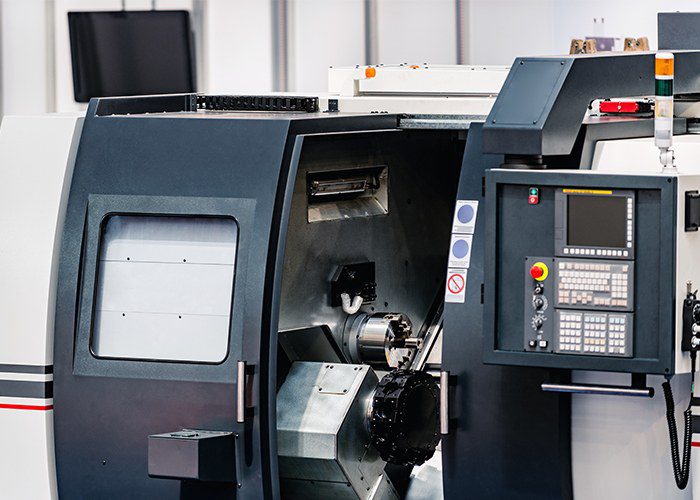
Today, CNC machining is ubiquitous at the highest levels of cycling. Look at any professional road bike, and you’ll likely see CNC brake levers, derailleurs, and stem caps. In downhill mountain biking, CNC’s robustness is essential for critical parts like brake caliper mounts, shock linkages, and stout headset cups. Even the discerning gravel and adventure rider seeks out CNC items like modular cargo cage mounts, sleek bell housings, and precisely engineered seat clamps. They are the hallmark of a bike where no expense or effort has been spared in the quest for optimal function.
In conclusion, CNC machined bicycle parts are far more than just metal components; they are the embodiment of a philosophy. They represent a commitment to achieving the absolute best through technological mastery, material science, and uncompromising design. They bridge the gap between the cold logic of engineering software and the hot passion of cycling performance. For the rider who demands the ultimate in responsiveness, reliability, and aesthetic refinement, CNC parts are not an upgrade—they are the essential foundation. In the symphony of a perfectly tuned bicycle, they are the instruments crafted to play without a single note out of tune, sculpting not just metal, but the very experience of speed itself.