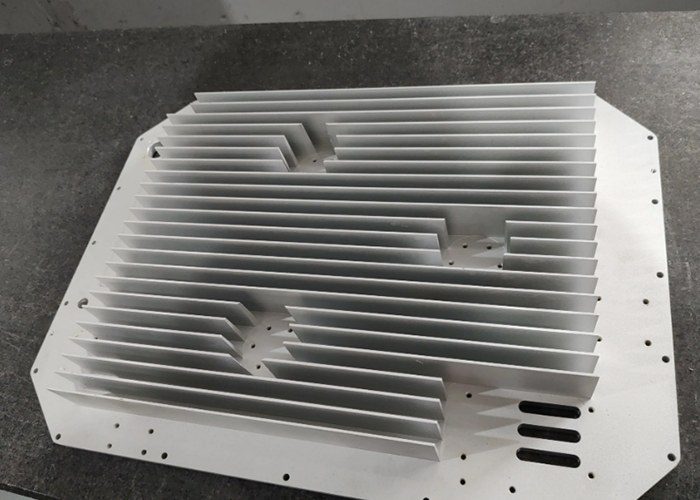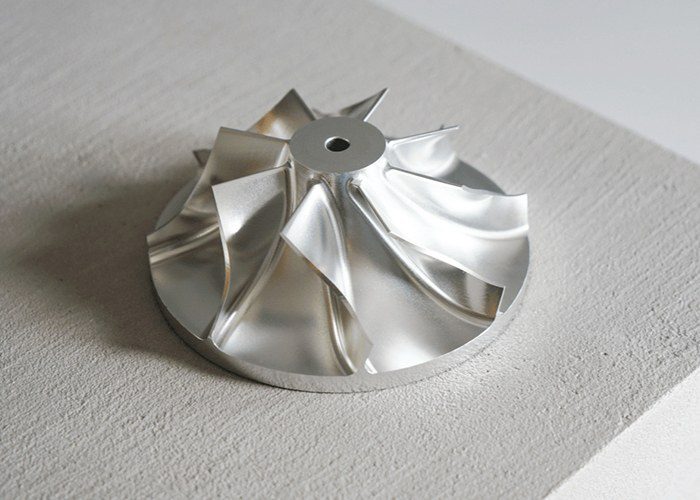
In the intricate ballet of modern automotive manufacturing, where performance, safety, and efficiency are paramount, one technology stands as the undisputed maestro of precision: Computer Numerical Control (CNC) machining. CNC machined auto parts are the unshakeable foundation upon which the industry’s relentless drive for innovation is built. From the roaring engine of a supercar to the silent electric motor of an EV, these components represent the perfect marriage of digital design and physical excellence, ensuring that every vehicle is not just assembled, but engineered with microscopic accuracy.
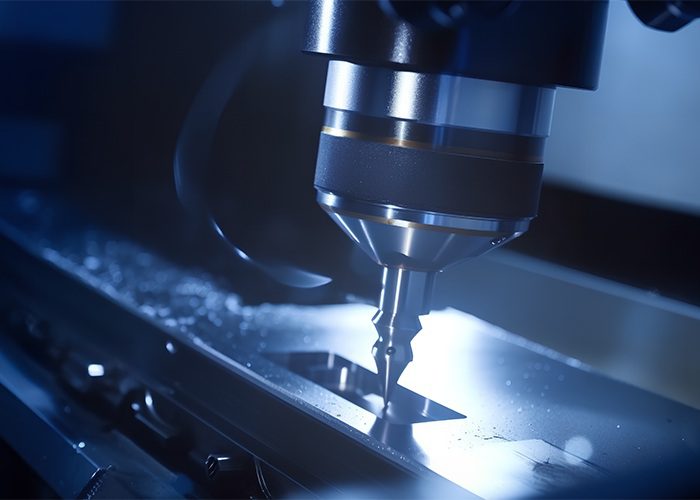
CNC machining is fundamentally a subtractive process in which computer-controlled tools remove material from a workpiece based on digital instructions. This digital blueprint guides mills, lathes, grinders, and routers to carve, drill, and shape a solid block of material—typically metals like aluminum, steel, titanium, or advanced alloys—into a finished part with breathtaking exactitude. This process eliminates the variability and limitations of manual machining, allowing for the production of components with complex geometries, intricate features, and tolerances measured in microns (thousandths of a millimeter). For the automotive industry, this precision is non-negotiable. The flawless interaction of an engine’s pistons, valves, and crankshaft; the reliable steering of a rack and pinion system; the seamless engagement of transmission gears—all depend on the absolute dimensional perfection that only CNC machining can consistently guarantee on a mass scale.
The application of CNC machined parts spans every critical system within a vehicle. In the powertrain, CNC machining creates essential components such as cylinder heads, engine blocks, connecting rods, and turbocharger housings. These parts must withstand extreme temperatures, immense pressures, and constant friction, demanding not only precise dimensions but also superior material integrity, which CNC processes ensure. The chassis and suspension systems rely on machined parts like knuckles, control arms, and shock absorber components to deliver handling, stability, and ride comfort. Here, precision directly translates to safety and driver feedback. Furthermore, the advent of electric vehicles has opened a new frontier. CNC machining produces delicate yet robust parts for battery enclosures, thermal management systems, and the intricate housings for electric motors and power electronics, where lightweighting and thermal conductivity are as crucial as strength.
The advantages of CNC machining for the auto industry are multifaceted. First is unmatched precision and repeatability. Once a program is verified, it can produce ten or ten million identical parts, a necessity for both mass-market models and consistent replacement parts. Second is material versatility. CNC machines can process a vast array of materials, enabling engineers to select the optimal alloy for strength, weight, heat resistance, or corrosion protection for each specific application. Third is speed and scalability for prototyping and production. While ideal for high-volume manufacturing, CNC is also agile enough to rapidly produce functional prototypes, allowing for swift design testing and iteration, which accelerates overall development cycles.
Looking forward, the role of CNC machining is evolving in tandem with industry trends. The push for lightweight vehicles for improved fuel efficiency and EV range favors the machining of high-strength aluminum and magnesium alloys. The integration of additive manufacturing (3D printing) with CNC is also emerging. Hybrid approaches, where a part is roughly shaped by 3D printing and then finished to high precision by CNC milling, are being explored for complex, low-volume components. Moreover, the rise of smart factories and Industry 4.0 is making CNC smarter. Machines equipped with advanced sensors provide real-time data on tool wear, part dimensions, and machine health, enabling predictive maintenance and even finer quality control through AI-driven analytics.
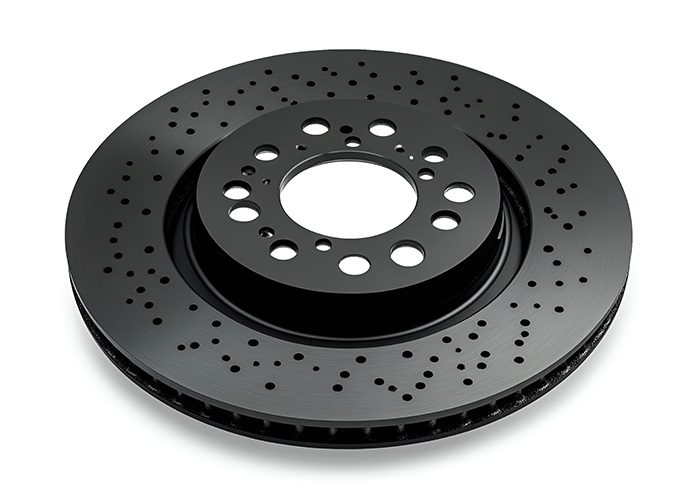
In conclusion, CNC machined auto parts are far more than mere components; they are the physical embodiment of automotive engineering intent. They translate digital innovation into reliable, high-performance reality. As the automotive landscape transforms with electrification, autonomy, and connectivity, the demand for the precision, flexibility, and reliability of CNC machining will only intensify. It is the silent, precise force driving the vehicles of today and forging the path for the mobility solutions of tomorrow, proving that in the quest for automotive excellence, there is no substitute for perfection in every cut.