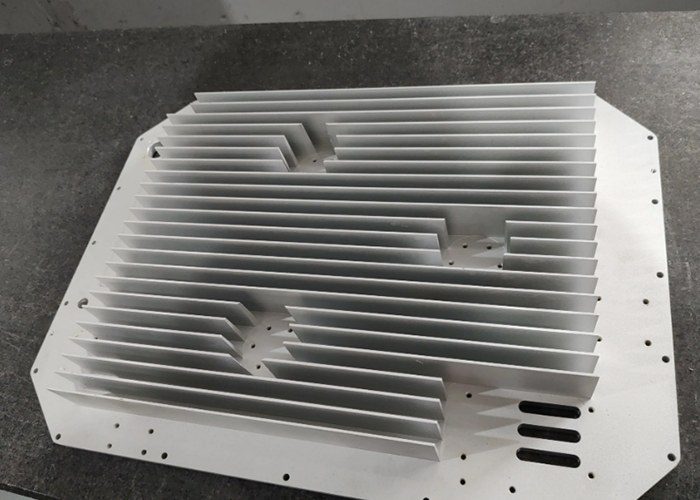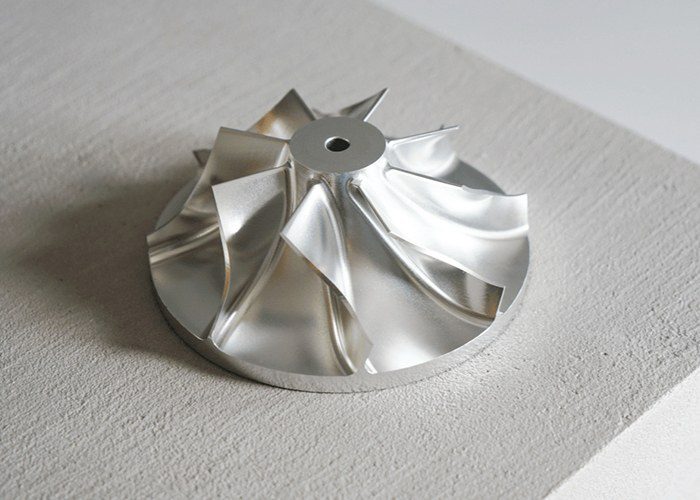
In the vast ecosystem of modern manufacturing, few material-process combinations have proven as versatile, reliable, and indispensable as CNC machined aluminum parts. From the smartphone in your pocket to the aircraft flying overhead, aluminum components shaped by Computer Numerical Control (CNC) machines are everywhere. Their ubiquity is not accidental—it is the direct result of aluminum’s unique material properties combined with the unparalleled precision of CNC machining. This article explores why this pairing dominates industries ranging from aerospace to consumer electronics, and what makes it the go-to solution for engineers worldwide.
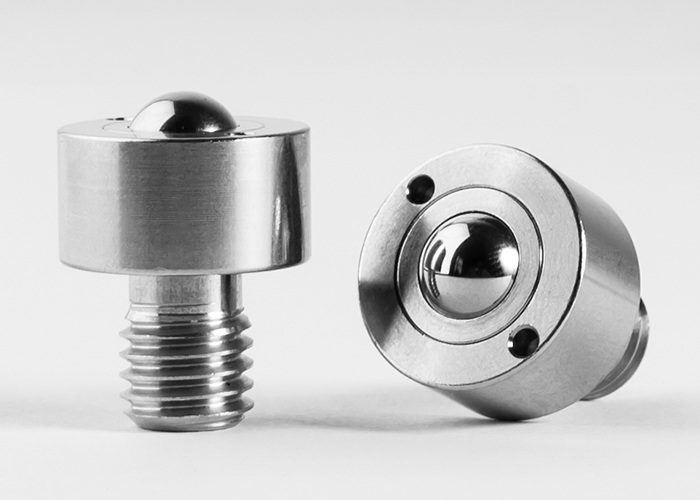
The Perfect Pairing: Why Aluminum and CNC Work So Well
Aluminum is often described as the “goldilocks” metal for machining. Lightweight at roughly one-third the density of steel, it still boasts an impressive strength-to-weight ratio. It resists corrosion naturally thanks to its oxide layer, conducts heat and electricity efficiently, and remains non-magnetic and non-sparking. More importantly for machinists, aluminum is exceptionally easy to cut. It produces manageable chips, allows for high speeds and feeds, and causes less tool wear than harder metals like stainless steel or titanium.
When paired with multi-axis CNC mills and lathes, aluminum can be transformed from a raw block into a finished component with tolerances as tight as ±0.005 mm (0.0002 inches). CNC machines follow digital instructions (G-code) generated from CAD models, enabling complex geometries—undercuts, deep pockets, curved surfaces, and micro-features—that would be impossible or prohibitively expensive with manual machining. This synergy makes CNC aluminum parts not only precise but also repeatable: the thousandth part is identical to the first.
Key Advantages Driving Adoption
1. Exceptional Speed and Efficiency
Because aluminum cuts quickly, CNC machining cycles are short. A typical aluminum part can be produced in minutes rather than the hours required for steel. This speed translates directly into lower unit costs, especially for medium-to-high volume production runs. For prototyping, CNC aluminum parts can be delivered in as little as 24–48 hours, accelerating product development cycles.
2. No Minimum Order Quantities (MOQs)
Unlike die casting or injection molding—which require expensive molds and are economical only at high volumes—CNC machining is tool-less. Once the program is written, a machinist can produce one part or ten thousand parts with equal ease. This flexibility is invaluable for custom prototypes, replacement parts, and low-volume specialty products.
3. Superior Surface Finish and Post-Processing Compatibility
Aluminum naturally machines to a smooth surface finish (typically 32–63 microinches Ra). But where it truly shines is in secondary operations. CNC machined aluminum parts can be anodized in virtually any color (clear, black, red, blue, etc.), which not only enhances aesthetics but also improves wear and corrosion resistance. They can also be powder-coated, bead-blasted, brushed, plated (nickel or chrome), or chemically filmed (e.g., Alodine) for RF grounding in electronics.
4. High Strength Without Weight
For applications like drone frames, automotive brackets, and robotic arms, every gram matters. Heat-treated aluminum alloys (especially 6061-T6, 7075-T6, and 2024) offer tensile strengths exceeding 500 MPa (for 7075), rivaling mild steel at 1/3 the weight. This allows engineers to design lightweight yet rigid structures.
Common Aluminum Alloys for CNC Machining
Not all aluminums are created equal. The most frequently machined grades include:
- 6061-T6: The workhorse. Excellent machinability, good corrosion resistance, weldable, and affordable. Used for automotive parts, bicycle frames, marine components, and general engineering.
- 7075-T6: Aerospace-grade. Much stronger than 6061 but less corrosion-resistant and more expensive. Ideal for aircraft fittings, rock climbing equipment, and high-stress structural parts.
- 2024: High fatigue resistance but poor corrosion resistance (often clad with pure aluminum). Common in aircraft fuselage and wing structures.
- 5052: Superior corrosion resistance, especially in saltwater. Used for marine hardware, fuel tanks, and electronic enclosures.
Industries Relying on CNC Aluminum Parts
Aerospace & Defense – Demands extreme precision and lightweight strength. CNC aluminum parts include wing ribs, fuselage frames, hydraulic manifolds, and avionics housings. Many are machined from solid billets to avoid weld-induced weakness.
Automotive – From engine blocks and transmission cases to custom intake manifolds and suspension components. High-performance electric vehicles (EVs) use CNC aluminum for battery trays and cooling plates.
Medical Devices – Surgical instruments, implant trial components, MRI-compatible fixtures (aluminum is non-magnetic), and robotic surgery arm linkages.
Consumer Electronics – Smartphone unibodies, laptop chassis, smartwatch cases, and camera housings. Apple’s iconic MacBook and iPhone enclosures are classic examples of anodized CNC aluminum.
Robotics & Automation – End effectors, mounting plates, gearbox housings, and linkage arms benefit from aluminum’s low inertia and high stiffness.
Limitations and How to Mitigate Them
No material is perfect. Aluminum’s relative softness means it can scratch, dent, or gall (adhere to cutting tools). Its high thermal expansion coefficient (about twice that of steel) requires careful temperature control during precision machining. Additionally, long chips can wrap around tools, though this is managed with chip-breaking toolpaths and high-pressure coolant.
For high-wear applications like bearing journals, designers often press in steel inserts or apply hard anodizing (Type III) to create a ceramic-like surface of 60–70 Rockwell C. For extreme temperatures (above 400°C), aluminum loses strength, so it is not suitable for jet engine turbine blades—that’s titanium’s job.
The Future: Automation and High-Speed Machining
The demand for CNC machined aluminum parts is growing, driven by electric vehicles, drones, and 5G infrastructure. Modern CNC shops now use robotic part loaders, in-process inspection probes, and adaptive toolpaths that optimize feed rates in real time. High-speed machining (HSM) with spindle speeds of 15,000–40,000 RPM and light depths of cut allows for “trochoidal milling,” which reduces heat buildup and enables thinner, more delicate features.
In conclusion, CNC machined aluminum parts represent a sweet spot of precision, speed, affordability, and versatility. Whether you need a single complex prototype or a million identical brackets, this manufacturing method delivers. As industries continue to demand lighter, stronger, and more intricate components, the partnership between CNC technology and aluminum will remain a cornerstone of the industrial world—proving that sometimes, the best combination is also the most elegant.