In the intricate world of modern manufacturing, where precision, strength, and efficiency are paramount, CNC machined aluminum components stand as a cornerstone technology. These parts, born from the marriage of advanced computer numerical control (CNC) technology and versatile aluminum alloys, are indispensable across a staggering array of industries, from aerospace and automotive to medical devices and consumer electronics. Their widespread adoption is not incidental but a direct result of a unique set of properties that make aluminum an ideal candidate for precision machining.
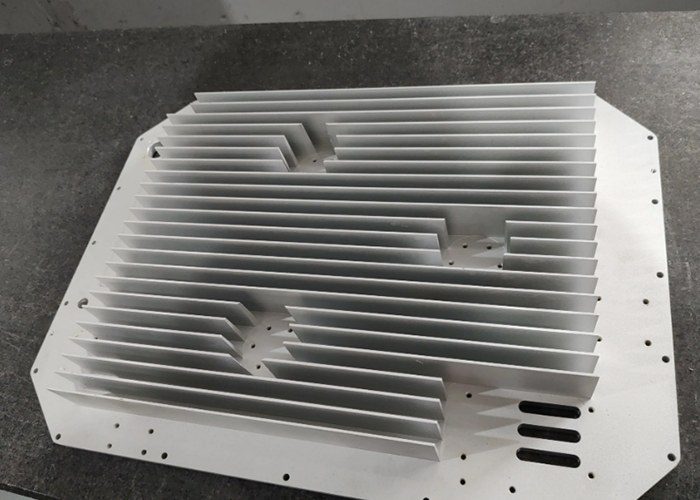
The fundamental advantage begins with the material itself. Aluminum alloys, such as the commonly machined 6061, 7075, or 2024, offer an exceptional strength-to-weight ratio. This means components can be incredibly robust and durable while remaining lightweight—a critical factor in industries like aerospace and automotive, where every gram saved translates to improved fuel efficiency and performance. Furthermore, aluminum naturally forms a protective oxide layer, granting it excellent corrosion resistance, which ensures longevity even in challenging environments. Its high thermal and electrical conductivity also makes it suitable for heat sinks, enclosures, and various electronic applications.
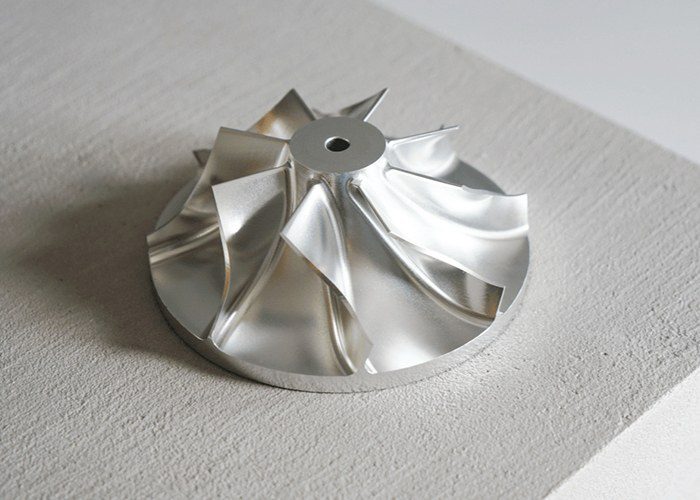
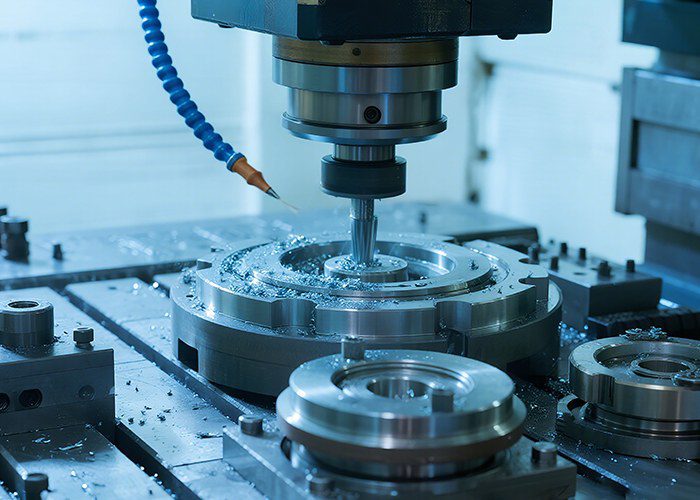
CNC machining elevates these inherent material benefits to new heights of utility. The process involves the use of pre-programmed computer software to dictate the movement of high-speed cutting tools, which precisely remove material from a solid block of aluminum (a method known as subtractive manufacturing). This digital-to-physical translation allows for the production of components with extraordinary dimensional accuracy, often within microns, and exceptionally tight tolerances. Unlike molding or casting, CNC machining does not require expensive upfront tooling for prototypes or small batches, making it highly cost-effective for custom parts, rapid prototyping, and low-to-medium volume production. The flexibility of CNC programming also means that designs can be complex and intricate, featuring deep cavities, thin walls, intricate contours, and perfect geometric repeatability part after part.
The real-world applications of CNC machined aluminum are a testament to their versatility. In the aerospace and defense sectors, these components are vital for structural airframe parts, engine components, brackets, and drone assemblies, where failure is not an option. The automotive and motorsport industries rely on them for high-performance engine blocks, suspension components, custom brackets, and lightweight chassis parts, pushing the boundaries of speed and efficiency. In medical technology, the biocompatibility of certain aluminum alloys, combined with the sterile-friendly, non-porous surfaces achievable through machining, makes them perfect for surgical instruments, diagnostic device housings, and prosthetic limbs. The electronics and telecommunications fields use machined aluminum for robust enclosures, RF shields, waveguides, and the ubiquitous heat sinks that keep our devices from overheating. Even in industrial automation, they form the skeletal framework of robots, sensor mounts, and machinery parts that require precision and durability.
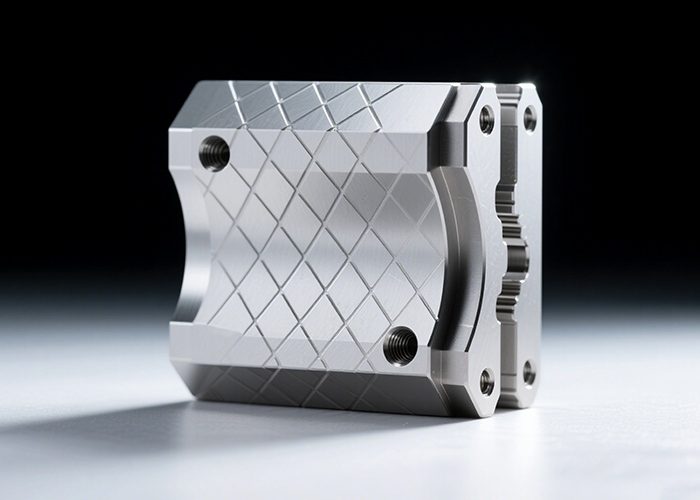
Looking forward, the trajectory of CNC machined aluminum components is intertwined with the evolution of industry itself. The rise of Industry 4.0 and the Internet of Things (IoT) is fostering smarter CNC machines with enhanced automation, real-time monitoring, and predictive maintenance, boosting productivity. The integration with Additive Manufacturing (3D Printing) is creating hybrid workflows, where a near-net-shape part is 3D printed in aluminum and then finished with CNC machining for critical tolerances and surface finishes. Sustainability is also becoming a key driver, with a growing focus on optimizing machining paths to minimize waste (swarf) and increasing the recycling of aluminum chips, leveraging the metal’s 100% recyclability without loss of properties.
In conclusion, CNC machined aluminum components are far more than simple metal parts. They represent a synergistic fusion of a superior material and a transformative manufacturing process. They deliver the precision required for technological advancement, the strength needed for reliability, and the lightness essential for innovation. As technologies converge and demands for efficiency and customization grow, the role of these meticulously crafted components will only become more central, continuing to shape the very framework of our engineered world.