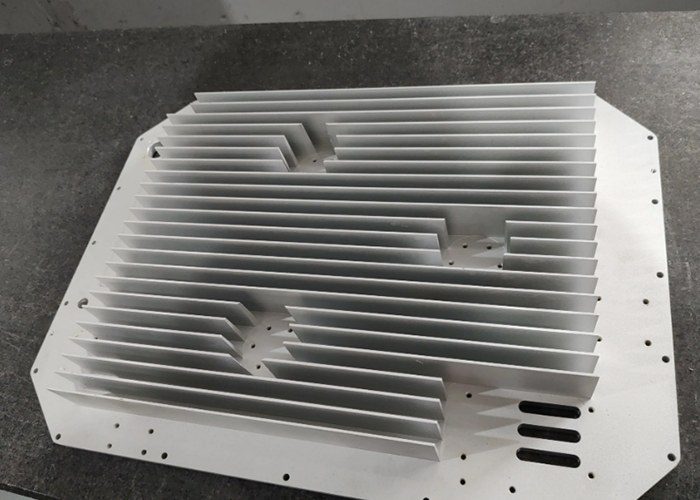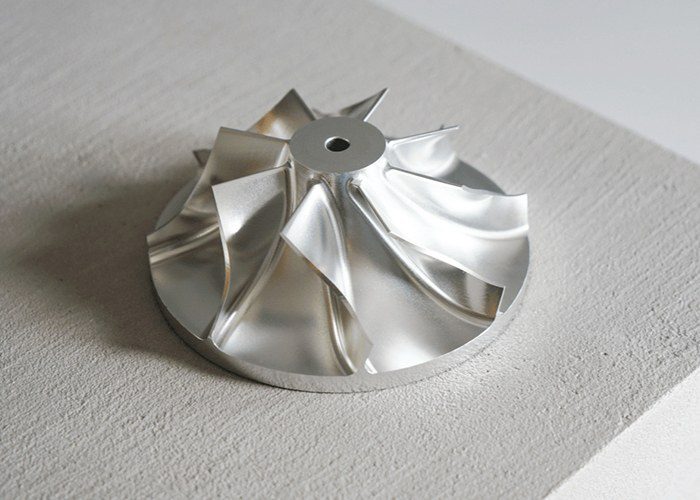
In the realm of modern manufacturing, few processes have proven as transformative as CNC machining, particularly when applied to aluminium alloy for the production of case parts and enclosures. Whether protecting the delicate circuitry of a smartphone or housing the control systems of an industrial robot, the CNC machined aluminium alloy case part has become the gold standard for durability, precision, and aesthetic excellence. This article explores the materials, processes, and applications that make these components indispensable across numerous industries.

The Material Advantage: Why Aluminium Alloy?
The journey of a CNC machined case part begins not with the machine, but with the material itself. Aluminium alloys are the preferred choice for precision enclosures due to a unique combination of properties. Primary among these is an exceptional strength-to-weight ratio. Aluminium typically weighs one-third as much as steel yet offers sufficient rigidity to protect sensitive internal components, which is critical for aerospace and portable electronics where every gram counts.
Furthermore, aluminium possesses natural corrosion resistance. When exposed to air, it forms a passive oxide layer that protects the underlying metal from environmental degradation. This makes it suitable for everything from marine hardware to outdoor industrial equipment. Its high thermal conductivity also allows it to act as an effective heat sink, dissipating heat generated by CPUs and power electronics—a vital function in devices like laptops and LED lighting systems.
Commonly used grades include the versatile 6061 aluminium, known for its excellent machinability and anodizing quality, and the aerospace-grade 7075 alloy, which offers superior strength for high-stress applications.
The CNC Machining Process: From Solid Block to Precision Component
What sets CNC machined cases apart from cast or stamped alternatives is the manufacturing process itself. CNC machining is a subtractive manufacturing method where computer-controlled tools remove material from a solid block (or billet) of aluminium to create the desired shape.
The process commences with the creation of a digital 3D model using CAD software. This design is converted into machine code (G-code) that directs the movement of spindles and cutting tools. For complex case geometries, multi-axis CNC mills—including 4-axis and 5-axis machines—are employed to achieve intricate features, undercuts, and precise internal cavities in a single setup.
The primary advantage of this method is unsurpassed accuracy. Tolerances as tight as ±0.01mm or even ±0.005mm are routinely achieved. This precision ensures a perfect fit for circuit boards, displays, and gaskets. Unlike die-casting, which can leave porosity or require extensive tooling, CNC machining produces parts with superior structural integrity and surface finish.
Diverse Applications Across Industries
The versatility of CNC machined aluminium alloy case parts is evident in their wide range of applications:
- Consumer Electronics: High-end smartphones, tablets, and laptops often feature unibody enclosures machined from a single block of aluminium. This “unibody” design eliminates weak points, provides a premium tactile feel, and enhances thermal management.
- Industrial and Automotive: In factory automation and electric vehicles, these enclosures protect control units, sensors, and battery management systems from vibration, dust, and extreme temperatures. The ability to integrate mounting brackets and sealing grooves directly into the design ensures reliable performance in harsh environments.
- Medical Devices: For diagnostic equipment and surgical tools, the ability to sterilize and the non-toxic nature of anodized aluminium make it a safe choice. CNC machining ensures that enclosures meet stringent regulatory standards for dimensional accuracy.
- Aerospace and Robotics: Drone frames and avionics housings leverage the lightweight strength of alloys like 7075 to maximize flight time and payload capacity.
Surface Finishing: Enhancing Function and Form
After machining, the raw aluminium part typically undergoes surface treatment to improve its properties and appearance. Anodizing is the most common finish, an electrochemical process that thickens the natural oxide layer. This enhances wear resistance, corrosion protection, and allows for the introduction of vibrant colors by absorbing dyes into the porous anodic layer.
Other available finishes include bead blasting for a uniform, matte surface; brushing to create a subtle, linear grain; and powder coating for enhanced durability and corrosion resistance. These treatments not only protect the metal but also elevate the product’s aesthetic, providing the sleek, professional look associated with precision engineering.
Conclusion
CNC machined aluminium alloy case parts represent a convergence of material science and precision manufacturing. By combining the natural benefits of aluminium—light weight, strength, and conductivity—with the exacting capabilities of computer-controlled machining, manufacturers can create enclosures that are both protective and beautiful. As industries continue to demand smaller, lighter, and more powerful devices, the role of precision-machined aluminium cases will only grow, continuing to shield the technology that powers the modern world.