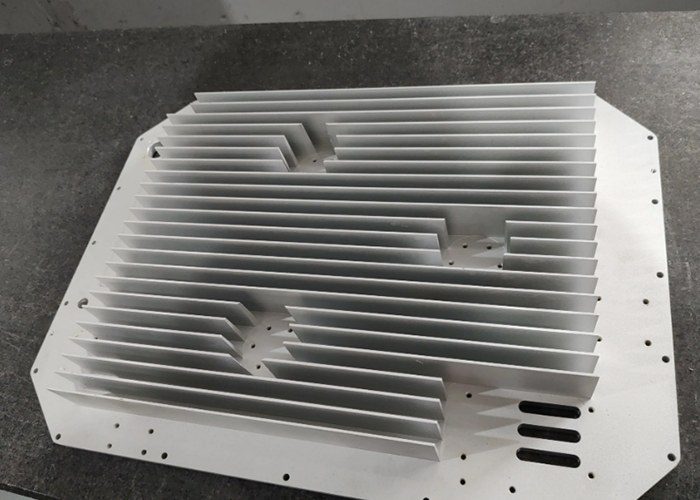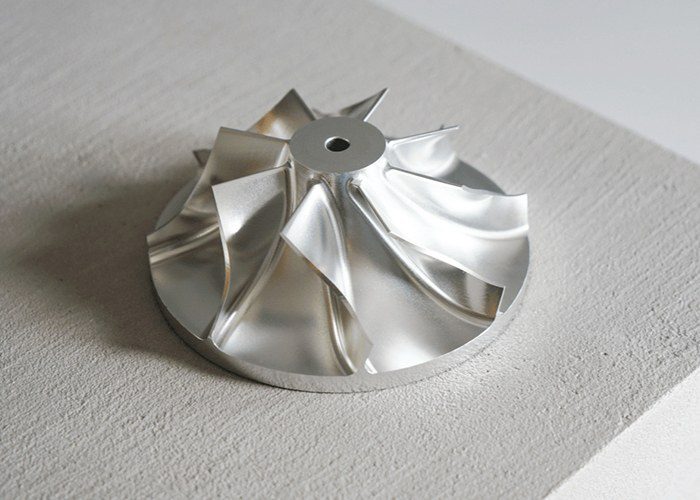
In the landscape of modern manufacturing, precision is not just a requirement—it is the currency of progress. At the heart of this precision-driven industrial evolution lies a technology that has transformed how we conceptualize, design, and produce components: CNC Metal Machining Parts. From the brackets in your automobile to the life-saving implants in medical surgeries, these meticulously crafted components are the silent workhorses of the contemporary world.
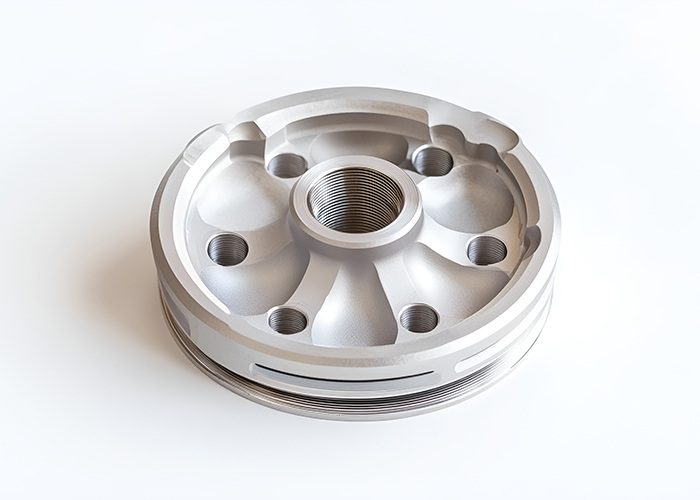
Understanding CNC Machining
CNC (Computer Numerical Control) machining is a subtractive manufacturing process that utilizes pre-programmed computer software to control the movement of factory tools and machinery. This process allows for the control of complex machinery ranging from grinders and lathes to mills and routers. With CNC machining, three-dimensional cutting tasks can be accomplished in a single set of prompts, yielding parts that meet the exact specifications of the CAD (Computer-Aided Design) file.
The process primarily branches into two core techniques: CNC milling and CNC turning. CNC milling utilizes rotating multi-point cutting tools to remove material from the workpiece, making it ideal for creating complex shapes and features like slots, holes, and cavities. On the other hand, CNC turning involves rotating the metal part on a lathe while a stationary cutting tool shapes it, which is perfect for producing cylindrical or concentric components.
Modern CNC technology has advanced far beyond the basic three-axis machines. Today, multi-axis machining centers (4-axis, 5-axis, and even 7-axis) allow for incredibly intricate geometries to be machined in a single setup. This reduces the need for multiple fixtures and manual handling, thereby minimizing human error and dramatically increasing efficiency.
The Spectrum of Materials
The versatility of CNC machining is perhaps best illustrated by the vast array of materials it can handle. The choice of material is dictated by the intended application of the part, balancing factors like strength, weight, corrosion resistance, and cost.
Common metals include Aluminum Alloys (such as 6061-T6 and 7075), prized for their excellent strength-to-weight ratio and machinability, making them a staple in the aerospace and automotive sectors. Stainless Steel (like 303 and 304) offers superior corrosion resistance and durability for medical instruments and food processing equipment. For applications requiring extreme performance, Titanium and Inconel are favored in high-stress environments like jet engines and defense systems due to their ability to withstand high temperatures. Other materials like brass, copper, and various engineering plastics (PEEK, ABS) also fall under the umbrella of precision CNC machining, allowing for hybrid components that leverage the benefits of multiple material types.
Applications Across Industries
The reach of CNC metal parts extends into virtually every sector of the economy. In the aerospace and defense industries, where the margin for error is zero, CNC machining produces critical structural components, turbine blades, and UAV frames with tolerances as tight as ±0.0001 inches. The automotive industry relies on it for manufacturing engine blocks, pistons, suspension components, and custom racing parts where repeatability and high-quality surface finishes are non-negotiable.
In the medical field, the technology enables the production of customized orthopedic implants (knees and hips), surgical tools, and dental components that must conform perfectly to human anatomy. Even in consumer electronics, the sleek metal unibodies of smartphones and laptops are products of advanced CNC machining, requiring both aesthetic appeal and structural integrity.
Quality Assurance and Modern Innovations
Producing a perfect CNC metal part is not just about the cutting process; it is equally about verification. Quality control has evolved to keep pace with machining capabilities. Techniques like On-Machine Inspection (OMI) use probes and sensors to measure parts while they are still set up on the machine. This allows for real-time adjustments to compensate for tool wear or thermal expansion, preventing defects before they occur. Following machining, sophisticated equipment like Coordinate Measuring Machines (CMM) and Video Measuring Machines (VMM) provide final verification to ensure that every dimension conforms to the strict geometric tolerancing specified in the design.
Looking forward, the future of CNC metal parts is intertwined with Industry 4.0. We are seeing a rise in “smarter” machines equipped with IoT sensors that provide data analytics for predictive maintenance and process optimization. Furthermore, the capability for multi-material integration is expanding, allowing manufacturers to create hybrid parts that combine the strength of metals with the flexibility of composites.
Conclusion
CNC machined components epitomize precision manufacturing. By combining the rigidity of metals with the accuracy of computer control, this technology empowers industries to push the boundaries of innovation. Whether it is a one-off prototype or a mass-produced component, CNC machining remains the definitive solution for transforming a digital vision into a tangible, high-performance reality. As automation and material science continue to advance, the importance of these precision parts will only grow, solidifying their role as the backbone of modern industry.