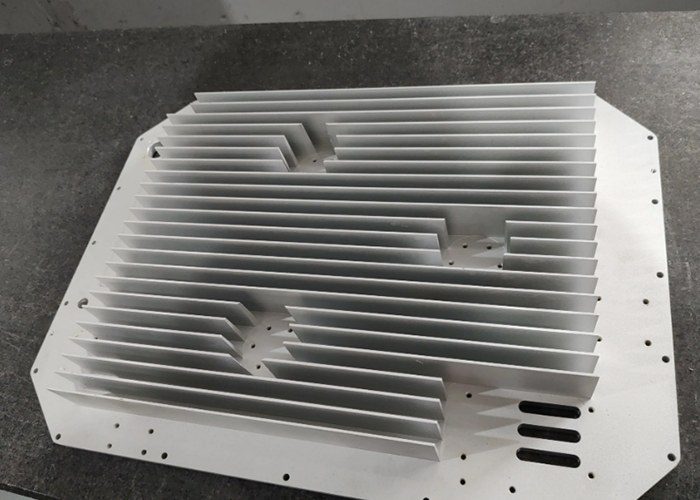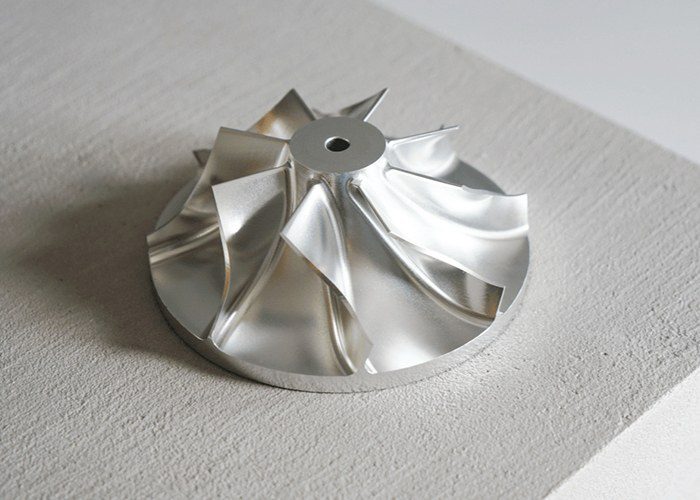
In the vast ecosystem of modern manufacturing, few processes are as fundamental and transformative as CNC lathe machining. Short for Computer Numerical Control, CNC lathe machining has revolutionized how industries produce cylindrical components, turning raw materials into high-precision parts with repeatable accuracy that was unimaginable just a few decades ago. From the smallest medical bone screw to massive aerospace shafts, CNC lathe machining parts are the unsung heroes that keep our world moving, flying, and functioning.
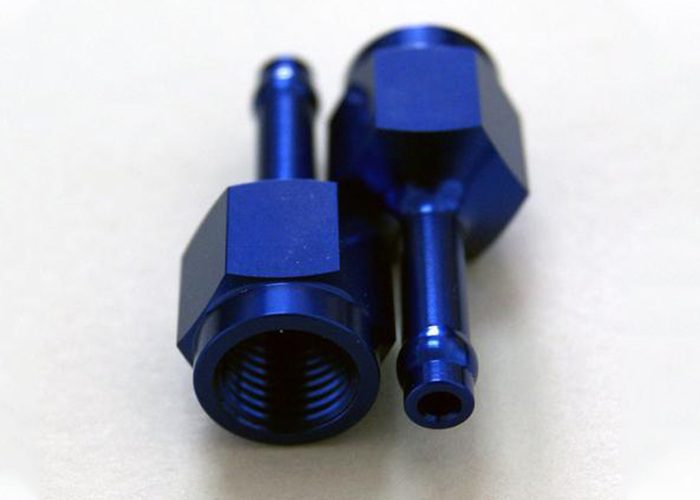
At its core, a CNC lathe operates on a deceptively simple principle: the workpiece rotates at high speeds while a stationary cutting tool traverses along two or more axes to remove material. This process, known as turning, is ideal for creating parts with symmetry around a central axis. However, modern CNC lathes—especially those equipped with live tooling and Y-axis capabilities—have blurred the line between turning and milling. Today, a single CNC lathe can perform drilling, tapping, slotting, and even off-center milling in one setup, drastically reducing handling errors and production time.
The range of parts produced on CNC lathes is staggeringly diverse. In the automotive industry, engine valves, pistons, axle shafts, and transmission components rely on the speed and precision of CNC turning. The medical field demands flawless surface finishes and micron-level tolerances for bone screws, surgical instruments, and implantable devices. Aerospace engineers trust CNC-lathed parts for landing gear components, hydraulic fittings, and turbine engine rings, where failure is not an option. Even everyday products like ballpoint pen tips, gas meter fittings, and electric motor rotors owe their consistency to CNC lathe machining.
What makes CNC lathe machining parts superior to conventionally machined parts? The answer lies in three pillars: precision, repeatability, and complexity. A well-programmed CNC lathe can hold tolerances as tight as ±0.0002 inches (5 microns) across thousands of identical parts. Once the program is proven, the machine will faithfully produce the same geometry day after day, unaffected by operator fatigue or skill variation. Moreover, modern CNC lathes with sub-spindles and bar feeders can complete complex parts in a single operation, eliminating the need for secondary machines and manual re-chucking. This capability is especially valuable for high-volume production runs, where cost per part plummets as cycle time shrinks.
Material versatility is another hallmark of CNC lathe machining. From free-machining brass and aluminum to tough alloys like Inconel, titanium, and hardened tool steels, a CNC lathe can handle them all—provided the correct cutting tools, speeds, and coolants are selected. Plastics such as PEEK, Delrin, and Teflon are also routinely turned for applications requiring lightweight, corrosion-resistant, or electrically insulating properties. The ability to switch between materials with minimal setup changeover makes CNC lathes a cornerstone of job shops and contract manufacturers.
But producing high-quality CNC lathe machining parts is not as simple as pressing a green button. Success depends on a chain of critical factors. First, part design must respect the physics of turning: deep internal bores, extremely thin walls, and interrupted cuts can cause chatter, tool breakage, or dimensional drift. Designers are increasingly using DFM (Design for Manufacturing) principles to optimize geometries for lathe efficiency. Second, toolpath programming requires skill. Modern CAM (Computer-Aided Manufacturing) software generates efficient roughing and finishing passes, but an experienced machinist knows how to reduce air-cutting time, manage chip evacuation, and apply peel milling for hard materials.
Quality control for CNC lathe parts is equally rigorous. On-machine probing systems allow the lathe to measure critical features immediately after machining, automatically compensating for tool wear or thermal growth. CMM inspections of high-value parts check concentricity, roundness, and surface profile, ensuring compliance with blueprint requirements. Surface finishes are often specified in Ra (roughness average) values; a standard turning operation might achieve 32 microinches, while hard turning with a wiper insert can reach 8 microinches, eliminating the need for grinding.
Looking forward, the future of CNC lathe machining is intertwined with Industry 4.0 technologies. Smart lathes now feature vibration sensors, thermal compensation algorithms, and predictive maintenance alerts. Artificial intelligence is beginning to optimize cutting parameters in real time, balancing tool life against cycle time. Automation has also matured: robotic part loaders and gantry systems can tend multiple lathes overnight, enabling lights-out manufacturing. For businesses, this means reduced labor costs and faster returns on investment.
Nevertheless, challenges remain. The global shortage of skilled CNC programmers and setup technicians is a real bottleneck. While lathes become smarter, they still require human expertise for first-article inspection, tool selection, and process troubleshooting. Furthermore, the initial capital investment for a multi-axis CNC lathe with live tooling and a bar feeder can exceed $200,000, putting it out of reach for small workshops. Fortunately, the growth of CNC machining services has democratized access: companies can outsource their turned parts to specialized vendors who maintain fleets of modern lathes.
In conclusion, CNC lathe machining parts represent a perfect marriage of ancient turning principles and cutting-edge digital control. Whether it’s a humble bushing or a complex valve body, each part tells a story of subtractive precision—of steel, aluminum, or plastic carved away until only the intended form remains. As materials evolve and software advances, one thing is certain: the CNC lathe will continue to be the silent workhorse of the manufacturing floor, shaping the components of tomorrow with unwavering fidelity.