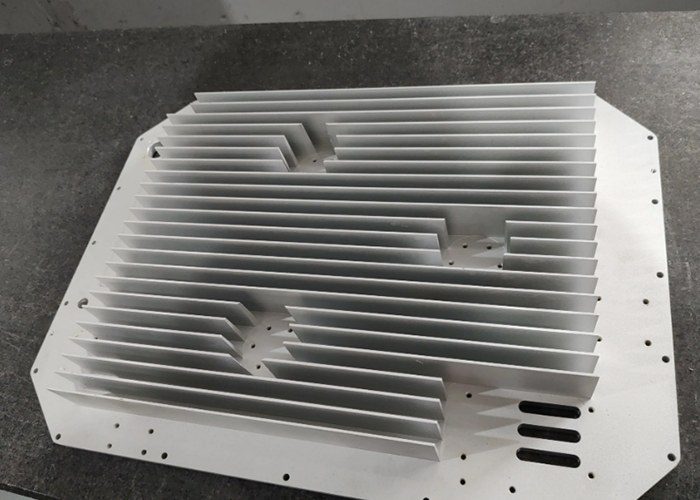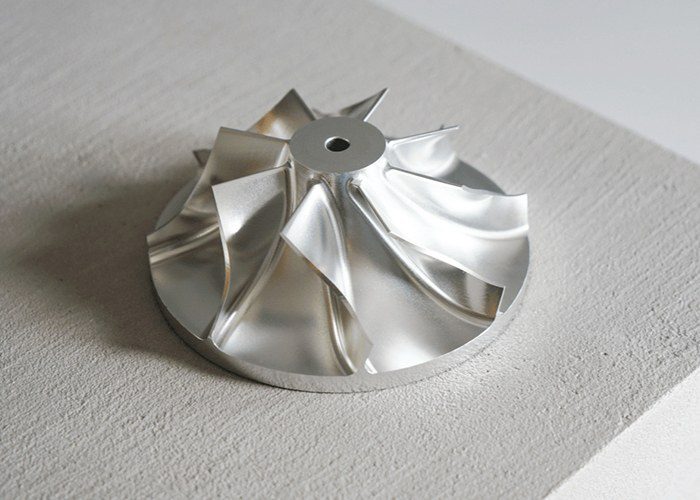
In the modern manufacturing landscape, few technologies have reshaped production capabilities as profoundly as Computer Numerical Control (CNC) lathe machining. Specifically tailored for metal parts, this subtractive manufacturing process combines automated precision with the inherent strength and durability of metals, delivering components that meet the most demanding industrial specifications. From aerospace turbines to medical implants, CNC lathe machining has become the backbone of high-quality metal part production.
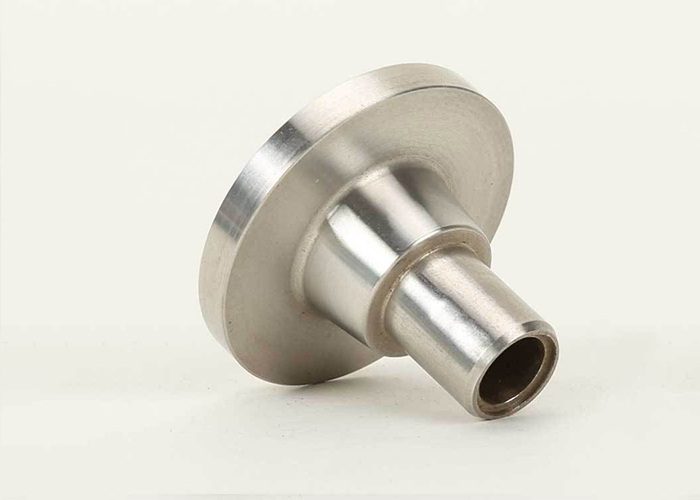
What Is CNC Lathe Machining?
A CNC lathe is a sophisticated machine tool that rotates a metal workpiece on its axis while stationary cutting tools remove material to create symmetrical, cylindrical, or contoured shapes. Unlike manual lathes, which require constant operator intervention, CNC lathes follow pre-programmed instructions—code that dictates every movement, speed, feed rate, and tool change. The result is a fully automated process capable of producing identical metal parts with micron-level accuracy, run after run.
The term “metal parts” encompasses a wide spectrum of materials: aluminum, steel, stainless steel, brass, copper, titanium, Inconel, and even exotic alloys. Each metal presents unique machining characteristics—hardness, thermal conductivity, chip formation—and CNC lathes can be optimized with appropriate tooling, coolant, and cutting parameters to handle them effectively.
The Machining Process: From CAD to Finished Part
The journey of a CNC-lathed metal part begins with a digital design, typically a CAD (Computer-Aided Design) file. Engineers then convert this model into a CAM (Computer-Aided Manufacturing) program, which generates the G-code that guides the lathe. Once the code is verified, a metal rod or pre-formed blank is loaded into the lathe’s spindle chuck. The spindle rotates the workpiece at a precisely controlled RPM, while a turret holding various cutting tools moves along the X (cross) and Z (longitudinal) axes.
Operations performed on a CNC lathe include:
- Turning: Reducing the diameter of the metal rod to a specified size.
- Facing: Creating a flat reference surface at the part’s end.
- Boring: Enlarging or finishing existing holes.
- Threading: Cutting internal or external screw threads.
- Grooving/Parting: Cutting grooves or separating finished parts from the stock.
- Drilling and Tapping: Adding holes and threads using live tooling on advanced lathes.
Modern CNC lathes often feature live tooling and Y-axis capability, allowing milling, drilling, and off-axis operations without removing the part from the machine. This “turn-mill” capability drastically reduces setup time and improves concentricity.
Key Advantages for Metal Parts
Why choose CNC lathe machining over other methods like casting, forging, or 3D printing? Several compelling reasons:
1. Unmatched Precision and Repeatability
CNC lathes routinely achieve tolerances of ±0.005 mm (0.0002 inches) or better. For critical metal parts—like shafts, bushings, or valve bodies—this level of accuracy ensures proper fit, function, and interchangeability. Once a program is proven, the thousandth part will be identical to the first.
2. Superior Surface Finish
The continuous cutting action and rigid machine construction produce smooth surface finishes (Ra as low as 0.4 µm). Many metal parts require this finish for sealing surfaces, bearing journals, or aesthetic appeal, often eliminating the need for secondary polishing.
3. Material Efficiency
Unlike additive methods that can introduce porosity, CNC turning removes metal precisely, generating swarf (chips) that can be recycled. Minimal waste compared to casting (with runners and risers) or forging (with flash). High-value metals like titanium or Inconel benefit especially from this efficiency.
4. Complex Geometries in One Setup
With multi-axis CNC lathes and live tooling, parts that once required separate milling, drilling, and turning operations can be completed in a single clamping. This reduces errors from repositioning and shortens lead times dramatically.
5. Scalability from Prototype to Production
One CNC lathe program can machine a single prototype piece just as easily as 10,000 production parts. Setup time is minimal for small batches, and unattended “lights-out” machining enables overnight runs for high volumes.
Common Metal Parts Produced by CNC Lathe
The versatility of CNC turning makes it indispensable across industries:
- Automotive: Engine pistons, brake rotors, transmission shafts, wheel hubs, and fuel injector components.
- Aerospace: Landing gear struts, hydraulic fittings, turbine discs, and structural rings—often from heat-resistant superalloys.
- Medical: Bone screws, surgical instrument handles, dental implant abutments, and joint replacement trial components (e.g., femoral heads).
- Oil & Gas: Valve bodies, wellhead connectors, drill pipe connections, and pump shafts require corrosion-resistant stainless steel or duplex alloys.
- General Industrial: Pulleys, gear blanks, bearing races, threaded rods, custom bushings, and roller conveyor parts.
Material Considerations
Selecting the right metal for CNC lathe machining involves balancing machinability, strength, weight, and cost.
- Aluminum (6061, 7075): Extremely machinable, light, and corrosion-resistant. Ideal for electronic housings, drone parts, and automotive brackets. Achieves excellent surface finish.
- Stainless Steel (303, 304, 316): Offers good strength and superior corrosion resistance. 303 is free-machining; 316 is marine-grade. Common for food equipment, medical devices, and shafting.
- Mild Steel (1018, 12L14): Easy to machine and low-cost, perfect for non-critical parts, prototypes, and industrial components.
- Brass (C360): Excellent machinability, attractive finish, and good electrical conductivity. Used for fittings, valve stems, and decorative hardware.
- Titanium (Grade 2, Grade 5): High strength-to-weight ratio, biocompatible, but more difficult to machine. Requires sharp tools, low cutting speeds, and high-pressure coolant. Prevalent in aerospace and implants.
- Copper (C101, C110): Excellent thermal/electrical conductivity but gummy and prone to burr formation. Used for electrical terminals and heat sinks.
Programming and Tooling Best Practices
To maximize success with CNC lathe machining of metal parts, programmers and machinists must consider:
- Cutting parameters: Speeds and feeds must match the metal’s hardness. Too slow causes work hardening; too fast leads to tool wear or breakage.
- Tool geometry: Carbide inserts with specific chip breakers, rake angles, and coatings (TiN, TiAlN, AlTiN) optimize chip evacuation and tool life.
- Coolant strategy: Flood coolant, high-pressure through-tool coolant, or minimum quantity lubrication (MQL) reduces heat and improves surface finish.
- Workholding: Chucks, collets, or mandrels must grip the workpiece securely without deformation, especially for thin-walled or soft metal parts.
Limitations and Challenges
No process is perfect. CNC lathe machining has limitations:
- Only rotationally symmetrical parts: While live tooling adds some milling capability, complex prismatic shapes are better suited to CNC milling centers.
- Material waste as chips: Though recyclable, it is still less material-efficient than near-net-shape processes like cold heading or powder metallurgy.
- High initial investment: Professional CNC lathes, tooling, and programming software require significant capital, though contract machining services mitigate this for small buyers.
- Skilled labor shortage: Programming, setup, and troubleshooting require experienced machinists who understand metal behavior and G-code.
The Future of CNC Lathe Machining for Metal Parts
Industry 4.0 is transforming CNC turning. Smart sensors monitor tool wear, vibration, and thermal drift in real time, automatically adjusting feeds to maintain quality. Automation with robotic loaders and bar feeders enables 24/7 production. Meanwhile, hybrid machines that combine additive deposition (laser cladding) with subtractive turning allow repair of expensive metal parts or fabrication of bimetallic components.
Sustainability also drives innovation: dry machining (without coolant) using coated tools and cryogenic cooling with liquid CO₂ or nitrogen reduce environmental impact while machining difficult metals like titanium.
Conclusion
CNC lathe machining remains a cornerstone of metal parts manufacturing because it delivers precision, repeatability, and efficiency that few processes can match. Whether turning a simple aluminum bushing or a complex titanium aerospace fitting, the combination of rigid machine tools, intelligent programming, and cutting-edge tooling ensures that modern industry has a reliable method for creating high-quality cylindrical components. As materials evolve and automation deepens, CNC turning will continue to adapt—proving that even in an age of additive manufacturing, the lathe is far from obsolete.
For engineers, purchasing managers, and product designers, understanding the capabilities and best practices of CNC lathe machining is essential to selecting the right process for their metal parts, balancing cost, quality, and lead time to achieve optimal results.