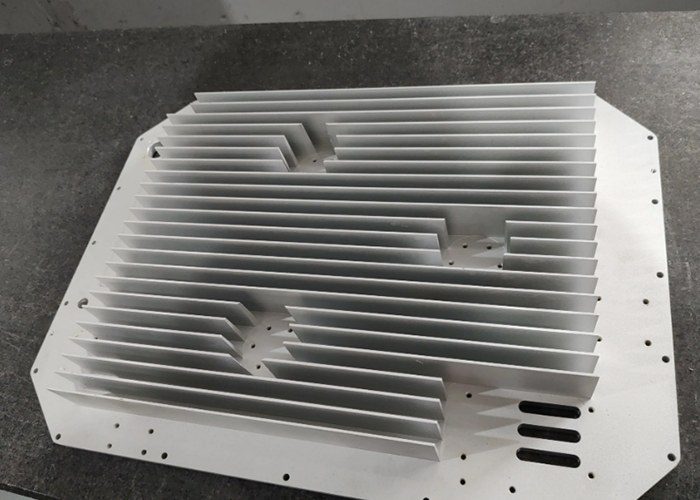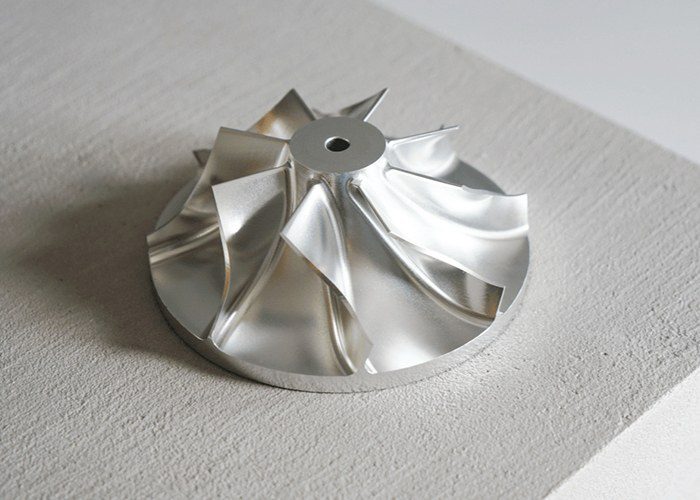
For centuries, cast iron has been the workhorse of industry. Synonymous with strength, durability, and heat dissipation, its rough, gritty character defined everything from engine blocks to architectural columns. However, its traditional reputation was also linked to weight, brittleness, and a surface finish that was functional at best. The arrival of Computer Numerical Control (CNC) machining catalyzed a silent revolution, transmuting this venerable material into a component of high precision and refined performance. Today, CNC machined cast iron parts represent a powerful synergy of traditional material science and digital-age precision, enabling feats of engineering that were previously unattainable.
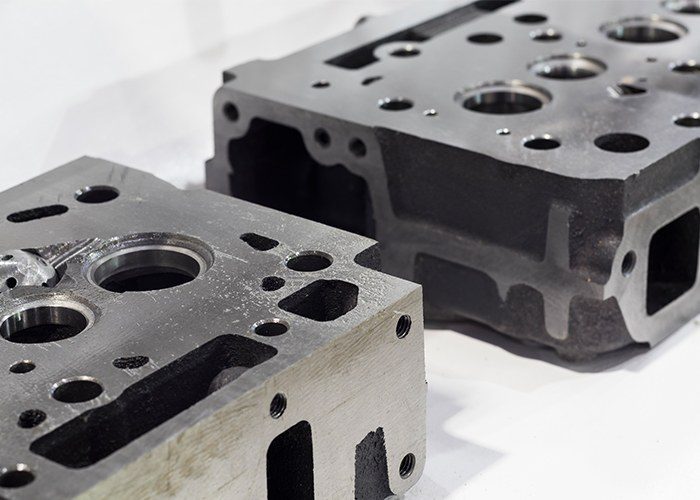
The core of this transformation lies in the complementary relationship between casting and machining. The casting process excels at creating complex, near-net-shape geometries efficiently and economically, particularly for medium to high-volume production. It creates the robust internal grain structure responsible for cast iron’s excellent vibration damping—a critical property for bases and frames. This is especially true for grades like ductile iron (SG iron) and gray iron, and components in high-stress environments like presses or machine tools. However, the casting process alone cannot achieve the tight tolerances, flawless sealing surfaces, or precise mating features required by modern machinery.
This is where CNC machining takes the baton. A CNC mill or lathe, guided by digital blueprints, performs a symphony of subtractive operations on the cast iron blank. It machines mounting faces to a mirror-like flatness within microns, ensuring perfect alignment. It bores holes and creates threaded ports with exceptional positional accuracy and surface integrity. Intricate contours, grooves, and profiles are sculpted with a consistency impossible with manual methods. The machining process also unlocks the full potential of cast iron’s properties: by removing the outer skin and any residual sand, it reveals a more uniform material structure, further enhancing its performance.
The advantages of this hybrid manufacturing approach are profound. First and foremost is precision and repeatability. CNC machining delivers dimensional accuracies that ensure interoperability and reliability in assembly. A CNC-machined cast iron pump housing, for example, will seal perfectly every time, preventing leaks and maintaining system pressure. Second is enhanced performance. Machining optimizes load-bearing surfaces, improves fluid dynamics in valve bodies, and creates precise bearing seats, directly contributing to efficiency and longevity. Third is design flexibility. Engineers can design complex parts optimized for function, knowing that the castability of iron for the main body and the machinability of specific features are both achievable.
The application spectrum for CNC machined cast iron parts is vast and critical to heavy and precision industries. In automotive and heavy vehicle manufacturing, they form the backbone of engines (cylinder blocks, heads), transmissions, and heavy-duty brake components. In industrial machinery, they are the massive, vibration-dampening beds for CNC machine tools themselves, as well as frames for presses, injection molders, and compressors. Valve bodies and pump casings, critical components in oil & gas and hydraulic systems, are relied upon in the energy sector for their ability to maintain strength under high pressure. Even in renewable energy, giant cast iron hubs for wind turbines are meticulously CNC machined to ensure perfect alignment of blades and drivetrains.
However, machining cast iron presents several challenges. Its abrasiveness demands rigid machine tools and wear-resistant carbide or ceramic cutting inserts. The continuous micro-scale chips (especially with gray iron) require efficient evacuation systems. Furthermore, machining stresses must be managed, and the process often involves multiple setups to access all features of a complex casting. Successful production hinges on expertise in fixturing, toolpath strategy, and cutting parameters to balance speed, tool life, and surface finish.
Looking ahead, the future of CNC machined cast iron parts is intertwined with Industry 4.0. The integration of CAD/CAM software allows for the seamless translation of design into machining instructions. Advanced simulation software predicts and compensates for thermal deformation during cutting. On-machine probing verifies dimensions in-process, ensuring quality control. The combination of 3D sand printing for casting molds and 5-axis CNC machining is pushing the boundaries of geometric complexity, allowing for lightweight, topology-optimized parts that were impossible to cast or machine just a few years ago.
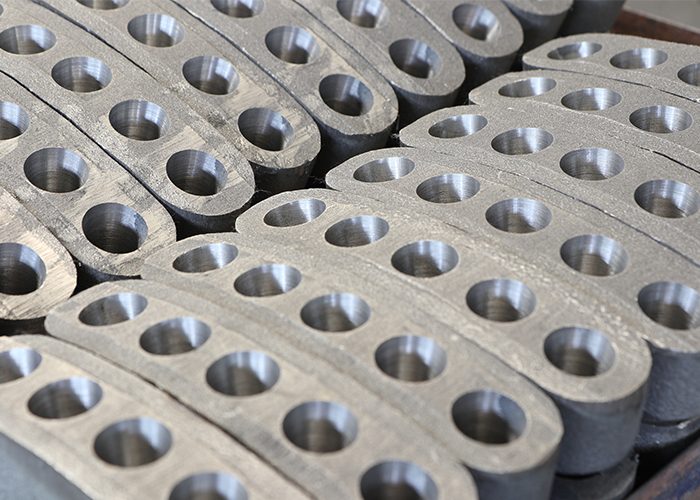
In conclusion, CNC machined cast iron parts are far more than mere lumps of metal. They are the embodiment of a mature material reborn through digital precision. This partnership has elevated cast iron from its foundational role to a key enabler of accuracy, reliability, and innovation in the most demanding industrial applications. It is a testament to how advanced manufacturing processes can unlock new potential in classic materials, ensuring that the venerable strength of cast iron continues to support and shape our engineered world with unwavering precision.