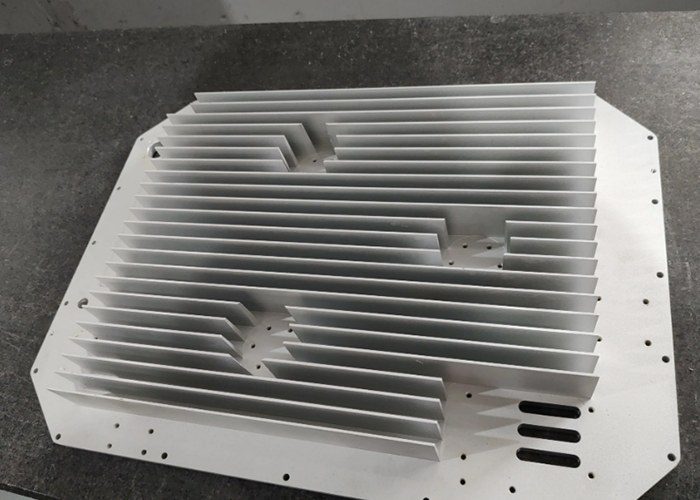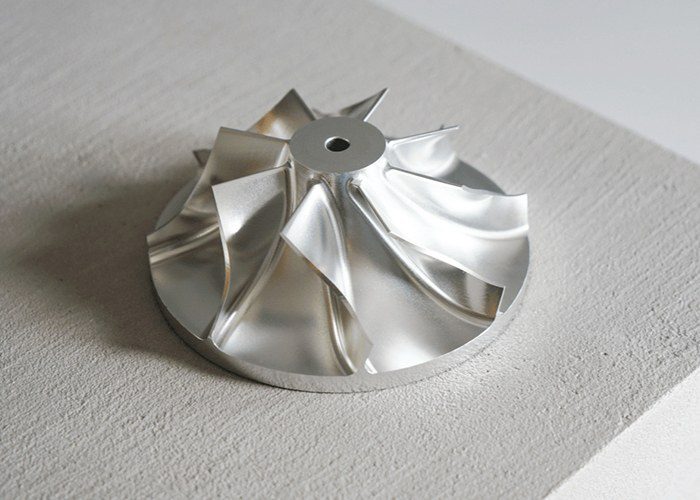
In the intricate world of modern manufacturing, where materials vie for dominance based on strength, cost, and versatility, carbon steel stands as a quiet titan. Its transformation into precision components via Computer Numerical Control (CNC) machining represents a cornerstone of industrial production, blending timeless material science with cutting-edge technology. Carbon steel CNC machined parts are not merely products; they are the fundamental, reliable building blocks in countless machines and structures that power our world.
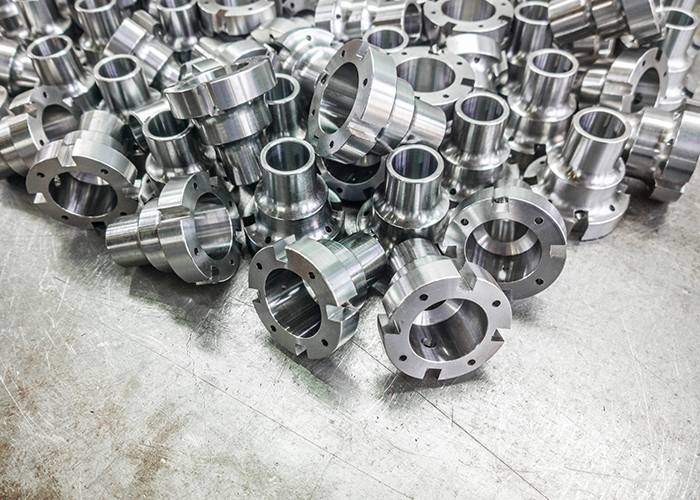
Carbon steel, an alloy of iron and carbon, derives its formidable reputation from a deceptively simple composition. The carbon content, typically ranging from 0.05% to 2.1%, fundamentally alters the properties of pure iron. As carbon percentage increases, so do hardness and tensile strength, though often at the expense of ductility. This allows for a spectrum of carbon steels—from low-carbon (mild) steels like 1018, known for excellent weldability and formability, to medium-carbon grades like 1045 offering a balance of strength and toughness, and high-carbon steels like 1095, providing supreme hardness for cutting tools and blades. This inherent scalability makes carbon steel a versatile candidate for CNC machining, capable of meeting diverse mechanical demands.
The marriage of carbon steel to CNC machining is a partnership of brute force and exquisite control. CNC machining is a subtractive process where computer programs control the movement of factory tools and machinery.
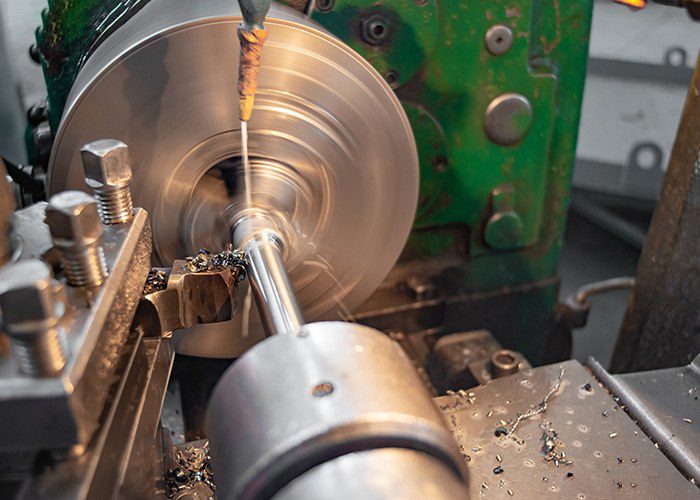
CNC machining is a subtractive manufacturing process that uses digital instructions to control tools and machinery. This process is exceptionally well-suited to carbon steel’s character. CNC milling, turning, drilling, and grinding operations can shape even the toughest grades of carbon steel with tolerances measured in microns. The machines’ rigidity withstands the significant cutting forces involved, while advanced tooling—often carbide or ceramic inserts—manages the material’s abrasiveness and tendency to work-harden.
The primary advantage of this union is the creation of parts with exceptional dimensional accuracy and repeatability. A CNC program, once verified, can produce ten or ten thousand identical carbon steel components, each a perfect replica. This is paramount for assembly lines, machinery repair, and any application requiring interchangeability. Furthermore, CNC machining offers unmatched design freedom. Complex geometries—intricate pockets, precise internal channels, contoured surfaces, and sophisticated threaded features—that would be impossible or prohibitively expensive with conventional forging or casting are machined with relative ease. This enables engineers to design for optimal function without being unduly constrained by manufacturing limitations.
The applications of carbon steel CNC machined parts are as vast as industry itself. They form the robust skeleton of heavy machinery—gears, shafts, hydraulic valve bodies, and engine components that endure tremendous stress and strain. In the automotive and aerospace sectors, they appear as critical brackets, couplings, and actuator parts, valued for their fatigue resistance. The construction and agricultural equipment industries rely on them for durable pins, sprockets, and linkage arms. Beyond brute strength, precision-machined carbon steel parts are also found in industrial automation as jigs, fixtures, and tooling plates, where flatness and precise locating holes are crucial for assembling other products. Even everyday objects, from high-end locks to parts of musical equipment, often depend on the unassuming reliability of a machined carbon steel component.
Choosing carbon steel for a CNC project involves several key considerations. Material selection is the first critical step, balancing required strength, machinability, and potential need for subsequent heat treatment (like quenching and tempering) to enhance properties. Design for Manufacturability (DFM) is crucial; sharp internal corners should be avoided to accommodate tool radii, and deep, narrow cavities may pose machining challenges. Furthermore, carbon steel’s kryptonite—corrosion—must be addressed. While protective coatings like zinc plating, black oxide, or powder coating are common and effective solutions, this adds a post-processing step. For applications demanding both high strength and corrosion resistance, alternatives like stainless steel might be evaluated, though often at a higher material cost.
In conclusion, carbon steel CNC machined parts embody a perfect synergy of traditional material excellence and modern precision engineering. They offer a compelling proposition: the proven strength, durability, and cost-effectiveness of carbon steel, refined by the accuracy, complexity, and consistency of CNC machining. In a landscape increasingly fascinated by advanced composites and exotic alloys, carbon steel components remain irreplaceable. They are the workhorses of industry—not always on the cutting edge of material science, but always on the front lines of application, providing unwavering strength and reliable performance in the machines that build, power, and move our civilization. As long as there is a need for strong, affordable, and precisely made metal parts, carbon steel, shaped by the digital hand of CNC, will continue to be a fundamental pillar of manufacturing.