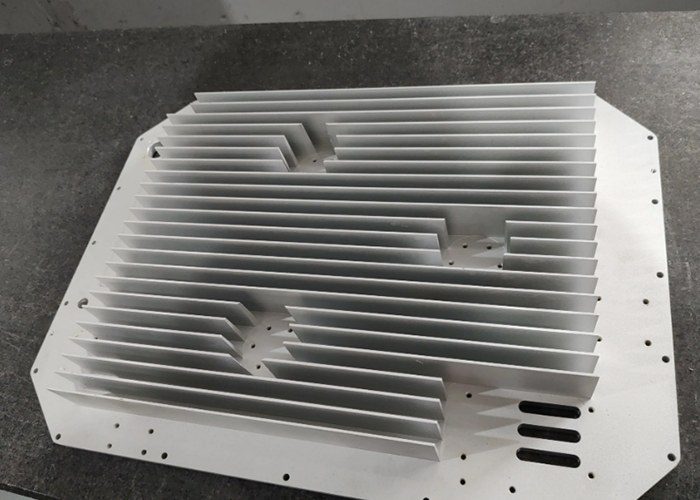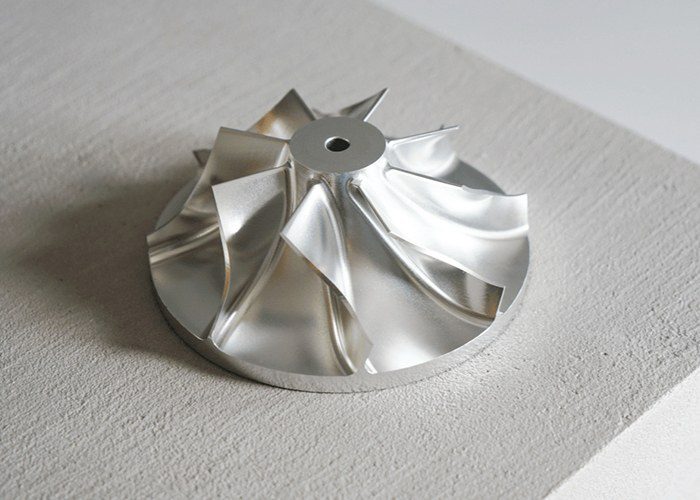
In the vast ecosystem of manufacturing and engineering, few materials have achieved the ubiquity and reliability of carbon steel. From the smallest screw in a wristwatch to the massive girders of a suspension bridge, carbon steel parts form the literal and figurative backbone of modern industry. This article explores the composition, classification, manufacturing processes, advantages, and key applications of these essential components.
What Are Carbon Steel Parts?
Carbon steel is an iron-carbon alloy, with the carbon content typically ranging from 0.05% to 2.1% by weight. Unlike stainless or alloy steels, carbon steel contains only trace amounts of other elements such as chromium, nickel, or molybdenum. The mechanical properties of a carbon steel part are almost entirely dictated by its carbon percentage, which directly influences hardness, ductility, tensile strength, and machinability.
The Three Main Categories
Carbon steel parts are broadly divided into three categories based on their carbon content:
1. Low Carbon Steel (Mild Steel) – Up to 0.30% Carbon
Low carbon steel is the most common and least expensive type. These parts are highly ductile, tough, and easy to machine and weld. They are not hardenable by heat treatment, so strength is usually increased by cold working. Typical applications include automobile body panels, structural beams, pipes, and stamped components.
2. Medium Carbon Steel – 0.31% to 0.60% Carbon
This grade offers a well-balanced combination of strength and ductility. After heat treatment (quenching and tempering), medium carbon steel parts achieve excellent wear resistance and toughness. Common uses include railway wheels, gears, crankshafts, and machinery components that require high strength without brittleness.
3. High Carbon Steel – 0.61% to 2.1% Carbon
High carbon steel is extremely hard and strong, but also less ductile and more difficult to weld. Parts made from this material excel in wear-resistant applications. Examples include cutting tools, dies, springs, high-strength wires, and masonry nails.
Manufacturing Processes
Creating finished carbon steel parts involves a variety of fabrication techniques, each chosen based on the desired shape, tolerance, and volume.
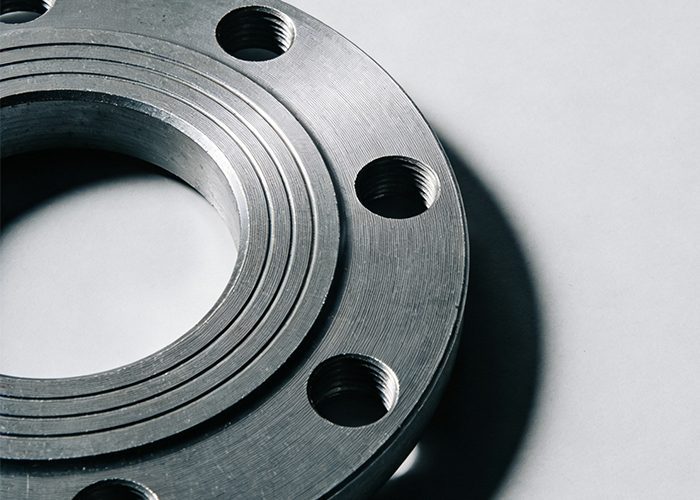
- Forging: Heated carbon steel is hammered or pressed into shape. Forged parts have a refined grain structure, resulting in superior mechanical properties. Connecting rods, hand tools, and flanges are commonly forged.
- Machining: CNC turning, milling, and drilling are used for parts requiring tight tolerances. Low- and medium-carbon steels are especially machinable, making them ideal for custom or low-volume production.
- Casting: Molten carbon steel is poured into a mold to create complex shapes. This is cost-effective for large parts like valve bodies, pump housings, and heavy machinery components.
- Stamping and Cold Forming: Thin sheets of low-carbon steel are pressed into shape. This high-speed process produces millions of identical parts, such as clips, brackets, and automotive panels.
- Powder Metallurgy: Fine carbon steel powder is compacted and sintered to make net-shape parts. This method reduces waste and is used for gears, bushings, and small structural components.
Heat Treatment and Surface Finishing
The versatility of carbon steel parts is greatly expanded by post-processing treatments.
Heat Treatment Processes:
- Annealing: Softens the steel, relieving internal stresses and improving machinability.
- Normalizing: Refines grain structure for uniform hardness.
- Quenching and Tempering: Increases hardness and strength (especially for medium/high carbon steels) while reducing brittleness.
Surface Finishing:
Carbon steel’s main weakness is its susceptibility to rust. Therefore, protective coatings are essential for many applications:
- Zinc Plating (Galvanization): Provides sacrificial corrosion protection.
- Black Oxide: Offers mild corrosion resistance and a dark, anti-glare finish.
- Phosphate Coating: Improves paint adhesion and provides a base for oil or wax.
- Powder Coating or Painting: Creates a durable, aesthetic barrier.
Advantages of Carbon Steel Parts
Why do engineers choose carbon steel over stainless steel, aluminum, or polymers? The answer lies in several compelling benefits:
- Cost-Effectiveness: Carbon steel is significantly cheaper than stainless steel, titanium, or nickel alloys. For high-volume production, this is a decisive factor.
- High Strength and Toughness: Especially in medium and high carbon ranges, these parts can withstand heavy loads and impact without fracturing.
- Excellent Machinability: Low-carbon steel (e.g., 1018, A36) machines easily, extending tool life and reducing production time.
- Weldability: Most low-carbon steels can be welded without special precautions, allowing complex assemblies.
- Availability: Carbon steel is produced in a vast array of shapes (bars, sheets, pipes, plates) and is stocked by suppliers worldwide.
Limitations and Mitigations
No material is perfect. Carbon steel parts have two primary drawbacks:
- Corrosion: Without a protective coating, carbon steel rusts rapidly in humid or wet environments. The solution is proper finishing, regular maintenance, or application of corrosion inhibitors.
- Weight: Carbon steel is denser than aluminum or composites, making it unsuitable for weight-critical applications like aerospace components.
Key Industrial Applications
The sheer scale of carbon steel usage is staggering. Here are some sectors where carbon steel parts are indispensable:
- Automotive: Chassis components, suspension arms, gears, axles, brake rotors, and engine brackets.
- Construction: Rebar, structural beams, nuts, bolts, and anchor plates.
- Energy: Pipeline fittings, wind turbine towers, oil drilling equipment, and pressure vessels.
- Agriculture: Plowshares, harrow discs, tractor linkages, and grain augers.
- Hardware and Tools: Wrenches, hammers, chisels, saw blades, and garden tools.
- General Machinery: Shafts, pulleys, sprockets, housings, and fasteners.
Conclusion
Carbon steel parts are not glamorous. They rarely make headlines. Yet they quietly underpin nearly every aspect of our built environment. From the car you drive to the building you work in, from the tools in your workshop to the pipes delivering clean water, carbon steel offers an unmatched combination of strength, workability, and economy. By understanding the different grades and proper protective treatments, engineers and manufacturers can harness the full potential of this ancient yet ever-modern material. As industries evolve toward sustainability, carbon steel remains fully recyclable—ensuring that its parts will continue to serve as the world’s workhorse for generations to come.