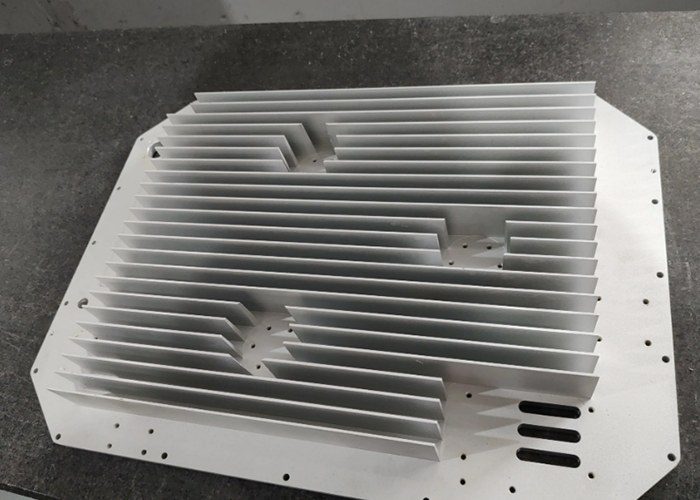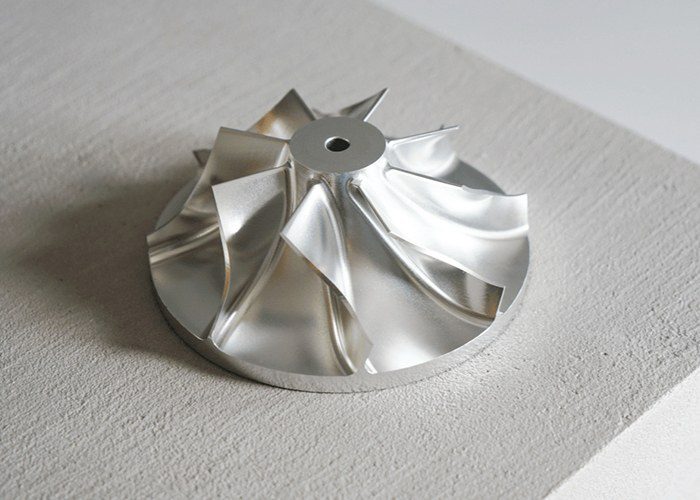
In an era defined by technological miniaturization, electrification, and ever-tightening performance standards, the humble machined component has become an unlikely strategic asset. Original Equipment Manufacturer (OEM) precision machine components—parts produced by specialized third-party manufacturers to exacting engineering specifications—form the silent backbone of virtually every advanced industry today. From the turbine blades of commercial aircraft to the miniature actuators in robotic surgical systems, these components enable the functionality, safety, and reliability that modern consumers and industries have come to expect. The global precision parts market, valued at approximately USD 213.72 billion in 2024, is projected to grow at a robust compound annual rate of 9.79% through 2035—a testament to the indispensable role these components play in the world’s most sophisticated manufacturing ecosystems.
The Technology Behind the Precision
At the heart of OEM precision component manufacturing lies Computer Numerical Control (CNC) machining—a technology that has revolutionized how parts are designed, prototyped, and produced at scale. The process begins with computer-aided design (CAD) software, which generates a three-dimensional model of the component. This digital blueprint is then translated into machine instructions that guide cutting tools with astonishing accuracy. Modern workshops are equipped with multi-axis CNC systems—including 4-axis and 5-axis machining centers—that can produce intricate, multi-feature components in a single setup. This capability eliminates fixturing errors, reduces lead times, and dramatically improves surface quality. The most advanced operations achieve tolerances as tight as ±0.005mm—roughly one-twentieth the thickness of a human hair—a level of precision that was unthinkable just a generation ago.
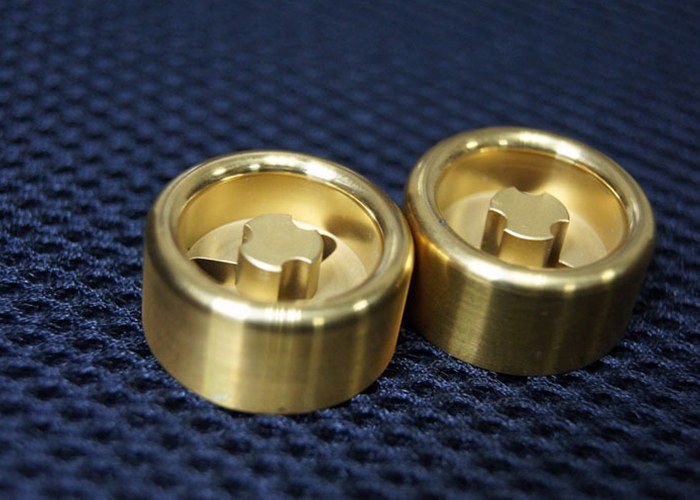
The materials processed by these machines are equally sophisticated. OEM precision manufacturers work with an extensive portfolio that includes aerospace-grade aluminum alloys (6061-T6, 7075-T6, 2024), stainless steels (304, 316), titanium, brass, copper, engineering plastics like PEEK and PTFE, and exotic superalloys such as Inconel and Monel. Each material presents unique machining challenges—from the heat-affected zones of titanium to the abrasive nature of carbon-fiber composites—demanding specialized tooling, cutting strategies, and coolant systems.
Quality: The Non-Negotiable Standard
In the world of OEM precision components, quality is not a luxury—it is a contractual obligation. Acceptance standards have evolved from simple dimensional checks into comprehensive, multi-dimensional evaluation systems that cover dimensional accuracy, geometric tolerances, surface quality, and functional consistency. Key fit dimensions must strictly meet drawing tolerances; otherwise, assembly function is compromised. Geometric tolerances—including flatness, roundness, perpendicularity, and coaxiality—are scrutinized with equal rigor, as even subtle deviations can affect sealing performance, dynamic balance, or transmission stability.
To enforce these standards, leading manufacturers employ coordinate measuring machines (CMM), laser scanning systems, and optical comparators in climate-controlled inspection rooms. Every shipment is accompanied by comprehensive inspection reports, ensuring complete traceability for regulated industries. Certifications such as ISO 9001:2015, AS9100:2016 (aerospace), and IATF 16949:2016 (automotive) serve as benchmarks for quality management systems, process validation, and material integrity. Batch consistency is equally critical—dimensional deviation between multiple parts must be kept within a very small range, and different production batches must maintain stable dimensional consistency to ensure interchangeability.
Industries Transformed by Precision
The demand for OEM precision components spans virtually every advanced manufacturing sector, but three industries stand out for their particularly exacting requirements.
Aerospace and defense represent the pinnacle of precision manufacturing. Growing aircraft production to address record OEM backlogs, combined with the rising adoption of advanced machining technologies, is shaping the market landscape. Components must withstand extreme temperatures, pressures, and cyclic loads while maintaining dimensional stability over decades of service. The expanding use of hard-to-machine materials—titanium, Inconel, and advanced composites—has made precision machining capabilities a critical differentiator.
Automotive manufacturing is undergoing a profound transformation driven by electrification. Electric vehicles require fundamentally different components than traditional internal combustion engine vehicles—electric powertrains, battery management systems, lightweight structural assemblies, and thermal management solutions. As automakers retool production lines to accommodate new vehicle architectures, demand for highly customized and scalable precision parts is accelerating.
Medical device manufacturing demands precision at the microscopic scale. The need for highly accurate and customized components has skyrocketed as healthcare moves toward more complex and minimally invasive surgical tools, implants, and diagnostic equipment. Precision machining enables the production of tiny, intricate parts with the tight tolerances required for medical devices, where precision is critical to ensure safety and performance. The increasing demand for personalized medical treatments—custom prosthetics and patient-specific implants—is further fueling growth in this sector.
The Strategic Imperative of Supplier Selection
For OEMs, selecting the right precision component partner is a strategic decision with far-reaching consequences. Beyond favorable pricing, buyers must assess technical capability, quality consistency, responsiveness, and customization depth. Key performance indicators include on-time delivery rates (above 90% signals strong production planning), reorder rates (high repeat business indicates customer satisfaction), and response times (sub-four-hour windows demonstrate operational agility).
True OEM/ODM partners offer more than machining—they provide value-added services such as design validation, Design for Manufacturability (DFM) analysis, and finishing options including anodizing, plating, and laser engraving. Top-tier suppliers provide DFM feedback early in the process, identifying potential issues in tooling access, wall thickness, or tolerance stacking before production begins. This collaborative approach reduces rework, accelerates time-to-market, and ultimately delivers better outcomes for all stakeholders.
Looking Ahead
The future of OEM precision machining is being shaped by several powerful trends. Artificial intelligence is moving from experimental pilots to integral components of daily machine control, using real-time sensor feedback to adjust feeds, speeds, and toolpaths automatically. Digital twins—virtual replicas of the entire machining process—are becoming the production backbone, enabling virtual commissioning and clash detection long before the first chip is cut. Hybrid manufacturing, which combines additive and subtractive processes in a single platform, is gaining traction in aerospace, energy, and medical sectors. And sustainability is no longer a corporate report footnote—by 2026, it will be embedded in machining KPIs, with environmental performance tied directly to operational efficiency and customer value.
The global precision machining market, estimated at USD 123.54 billion in 2025, is projected to reach USD 228.75 billion by 2033. This growth reflects not just increasing volume but increasing complexity—components are becoming more intricate, materials more demanding, and tolerances tighter. For OEMs, the message is clear: precision machine components are no longer a commodity to be sourced on price alone. They are a strategic capability that can accelerate innovation, ensure quality, and create sustainable competitive advantage.