
In a world increasingly defined by mass production and digital precision, metal fabricating services remain the quiet, unshakable foundation upon which countless industries rely. From the skeletal frames of skyscrapers to the intricate housings of medical devices, fabricated metal components are everywhere. But what exactly are metal fabricating services, and why do they matter more than ever in today’s manufacturing landscape? This article explores the core processes, key applications, and evolving technologies that make metal fabrication an indispensable partner to engineering and innovation.
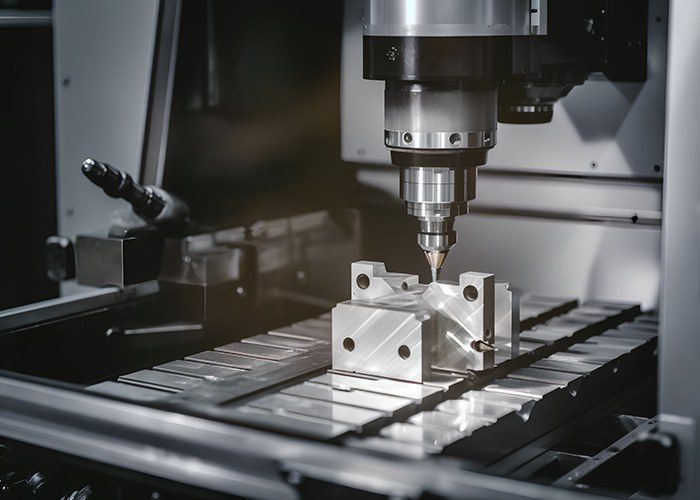
At its simplest, metal fabrication is the transformation of raw metal stock—sheets, bars, tubes, or plates—into finished products or components through cutting, bending, welding, and assembly. However, modern metal fabricating services go far beyond basic blacksmithing. They encompass a sophisticated ecosystem of techniques tailored to meet precise specifications, tolerances, and material properties. Common processes include laser cutting, waterjet cutting, plasma cutting, CNC punching, press brake forming, roll forming, stamping, welding (MIG, TIG, robotic), and finishing operations like powder coating or anodizing. Each method offers distinct advantages: laser cutting delivers unmatched accuracy on thin sheets; waterjet cutting handles heat-sensitive or ultra-thick materials; and robotic welding ensures repeatability for high-volume orders.
The range of metals processed is equally diverse. Steel—both carbon and stainless—dominates due to its strength, weldability, and corrosion resistance. Aluminum is prized for its lightweight and natural oxide layer, making it ideal for aerospace and transportation. Copper, brass, and bronze appear in electrical components and decorative architecture. Exotic alloys like Inconel, Monel, or titanium are fabricated for extreme environments, from chemical plants to deep-sea exploration gear. A competent metal fabricator must understand how each alloy responds to heat, stress, and finishing, adjusting parameters accordingly.
Who needs these services? The list is virtually endless. The automotive sector relies on fabricated chassis, brackets, exhaust systems, and battery trays—especially critical as electric vehicles demand lighter, more complex structures. Construction and infrastructure projects require steel beams, handrails, staircases, and custom architectural panels. Aerospace demands ultra-precision components for airframes, engine mounts, and landing gear. The energy industry, including oil & gas, solar, and wind, depends on fabricated piping, turbine housings, and mounting frames. Even consumer goods—kitchen appliances, office furniture, fitness equipment—start as flat metal sheets shaped by fabricators. Medical device manufacturers often turn to micro-fabrication for surgical tools, implantable devices, and hospital bed frames.
One of the greatest values of professional metal fabricating services lies in customization. While off-the-shelf parts may suffice for basic needs, engineered projects nearly always require unique geometries, hole patterns, bends, or weldments. A skilled fabricator works from CAD models or even hand sketches, advising on design for manufacturability (DFM) to reduce cost without sacrificing strength. For example, they might suggest adding a small radius to a sharp internal corner to simplify laser cutting, or rearranging weld locations to minimize distortion. This collaboration between designer and fabricator often makes the difference between a part that barely works and one that excels.
Recent technological leaps have reshaped the metal fabrication landscape. Fiber lasers, with speeds three to five times faster than CO₂ lasers, now handle reflective metals like copper and brass with ease. Automated press brakes with 3D angle measurement adjust bend angles in real time, eliminating guesswork. Industrial robots equipped with vision systems can unload parts from laser cutters, stack them, and feed downstream processes without human intervention. Meanwhile, digital shop floor management—integrating ERP systems with real-time machine monitoring—provides customers with live production updates. These advances have compressed lead times, reduced waste, and enabled low-volume, high-mix production that was previously uneconomical.
Quality control is non-negotiable in metal fabrication. Reputable shops employ a combination of in-process inspections, coordinate measuring machines (CMM), and non-destructive testing (NDT) methods such as dye penetrant or ultrasonic testing for critical welds. Certifications like ISO 9001, AS9100 (aerospace), or AWS D1.1 (structural welding) signal a commitment to traceable standards. Many fabricators also offer value-added services such as kitting, assembly, and just-in-time delivery, effectively acting as extended manufacturing partners rather than simple job shops.
Looking ahead, sustainability is becoming a differentiator. Metal fabrication is inherently energy-intensive, but forward-looking shops are investing in high-efficiency motors, regenerative drives on press brakes, and solar panels for their facilities. Scrap metal recycling—already a common practice due to material value—is being optimized with smart sorting systems. Water-based cleaners replace solvent degreasers, and powder coating overspray is recovered and reused. Customers increasingly request environmental metrics alongside cost and lead time, pushing the industry toward greener practices.
In summary, metal fabricating services are far more than a trade—they are a strategic enabler of modern engineering. Whether you need a single prototype bracket or ten thousand chassis frames, the right fabricator brings material expertise, process knowledge, and quality assurance to turn your digital design into physical reality. As additive manufacturing (3D printing of metals) grows, it will complement rather than replace traditional fabrication; many parts still require the strength, surface finish, and cost-efficiency that cutting, bending, and welding provide. For anyone involved in product development, construction, or industrial maintenance, building a strong relationship with a capable metal fabricator is not just a good idea—it’s a competitive necessity. The skeleton of our built world depends on it.


