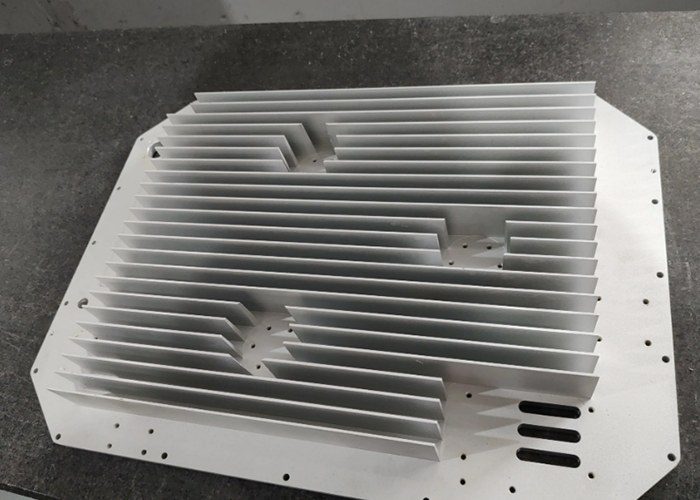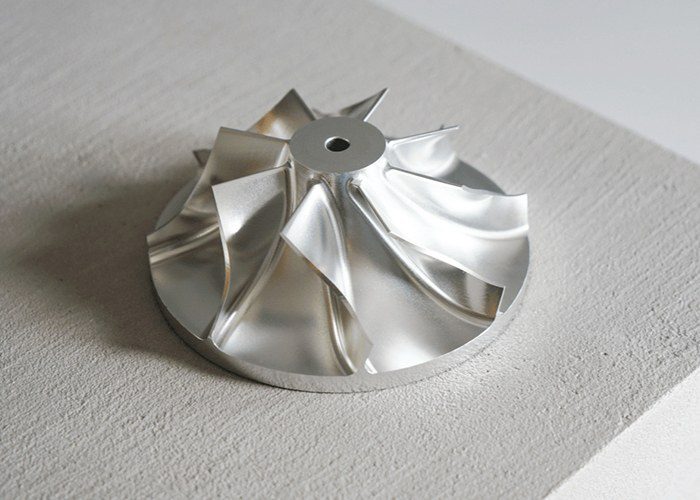
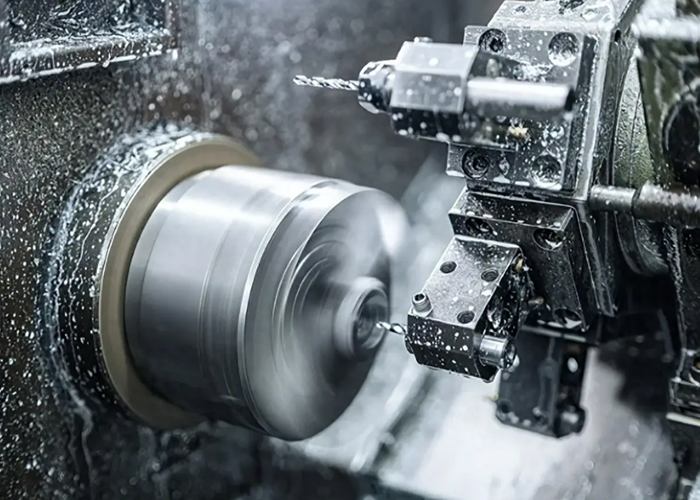
CNC turning is a precision machining process in which a cutting tool removes material from a rotating workpiece to create cylindrical, conical, threaded, or complex turned parts. When buyers search for reliable manufacturing partners, cnc turning in China has become one of the most competitive and mature options in the world. From rapid prototypes to high-volume production, Chinese machine shops offer a deep combination of skilled labor, advanced equipment, and integrated supply chains. This article explains why China has become a global hub for CNC turning, what capabilities are available, how quality is controlled, and how to choose the right supplier.
Why CNC Turning in China Is So Competitive
China’s manufacturing ecosystem is the primary reason. A single region can provide raw material, tooling, heat treatment, surface finishing, inspection, and logistics. This reduces lead times and costs. Shenzhen, Dongguan, Ningbo, Suzhou, and Qingdao have clusters of precision machining suppliers. Many shops run lights-out or multi-shift production, allowing them to handle both low-volume custom work and mass production. Labor costs are still lower than in North America and Western Europe, but the bigger advantage is scale and speed. Suppliers often quote within 24 hours, produce samples in days, and ramp to production quickly.
Capabilities and Equipment
Modern Chinese CNC turning shops use CNC lathes with live tooling, Swiss-type lathes, multi-spindle machines, and mill-turn centers. These machines can combine turning, milling, drilling, tapping, and threading in one setup. Common tolerances range from ±0.01 mm for standard work to ±0.005 mm or tighter for precision parts. Surface finishes can reach Ra 0.4 µm or better when required. Shops can handle parts from a few millimeters to large shafts and flanges. For complex geometries, 5-axis machining and automation are increasingly common. CAD/CAM software such as SolidWorks, Fusion 360, Mastercam, and Siemens NX is widely used.
Materials and Finishes
Chinese CNC turning suppliers machine a broad range of materials. Metals include aluminum 6061, 7075, 2024; stainless steel 303, 304, 316, 17-4 PH; carbon steel, alloy steel, brass, copper, bronze, titanium, and Inconel. Plastics include POM, PTFE, PEEK, ABS, acrylic, nylon, and polycarbonate. Secondary operations include anodizing, zinc plating, nickel plating, chrome plating, powder coating, black oxide, passivation, heat treatment, and laser engraving. These services are often available under one roof or through nearby partners, which simplifies sourcing.
Industries Served
CNC turning in China supports many industries. Automotive suppliers need engine components, sensor housings, bushings, and fittings. Aerospace requires lightweight, high-strength parts with strict traceability. Medical device companies need surgical instruments, implants, and fluidic components made to ISO 13485. Electronics and robotics rely on connectors, shafts, heat sinks, and precision housings. Oil and gas, marine, energy, and consumer products also use Chinese CNC turning for durable, repeatable parts.
Quality Control and Standards
Quality is a major concern for overseas buyers, and leading Chinese suppliers address it with formal systems. Many are ISO 9001 certified; automotive shops hold IATF 16949; medical suppliers follow ISO 13485; aerospace suppliers may be AS9100 certified. Inspection typically includes calipers, micrometers, height gauges, thread gauges, optical comparators, and CMM machines. Suppliers can provide first article inspection reports, PPAP documents, material certificates, heat treatment certificates, and surface finish reports. Good factories separate incoming material inspection, in-process inspection, and final inspection. Some also use SPC and traceability systems.
Cost and Lead Time Factors
Several factors affect the price of CNC turning in China: material type, part complexity, tolerance, volume, surface finish, and secondary operations. Simple turned parts in aluminum can be inexpensive, while titanium or Inconel parts with tight tolerances cost more. Higher volumes usually lower unit cost because setup and tooling are spread across more pieces. Lead times vary from 3–7 days for prototypes to 2–6 weeks for production, depending on material availability and finishing. Shipping by express, air, or sea adds time and cost. Compared with many Western suppliers, China often offers strong value, especially for medium and high volumes.
How to Choose a Reliable Supplier
Choosing the right partner is critical. Start by checking experience, certifications, and equipment lists. Ask for samples or a trial order. Review their engineering support: can they suggest design changes for manufacturability, reduce cost, or improve tolerances? Communication matters. A supplier with English-speaking engineers, clear quotations, and fast replies is easier to work with. Protect intellectual property with NDAs and avoid sharing sensitive designs until trust is established. If possible, audit the factory or use a third-party inspection service. Also consider logistics, payment terms, and after-sales support.
Challenges and Considerations
Sourcing from China is not without challenges. Quality can vary between suppliers, so verification is essential. Cultural and language differences may cause misunderstandings. Shipping delays, tariffs, and geopolitical factors can affect cost and delivery. Buyers should plan buffer stock and maintain clear contracts. Working with a reputable supplier and a reliable inspection partner reduces risk.
The Future of CNC Turning in China
Chinese CNC turning is moving toward automation, robotics, and digital manufacturing. Factories are investing in automated loading, in-line measurement, and data-driven production. Industry 4.0 tools help monitor machines and predict maintenance. Sustainability is also gaining attention, with energy-efficient equipment and recycling programs. As global demand for precision parts grows, China will likely remain a leading source for CNC turning.
Conclusion
CNC turning in China offers global buyers a powerful combination of capability, speed, and cost efficiency. By understanding available processes, quality standards, and supplier selection, companies can source precision turned parts successfully. With the right partner, China can be more than a low-cost option—it can be a strategic manufacturing base for innovation and growth.