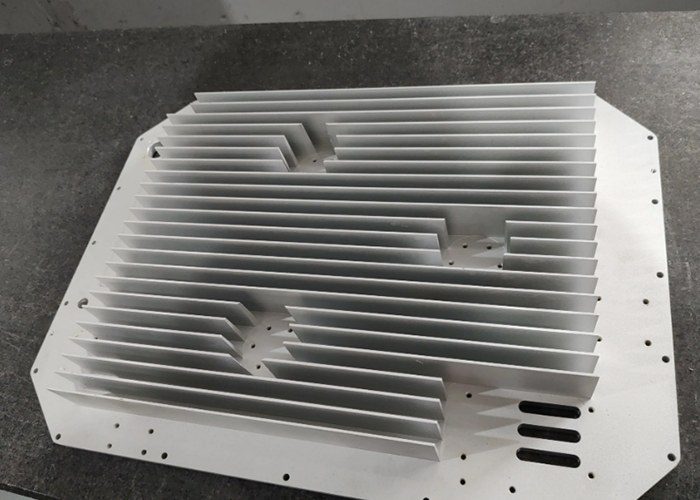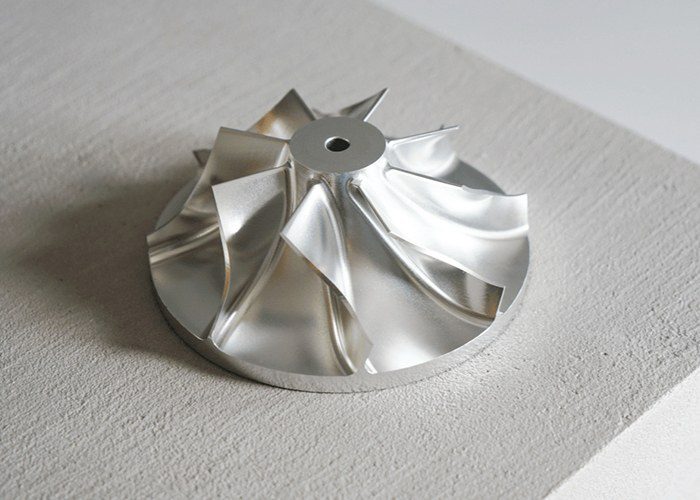
Defense CNC turning represents one of the most demanding disciplines in modern manufacturing. Unlike commercial machining, where minor deviations may be tolerable, turned components for military and aerospace platforms operate under conditions where a dimensional error of mere microns can compromise an entire system. This article examines the technologies, standards, materials, and market forces shaping this critical sector.
Precision at the Extreme
The tolerance requirements for defense applications are extraordinary. Aerospace and defense CNC manufacturing achieves tolerances as tight as ±0.0001 inches—approximately 40 times tighter than standard precision machining. Leading manufacturers routinely hold tolerances down to ±0.0002 inches on suitable part geometries. For components such as missile guidance housings, an off-axis deviation of just 0.002 inches can compromise seeker alignment and ultimately mission accuracy.
Achieving such precision requires more than capable machines. It demands a complete quality ecosystem. AS9100D certification, ITAR registration, and NADCAP accreditation for special processes are non-negotiable credentials for any supplier serving defense programs. Every critical part must be accompanied by CMM inspection reports, material certifications, and full heat-lot traceability from raw stock to finished component.
Materials That Define Capability
Defense turned components are machined from some of the most challenging materials in existence. Titanium alloys, particularly Ti-6Al-4V, are essential for strength-to-weight critical components and are widely used in missile fin actuator brackets and structural hardware. Nickel-based superalloys such as Inconel 625 and 718 dominate high-temperature applications, including missile motor cases and nozzle throat sections where operating temperatures can exceed 2,000°F. High-strength steels like 4340 and 4140 are specified for warhead casings, breech mechanisms, and firing pins, where fatigue resistance and uniform wall thickness are paramount.
Each material presents distinct machining challenges. Inconel work-hardens rapidly, demanding specialized tooling and conservative cutting parameters. Titanium’s low thermal conductivity concentrates heat at the cutting edge, requiring high-pressure coolant strategies. The ability to machine these alloys to aerospace standards separates qualified defense suppliers from general-purpose machine shops.
Applications Across Weapons and Platforms
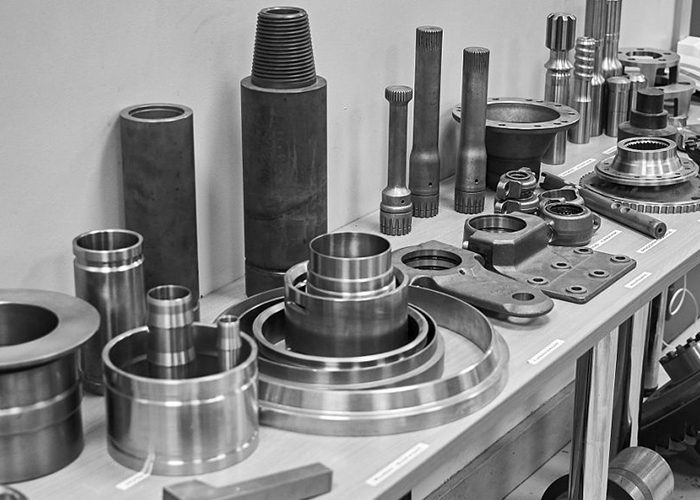
CNC turning produces a remarkably diverse range of defense components. In firing mechanisms, turned parts include barrels, breeches, firing pins, and insert rods. Aiming and control systems rely on turned spindles, drives, and locking controls, while hydraulic and pneumatic systems depend on precision-turned regulator valves and control cylinders. Firearm manufacturers utilize Swiss-type turning for components such as safety selectors, detents, and trigger components, where smooth surface finishes and exact fit are essential.
At the platform level, defense turning supports missile programs through guidance section housings, fin actuator brackets, and seeker head components. Programs including LRASM, SM-6, Javelin, and next-generation hypersonic weapons are driving sustained demand for these precision-turned parts. In aerospace applications, turned components appear in propulsion systems, turbine assemblies, and fuel delivery hardware, where reliability under extreme conditions is non-negotiable.
Market Dynamics and Strategic Shifts
The precision turned product manufacturing market is projected to grow from approximately $121 billion in 2025 to over $172 billion by 2031, representing a compound annual growth rate of 6.06%. CNC processes alone account for nearly 66% of this market share and are expanding at an even faster rate.
Defense contracts are intensifying the reshoring of precision machining supply chains. North American and European OEMs are bringing machining programs home to mitigate geopolitical and logistical risks, with defense contracts specifically requiring domestic or allied sourcing. This movement creates substantial opportunities for qualified domestic suppliers but also places pressure on capacity and workforce availability. The U.S. manufacturing sector faces a projected 2.1 million role deficit by 2030, with precision machining among the hardest positions to fill.
Technology Trends
Modern defense CNC turning increasingly integrates multi-axis and multitasking capabilities. Machines capable of turning, milling, drilling, and threading in a single setup reduce tolerance stack-up and eliminate repositioning errors that accumulate across multiple operations. Five-axis and mill-turn centers now handle complex geometries—such as the profiled bores and interrupted cuts found in breech mechanisms—that previously required dedicated fixtures and multiple setups.
Swiss-type turning has emerged as a critical capability for small-diameter defense components. By supporting the workpiece immediately adjacent to the cutting tool, Swiss machines minimize vibration and achieve micron-level precision on parts such as firing pins and optical housing components that would deflect under conventional turning forces.
Conclusion
Defense CNC turning sits at the intersection of extreme precision, exotic materials, and uncompromising quality systems. As military platforms grow more sophisticated and geopolitical pressures reshape supply chains, the demand for turned components that perform flawlessly in the harshest conditions will only intensify. Manufacturers that combine advanced multitasking equipment with rigorous certification and traceability protocols will remain indispensable partners to the defense industrial base—and by extension, to the security they help sustain.