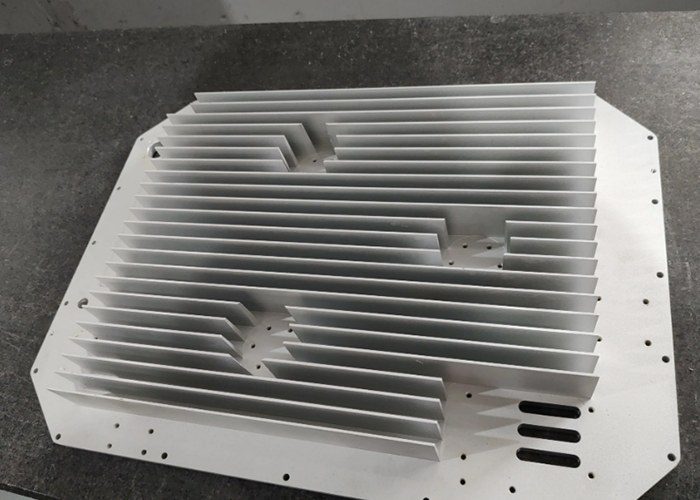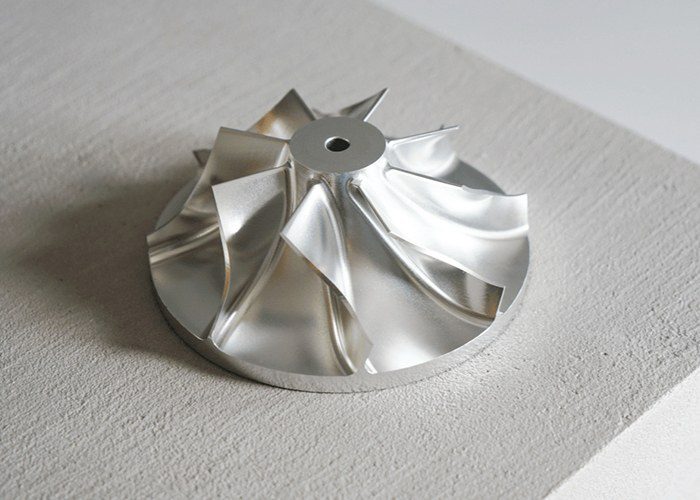
The modern automobile is a symphony of engineering, composed of thousands of components working in near-perfect harmony. From the roar of the engine to the quiet hum of an electric motor, every function depends on parts manufactured with extreme precision. At the heart of this precision lies Computer Numerical Control (CNC) machining. This subtractive manufacturing process has become the backbone of the automotive industry, transforming raw metal, plastic, and composite blocks into high-performance auto parts with tolerances measured in microns. Whether for a single prototype or a production run of millions, CNC machining delivers the consistency, complexity, and speed that modern vehicle manufacturing demands.
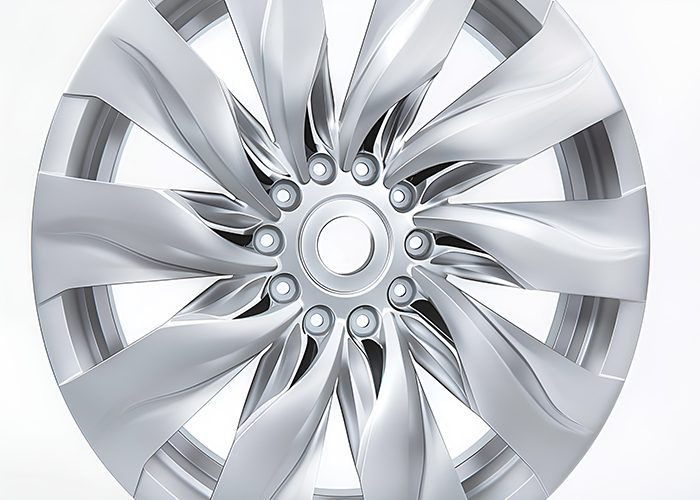
The need for CNC machining in the automotive sector is driven by two primary forces: performance and safety. An engine cylinder head, for example, must contain precisely drilled passages for coolant, oil, and air-fuel mixtures. A deviation of even 0.05mm can lead to hotspots, reduced compression, or catastrophic engine failure. Similarly, transmission gears, brake calipers, and suspension knuckles require exact geometries to withstand dynamic loads and high temperatures. Traditional manual machining cannot achieve this level of repeatability. CNC machines, guided by G-code from CAD/CAM software, follow digital blueprints with robotic fidelity, ensuring that every part leaving the production line is identical to the last.
Among the most common CNC-machined auto parts are engine blocks, pistons, connecting rods, turbocharger housings, and drivetrain components. For high-performance and racing applications, parts are often machined from solid billets of aluminum or titanium. A billet aluminum control arm, for instance, offers superior strength-to-weight ratio compared to a cast or forged equivalent, with the added benefit of complex internal lightening pockets that only a 5-axis CNC machine can produce. In the electric vehicle (EV) sector, CNC machining is indispensable for creating battery housing frames, cooling plates, and rotor shafts for electric motors. These parts often require tight sealing surfaces and intricate cooling channels, pushing the boundaries of what multi-axis milling and turning centers can achieve.
The process of CNC machining an auto part typically involves several steps. It begins with a solid block of material—aluminum (6061, 7075), steel (4140, stainless 304), brass, or engineering plastics like Delrin or PEEK. The workpiece is clamped into a CNC mill or lathe, and a series of cutting tools remove material under high-pressure coolant. Modern machining centers combine milling, drilling, tapping, and boring in a single setup, reducing errors from repositioning. For complex geometries, 4-axis or 5-axis machines rotate the part or the tool to access undercuts and compound angles in one cycle. After roughing out the bulk material, finishing passes achieve final dimensions and surface finishes as smooth as 0.4 µm Ra. Some parts then go to secondary operations like deburring, anodizing (for aluminum corrosion protection), or heat treatment to relieve residual stresses.
One of the greatest advantages of CNC machining for auto parts is material versatility. Unlike 3D printing or casting, which may be limited to specific alloys, CNC machining can handle everything from soft brass to hardened tool steel. This allows engineers to rapidly test different materials for the same part design without changing production workflows. Additionally, CNC machining produces excellent surface finish and geometric accuracy without the need for expensive molds or tooling, making it the preferred method for low-volume production, motorsport components, and replacement parts for classic cars.
However, CNC machining is not without challenges. The automotive industry demands high volumes, and traditional subtractive machining can be slower than casting or forging for simple geometries. To address this, many manufacturers use “near-net shape” preforms—cast or forged blanks that are then finish-machined on CNC machines. This hybrid approach combines the speed of bulk forming with the precision of CNC. Another challenge is tool wear. Machining hard materials like stainless steel or Inconel (used in exhaust valves and turbochargers) requires carbide or ceramic cutting tools and rigid machine setups to avoid chatter and maintain tolerances.
Quality control in CNC auto part production is rigorous. In-process probing allows machines to measure critical features during the cutting cycle and automatically compensate for tool wear. After machining, coordinate measuring machines (CMMs) and optical scanners verify every dimension against the CAD model. For safety-critical parts like steering knuckles or brake components, 100% inspection is common. Traceability is also key: each part can be serialized and linked to the specific CNC machine, tool set, and operator.
Looking ahead, the future of CNC machining for auto parts is intertwined with Industry 4.0. Smart CNC machines equipped with IoT sensors monitor vibration, temperature, and cutting forces in real time, using machine learning to predict tool breakage before it happens. Automation is rising, with robotic arms loading and unloading parts from CNC cells for lights-out manufacturing. Additionally, as automakers transition to electric and autonomous vehicles, the demand for complex, lightweight, and highly accurate machined components will only grow. From battery busbars to sensor housings for LIDAR systems, CNC machining will remain an indispensable technology.
In conclusion, CNC machining is far more than a way to cut metal—it is the enabler of modern automotive performance, reliability, and innovation. It turns engineering drawings into tangible, high-stakes components that must survive millions of kilometers of road and track. Whether it is a one-off racing piston or a millionth transmission valve body, CNC machining delivers the precision that makes every journey possible. As automotive technology evolves, so too will the capabilities of CNC machines, continuing their legacy as the silent, precise heartbeat of auto part manufacturing.