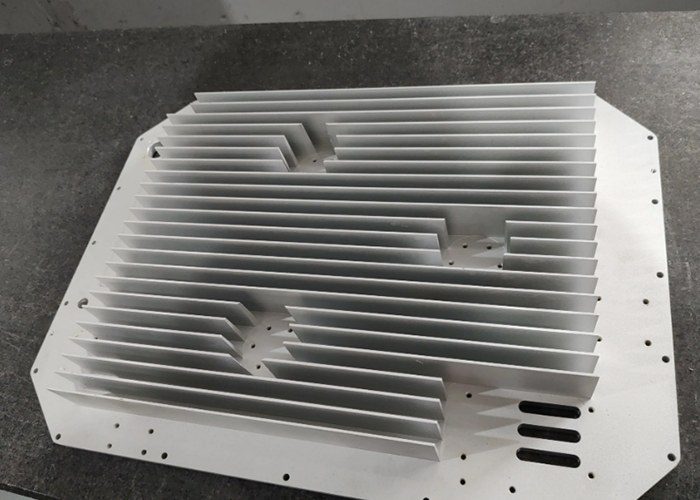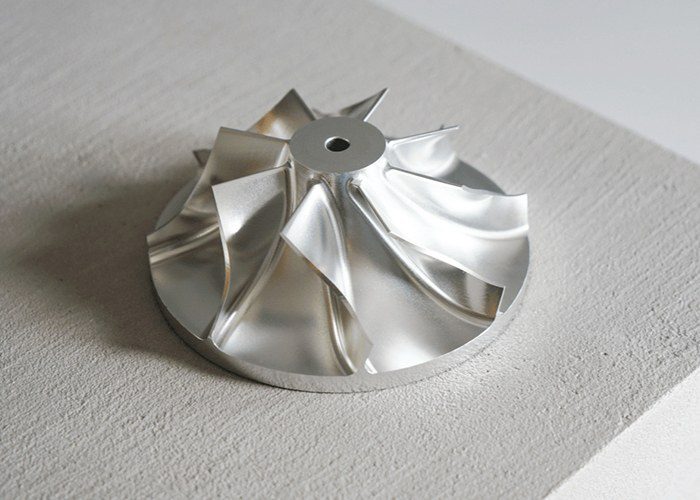
The Precision Backbone of Modern Manufacturing: Exploring Custom CNC Turning Parts
In the vast and intricate world of modern manufacturing, precision is not merely a goal; it is a fundamental requirement. Among the various machining processes that drive industrial innovation, CNC turning stands out as a cornerstone technology for producing high-quality, rotationally symmetric components. When this capability is combined with the flexibility of custom manufacturing, the result—Custom CNC Turning Parts—becomes an indispensable asset across industries ranging from aerospace to medical devices. These parts, crafted with microscopic tolerances and tailored geometries, empower engineers to push the boundaries of design, performance, and reliability. This article delves into the process, advantages, materials, and applications of custom CNC turning, illustrating why it remains a preferred choice for mission-critical components.
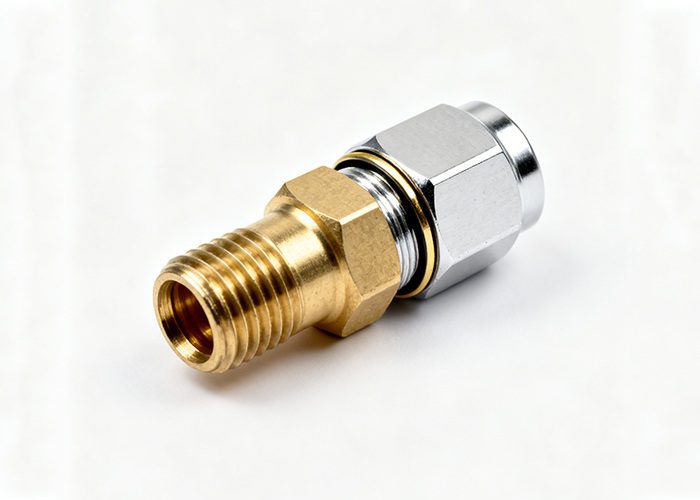
Understanding the CNC Turning Process
CNC (Computer Numerical Control) turning is a subtractive manufacturing process that uses a lathe or turning center to remove material from a rotating workpiece. Unlike milling, where the cutting tool spins, in turning, the workpiece spins at high speeds while a stationary cutting tool moves along linear axes (typically X and Z) to carve out the desired shape. The term “custom” adds a critical dimension: instead of producing standardized parts from a catalog, the machine follows a unique set of instructions—a G-code program generated from a CAD (Computer-Aided Design) model—to create parts that match exact customer specifications.
A modern CNC lathe can perform multiple operations in a single setup: turning external diameters, boring internal holes, facing, grooving, threading, knurling, and even live tooling (milling, drilling, tapping off-axis). This multitasking capability is particularly valuable for complex custom parts, as it reduces handling errors and shortens production lead times. Whether a part requires a simple cylindrical shape or an intricate geometry with eccentric features, CNC turning offers the repeatability and accuracy needed to bring any design to life.
The Paramount Advantages of Custom CNC Turning
Why do engineers and procurement specialists choose custom CNC turning over other manufacturing methods like casting, forging, or 3D printing? The answer lies in a unique combination of benefits:
- Exceptional Precision and Tight Tolerances: Standard machining might hold ±0.005 inches, but advanced CNC turning centers routinely achieve tolerances of ±0.0002 inches (5 microns) or better. This level of accuracy ensures that custom shafts, bushings, and fittings fit perfectly within assemblies, reducing vibration, wear, and premature failure.
- High Repeatability (CPk > 1.33): Once a program is validated, the machine can produce thousands of identical parts with minimal variation. Automated tool compensators and in-process probing maintain consistency across even extended production runs, making custom CNC turning ideal for both prototyping and mass production.
- Complex Geometries with Ease: Live tooling and sub-spindles allow for turning parts that include cross-drilled holes, off-center milled flats, polygonal profiles, and multi-diameter contours. Custom designs that require functional surfaces—such as threads, undercuts, and chamfers—are produced directly without secondary operations.
- Wide Material Compatibility: From soft plastics to superalloys, turning handles an extensive spectrum of materials. Aluminum (6061, 7075), stainless steels (303, 304, 17-4 PH), brass, copper, titanium, Inconel, PEEK, and Delrin are common choices. This versatility enables custom parts to match specific mechanical, thermal, or chemical requirements.
- Cost-Effectiveness for Medium to High Volumes: While setup costs are higher than manual machining, the automation and speed of CNC turning dramatically lower per-unit costs as quantities increase. For runs from 50 pieces to 100,000+, it often beats additive or traditional casting in both economy and lead time.
Critical Applications Across Industries
Custom CNC turned parts are the unsung heroes of countless technologies. Here are a few sectors where they play a decisive role:
- Aerospace: Hydraulic fittings, landing gear components, engine mounts, and sensor housings demand the highest reliability. Turning produces lightweight, high-strength parts from aluminum or titanium that withstand extreme temperatures and pressures.
- Medical: Bone screws, surgical shavers, dental implant abutments, and needle hubs require biocompatible materials and mirror-like surface finishes. Swiss-type CNC turning (a specialized form) excels at producing those tiny, complex geometries with zero burrs.
- Automotive: Transmission shafts, steering rack pins, turbocharger components, and fuel injection parts benefit from the wear resistance and dimensional consistency of turned steel or aluminum.
- Robotics and Automation: Custom pins, shafts, couplings, and lead screws enable precision movement in robotic arms and linear actuators. Tight concentricity and low runout are non-negotiable here.
- Oil & Gas: Valve seats, downhole tool components, and connector bodies are often turned from corrosion-resistant alloys like Inconel or duplex stainless steel to survive harsh, corrosive environments.
Selecting the Right Partner for Custom CNC Turning
Not all machine shops are equal when it comes to custom work. To ensure success, customers should evaluate potential suppliers on several criteria: their ability to work with exotic materials, in-process quality control (CMM inspection, laser micrometry), secondary services (anodizing, passivation, heat treating), and certifications (ISO 9001:2015, AS9100D for aerospace, or ISO 13485 for medical). A responsive shop will also provide design for manufacturability (DFM) feedback, helping to reduce costs by adjusting corner radii, adding relief grooves, or simplifying features.
From a quality standpoint, rigorous documentation is vital. The best suppliers deliver First Article Inspection (FAI) reports, material certificates, and dimensional data packaged with every order. For highly regulated industries, traceability down to the individual lot of raw material becomes mandatory.
Conclusion
Custom CNC turning parts represent a synthesis of art and science—the art of translating a designer’s concept into a tangible, high-performance component, and the science of removing material with sub-micron precision. As manufacturing continues to evolve with Industry 4.0 technologies (smart tooling, real-time adaptive control, digital twins), the capabilities of CNC turning will only expand. For now, it remains one of the most reliable, accurate, and cost-effective methods for producing custom cylindrical parts. Whether you need a single prototype to validate a concept or a million parts for global distribution, custom CNC turning stands ready to deliver excellence, one revolution at a time.