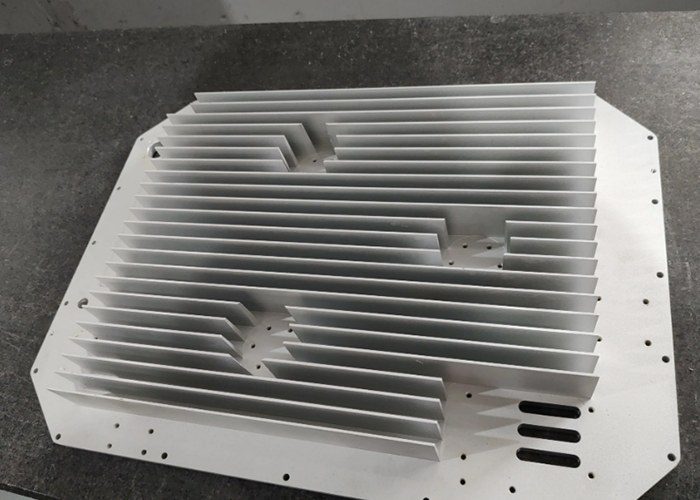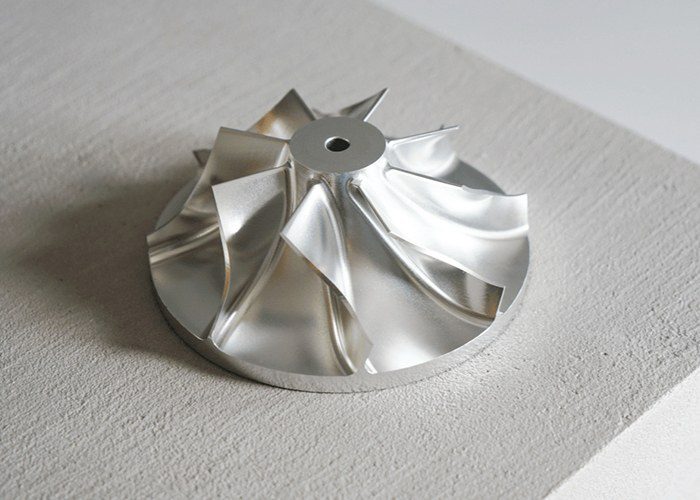
In an era defined by technological advancement and ever-increasing demands for quality, CNC (Computer Numerical Control) machining has emerged as the cornerstone of precision manufacturing. The production of precision metal components through CNC machining represents one of the most critical capabilities in modern industry—a process that transforms raw metal stock into intricately engineered parts with tolerances measured in microns. From the aircraft soaring overhead to the medical devices that save lives, CNC-machined precision metal components are everywhere, enabling the functionality, safety, and reliability of countless systems that define contemporary life.
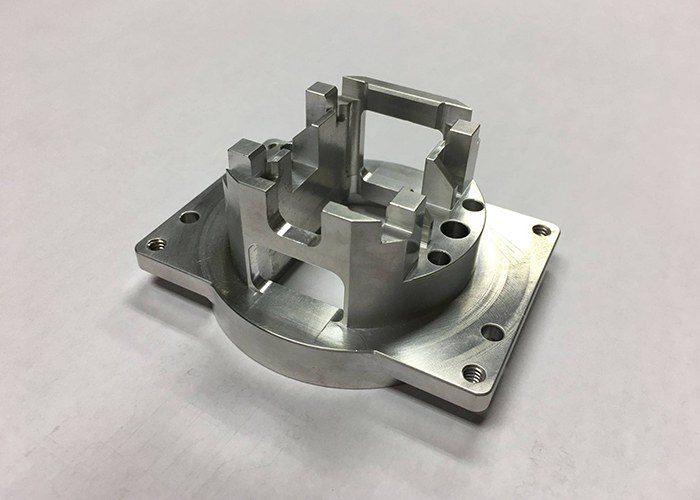
Understanding the Process
At its core, CNC precision machining is a subtractive manufacturing process in which computer-controlled cutting tools remove material from a solid metal billet to produce a finished component. The journey begins with a digital 3D model created in CAD (Computer-Aided Design) software, which defines every dimension, tolerance, and geometric feature of the intended part. This model is then translated through CAM (Computer-Aided Manufacturing) software into machine-readable instructions—G-code and M-code—that guide the cutting tools along precise paths.
Modern CNC machining centers have evolved far beyond their predecessors. Today’s advanced turning centers employ multi-axis configurations, live tooling, and high-speed automation to produce everything from custom medical implants to millions of mission-critical automotive parts. The evolution from simple two-axis lathes to multi-functional, multi-axis processes has dramatically expanded what is possible in metal component manufacturing. Machines now operate along X, Y, Z, and additional rotational axes, enabling the creation of complex geometries that would have been impossible just a generation ago.
Materials and Versatility
One of the defining strengths of CNC precision machining is its remarkable material versatility. The process can work with an extensive range of metals, including aluminum, stainless steel, titanium, brass, copper, and exotic alloys such as Inconel and Monel. Each material is selected for specific properties—strength, durability, corrosion resistance, or weight-to-strength ratio—depending on the application requirements. CNC machining can process both common engineering metals and high-performance materials like titanium and tungsten, exerting minimal mechanical stress while achieving exceptional accuracy. This flexibility makes the technology adaptable to virtually any engineering application.
The Precision Advantage
What truly sets CNC machining apart is its ability to achieve extraordinary levels of accuracy. Precision CNC machining consistently achieves tolerances of 0.01 millimeters or tighter, with specialized processes reaching as close as ±0.0001 inches (0.0025 mm). The machine, tooling, and environment operate in controlled synergy to deliver this level of precision. Machine rigidity dampens vibrations that cause “chatter,” while high-quality tools resist deflection to ensure the cutting edge remains exactly on path. Thermal stability is equally critical—because metals expand and contract with temperature shifts, climate-controlled workshops are essential for maintaining dimensional accuracy.
Beyond dimensional accuracy, CNC machining delivers exceptional repeatability. Once a program is established, the same machine can produce identical parts again and again within the same tight tolerances. This consistency is invaluable for industries where component interchangeability and reliability are paramount. The automated nature of CNC machining enables efficient, accurate, and consistent production that would be impossible to achieve through manual processes.
Critical Applications Across Industries
The applications of CNC-machined precision metal components span virtually every sector of advanced manufacturing. In the aerospace sector, these components form the bedrock of mission-critical hardware. Whether turbine blades, satellite brackets, or structural joints, each must withstand punishing operational forces and deliver unwavering reliability. The automotive industry relies on CNC machining for engine parts, transmission components, axles, fasteners, and precision housings. In the medical field, CNC machining produces surgical instruments, orthopedic implants, dental components, and custom prosthetic joints that must achieve micron-level accuracy and flawless surface finishes for biocompatibility. The technology also serves defense, electronics, robotics, energy, and countless other industries where precision and reliability are non-negotiable.
The Future of Precision Metal Components
As we look toward the future, CNC machining of precision metal components is being transformed by several powerful trends. Artificial intelligence is becoming integral to daily machine control, using real-time sensor feedback to automatically adjust feeds, speeds, and toolpaths in response to changing conditions. Digital twin technology is maturing into living ecosystems that mirror the entire machining process, integrating design, engineering, machining, and inspection into continuously updated models. Hybrid manufacturing—combining additive and subtractive processes on a single platform—is gaining traction in aerospace, energy, and medical sectors, enabling complex geometries and reducing material waste. Sustainability is also becoming a core metric, with manufacturers adopting Minimum Quantity Lubrication, dry cutting, and coolant recycling systems.
The global precision machining market, valued at approximately USD 124 billion in 2025, is projected to reach USD 258 billion by 2035, reflecting the indispensable role of CNC-machined precision metal components in the future of manufacturing. Driven by rapid technological advancement, these parts are poised to become not only more precise and complex, but fundamentally more critical to the global frameworks we depend on. CNC machining of precision metal components is not merely a manufacturing process—it is the foundation upon which modern industry is built, and its importance will only grow in the years to come.