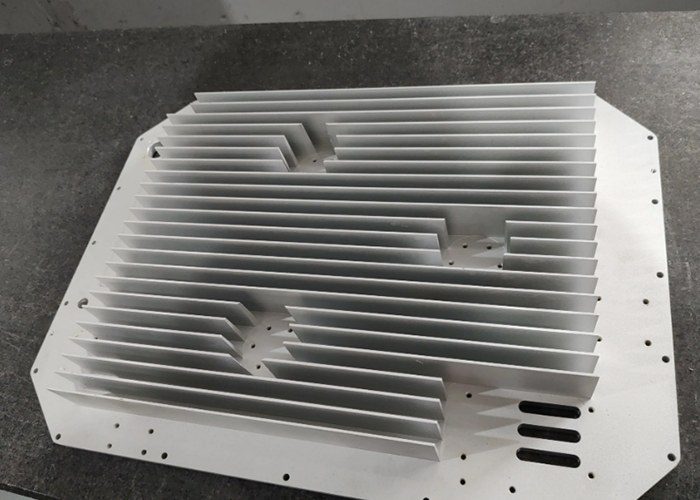
In the fast-paced world of precision manufacturing, the 4-axis machining center has emerged as a cornerstone of modern production. Unlike its 3-axis predecessor, which operates exclusively along the X, Y, and Z linear planes, the 4-axis machine introduces a rotational axis—typically the A-axis (rotation around the X-axis) or B-axis (rotation around the Y-axis). This additional degree of freedom allows for the machining of complex geometries, undercuts, and angled features in a single setup. However, the very complexity that makes these machines invaluable also makes them vulnerable. Without a rigorous, professional service regimen, a 4-axis machining center can quickly degrade from a high-efficiency asset into a source of costly downtime and scrapped parts. This article explores the multifaceted world of 4-axis machining center service, detailing its components, best practices, and the strategic value it brings to the shop floor.
The Core Components of a Comprehensive Service Plan
Servicing a 4-axis machining center is not merely about fixing what is broken; it is about preventing breakdowns before they occur. A comprehensive service plan is holistic, addressing the mechanical, electrical, and software systems that must work in concert.
First and foremost is the spindle. The spindle is the heart of the machine, and its health is paramount. Service protocols for the spindle include vibration analysis, thermal growth monitoring, and regular drawbar force checks. A spindle that is out of balance or experiencing bearing wear will produce poor surface finishes and can even shatter expensive cutting tools. Professional service providers use advanced diagnostic tools, such as accelerometers and thermal imaging cameras, to predict spindle failure weeks in advance, allowing for scheduled, rather than emergency, repairs.
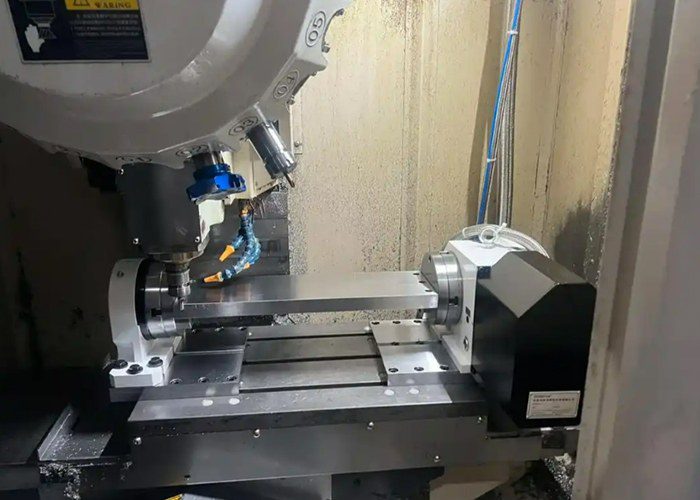
Equally critical is the rotary table, the defining feature of the 4-axis center. This unit contains a precision worm gear or direct-drive motor that must maintain zero backlash to ensure accurate indexing and simultaneous machining. Service here involves checking gear mesh, lubricating moving parts with high-grade synthetics, and verifying the table’s clamping pressure. A failing rotary table can lead to catastrophic crashes if the part shifts during a cut. To prevent positional drift, routine calibration and cleaning of the rotary encoder (which communicates the exact angular position to the controller) are essential.
The coolant and chip management system is often the most neglected aspect of service. In a 4-axis machine, chips and coolant can become trapped in the complex geometries of the fixture and the machine’s t-slot table. Over time, this debris can clog filters, starve pumps, and degrade coolant concentration. A service contract should include a full flush of the coolant tank, cleaning of the chip conveyor, and testing of the coolant mixture to prevent bacterial growth and corrosion inside the machine’s sump.
The Importance of Preventive vs. Reactive Maintenance
The manufacturing industry often operates on a “run-to-fail” mentality, especially in smaller job shops. However, with 4-axis technology, this approach is financially disastrous. The cost of reactive maintenance—the emergency service call, the expedited shipping of parts, and the lost production time—far exceeds the cost of preventive care.
Preventive maintenance (PM) schedules are typically based on machine operating hours. For example, a standard PM might include greasing the linear guides and ballscrews every 500 hours, changing the hydraulic oil every 2,000 hours, and performing a full geometric alignment check annually. These intervals are not arbitrary; they are based on the manufacturer’s specifications and the machine’s workload.
When a machine is under service, the technician should not just change the oil and leave. They should conduct a “health check” that includes checking the backlash of the ballscrews, testing the axis drive motors for current draw irregularities, and verifying the accuracy of the tool changer. This diagnostic data creates a baseline. When the next service occurs, the technician can compare the new data to the baseline to identify gradual wear that is not yet causing errors but will soon.
Software and Control Systems: The Digital Dimension
Modern 4-axis machining centers are smart machines. They run on sophisticated Computer Numerical Control (CNC) software that manages look-ahead functions, tool compensation, and collision avoidance. Service in the digital realm is as important as physical repairs. This involves updating the machine’s firmware to patch security vulnerabilities and improve functionality. It also includes backing up the machine’s parameters. If a controller battery dies or a power surge occurs, losing these parameters can render the machine a giant paperweight. A good service provider will ensure that a current backup is stored safely off-machine.
Furthermore, with the rise of Industry 4.0, many 4-axis machines are connected to Manufacturing Execution Systems (MES). Service technicians are now required to have IT skills to troubleshoot network connectivity issues that can halt production or disrupt data flow.
The Financial Justification for Professional Service
For a shop floor manager, the decision to invest in a professional service contract often comes down to Return on Investment (ROI). Consider the cost of a service contract—perhaps a few thousand dollars annually—against the cost of a spindle rebuild, which can easily exceed $10,000, not including the lost revenue from the machine being down for a week.
Moreover, a well-serviced machine provides process stability. When a 4-axis machine is accurately calibrated, the operator can confidently run unattended lights-out manufacturing. This maximizes the utilization of the machine. Conversely, an unserviced machine may have a slight drift in the A-axis, causing a tolerance stack-up that results in the rejection of a batch of expensive aerospace or medical components. The cost of scrapping high-value materials like titanium or stainless steel alloys is a loss that directly impacts the bottom line.
Choosing the Right Service Partner
Not all service providers are created equal. When selecting a partner for 4-axis machining center service, look for technicians who are certified by the machine tool builder. They should have access to the original schematics and diagnostic software. Additionally, a good partner will offer a flexible response time—whether that is a 24-hour emergency response or a scheduled quarterly visit—and will stock a local inventory of critical spare parts to avoid long shipping delays.
Conclusion
The 4-axis machining center is a sophisticated fusion of mechanics, electronics, and software. It is capable of transforming a block of metal into a complex part with stunning speed and accuracy. However, this capability is entirely dependent on the machine’s condition. Effective service is not an expense; it is an investment in operational resilience. By adhering to a rigorous service regimen that encompasses spindle health, rotary table accuracy, coolant management, and software integrity, manufacturers can ensure that their 4-axis centers remain productive, reliable, and profitable for years to come. In the competitive landscape of modern manufacturing, the companies that prioritize service are the ones that ultimately dominate the market.