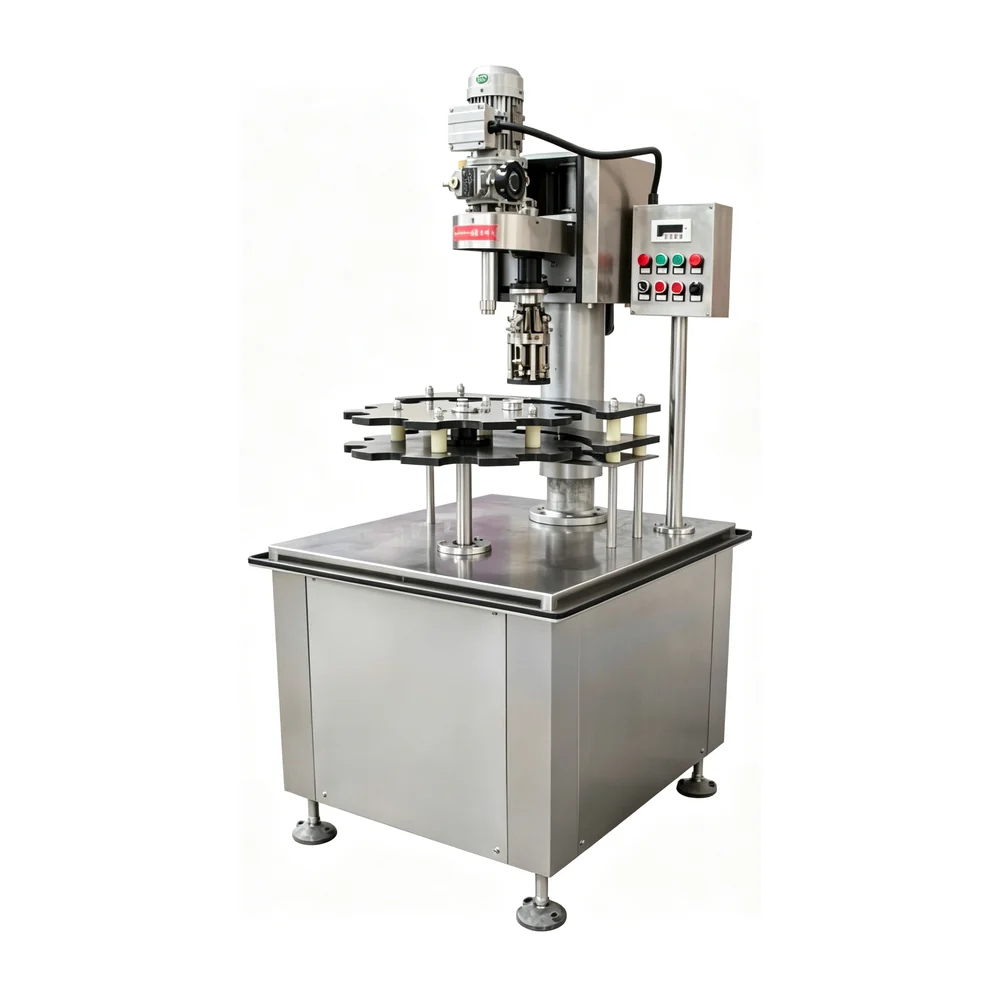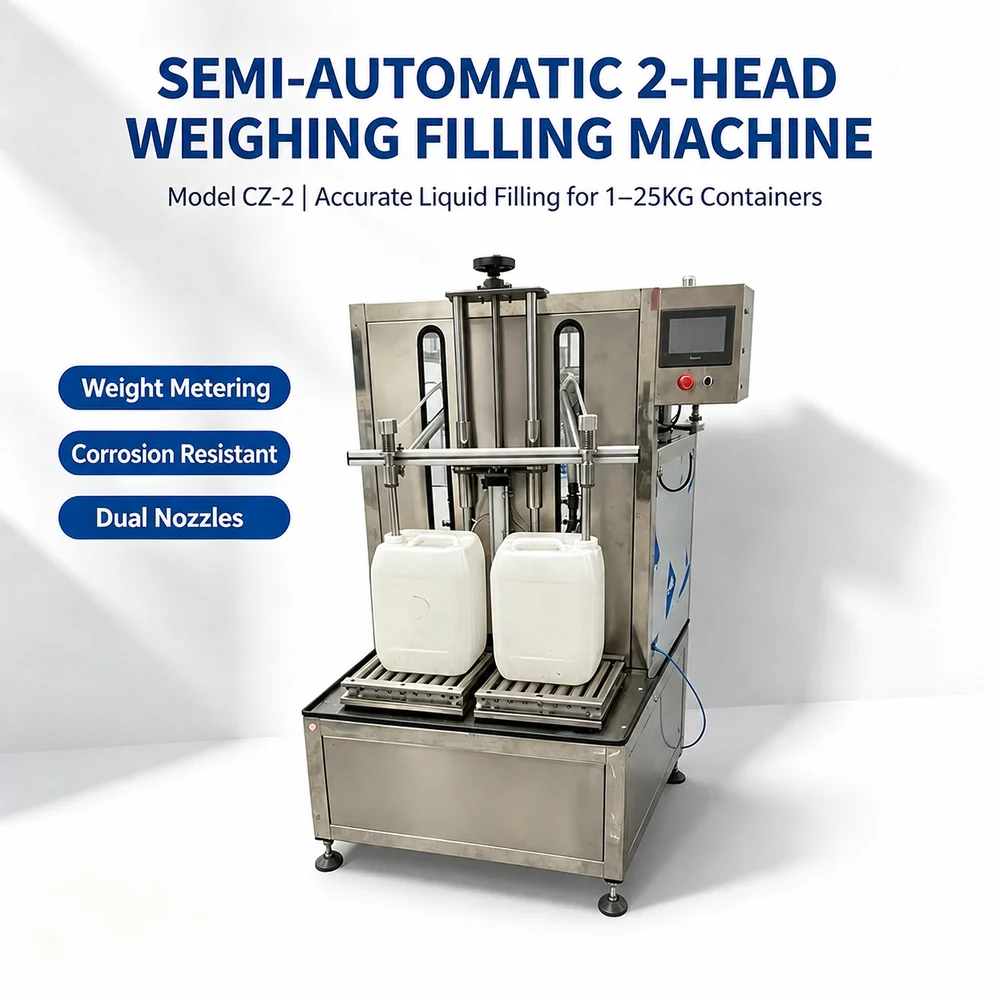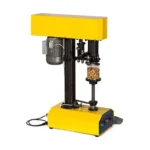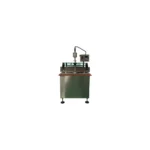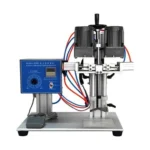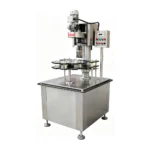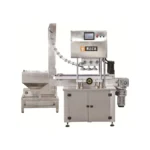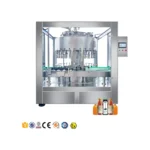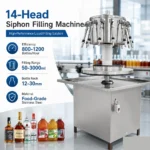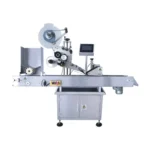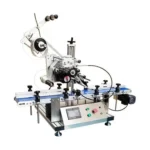
Choose a capping machine by matching the cap type, bottle material, closure dimensions, torque requirement and production speed. Screw caps, ROPP aluminum caps, press-on caps and lug caps use different handling and tightening principles. The correct machine must also stabilize the container and feed caps consistently.
This guide explains the main capping systems and the information a supplier needs for an accurate recommendation. Compare available equipment in our capping machines category.
Start with the Cap Type
| Type de bouchon | Typical container | Common capping method | Critical concern |
|---|---|---|---|
| Capsule plastique vissée | PET or HDPE bottle, jar | Chuck or spindle capping | Torque, cap thread and bottle stability |
| ROPP aluminum cap | Wine, spirits, oil or pharmaceutical bottle | ROPP rolling head | Cap skirt, bottle finish and rolling profile |
| Press-on cap | Jar, cosmetic or special bottle | Pressing head or belt | Vertical force and container support |
| Lug or twist-off cap | Glass food jar | Vacuum or mechanical lug capping | Vacuum, cap position and glass-jar handling |
| Pump or trigger closure | Detergent, cosmetic or chemical bottle | Customized placing and tightening | Dip-tube handling and closure orientation |
Chuck Capping vs Spindle Capping
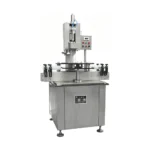
Chuck cappers grip a cap with a head and tighten it onto the bottle. They can provide controlled tightening for suitable cap and bottle formats. Multi-head rotary systems are used when higher output is required.
Spindle cappers use rotating wheels to tighten caps while bottles move through the machine. They are widely used for continuous lines and can accommodate a practical range of bottle heights and cap sizes after adjustment.
Neither principle is universally better. Cap geometry, torque consistency, bottle strength and output determine the appropriate system.
Seven Details That Affect Capping Performance
1. Cap dimensions and thread
Provide the outer diameter, height, material and internal thread. Small differences in cap ribbing or skirt shape can change the chuck, spindle-wheel or cap-chute design.
2. Bottle material and shape
Glass bottles tolerate different handling from lightweight PET bottles. Tall, narrow or irregular bottles may need side belts, neck guides or bottom support. Share empty and filled bottle samples.
3. Required tightening torque
Too little torque can cause leakage; too much can damage threads, deform caps or make the package difficult to open. Confirm the acceptable torque range and test it with the real cap, liner and product.
4. Cap feeding and orientation
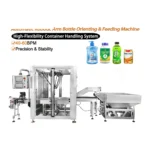
Automatic lines may use a cap elevator, bowl feeder or sorter. The closure shape determines whether it can be oriented reliably. Pumps, triggers and asymmetric caps usually need a customized feeding method.
5. Production speed
State the required bottles per minute and whether caps arrive continuously. Capping speed is limited by cap feeding, bottle spacing and the time needed to apply torque, not just by the number of heads.
6. Filled-product behavior
Foaming liquids, hot-filled products and containers with product on the neck may need special control. The cap should be applied without splashing or contaminating the sealing surface.
7. Integration with the line
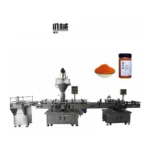
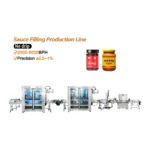
The capper must match the filler and downstream sealing or labeling equipment. Confirm conveyor height, bottle direction, accumulation space and whether inspection or rejection is required.
Special Closure Applications
ROPP caps
ROPP capping forms the aluminum cap skirt around the bottle finish. The cap and bottle neck must be compatible, and the rolling head needs the correct tooling profile. Bottle samples and cap drawings are essential.
Press-on caps
Press capping applies downward force. The bottle base and conveyor support must prevent deformation or tipping. The cap should enter straight before pressure is applied.
Lug caps for glass jars
Lug caps are commonly used for food jars. The application may require steam, vacuum or controlled headspace depending on the process. Confirm the filled product temperature and closure specification.
Pumps and trigger sprayers
These closures include a long dip tube and an asymmetric head. Automatic placement may require tube guiding and orientation. A semi-automatic solution can sometimes be more practical for lower output or many formats.
What to Send to the Machine Supplier
- Several bottle and cap samples for every format
- Bottle and cap drawings with dimensions
- Required torque or closure standard
- Target bottles per minute
- Photos or video of the current filling line
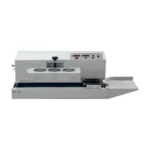
- Details of cap feeding, induction sealing and labeling
- Available floor space, voltage and air supply
Foire aux questions
Can one capping machine handle several cap sizes?
Often yes within a suitable range, but adjustment or change parts may be required. Every cap and bottle combination should be tested before confirmation.
Can a cap feeder be added later?
It may be possible, but planning the feeder with the original machine is better because cap elevation, orientation, line speed and available space are connected.
How do I prevent bottles from spinning during capping?
Side belts, guides, star wheels or custom bottle holders can stabilize the container. The correct method depends on bottle shape and capping force.
Request a Capping Machine Recommendation
Send Longteng your bottle, cap, required torque and target speed. We can recommend a screw capper, ROPP capper, press capper, lug capper or integrated filling and capping line. Contact Longteng on WhatsApp.