Biscuit Packaging Machine for Cookies, Crackers and Snack Packs
Biscuit and cookie packaging requires gentle product handling, neat pillow bags and reliable sealing for both single packs and multi-pack lines.
Solicitar una cotización Envíe fotos del producto, las dimensiones del empaque, el material del film y el rendimiento deseado para que Longteng Machinery pueda recomendarle la solución de envolvedora continua más adecuada para su aplicación.
This page is built as an application-based SEO entry point. The goal is not to rank for machine model numbers, but to answer the real search intent behind buyers who need a biscuit packaging machine for production packaging. Different factories may use similar machines, yet the feeding method, film type, sealing temperature, output speed, package shape and optional devices can be completely different.
Tipos de máquinas recomendadas
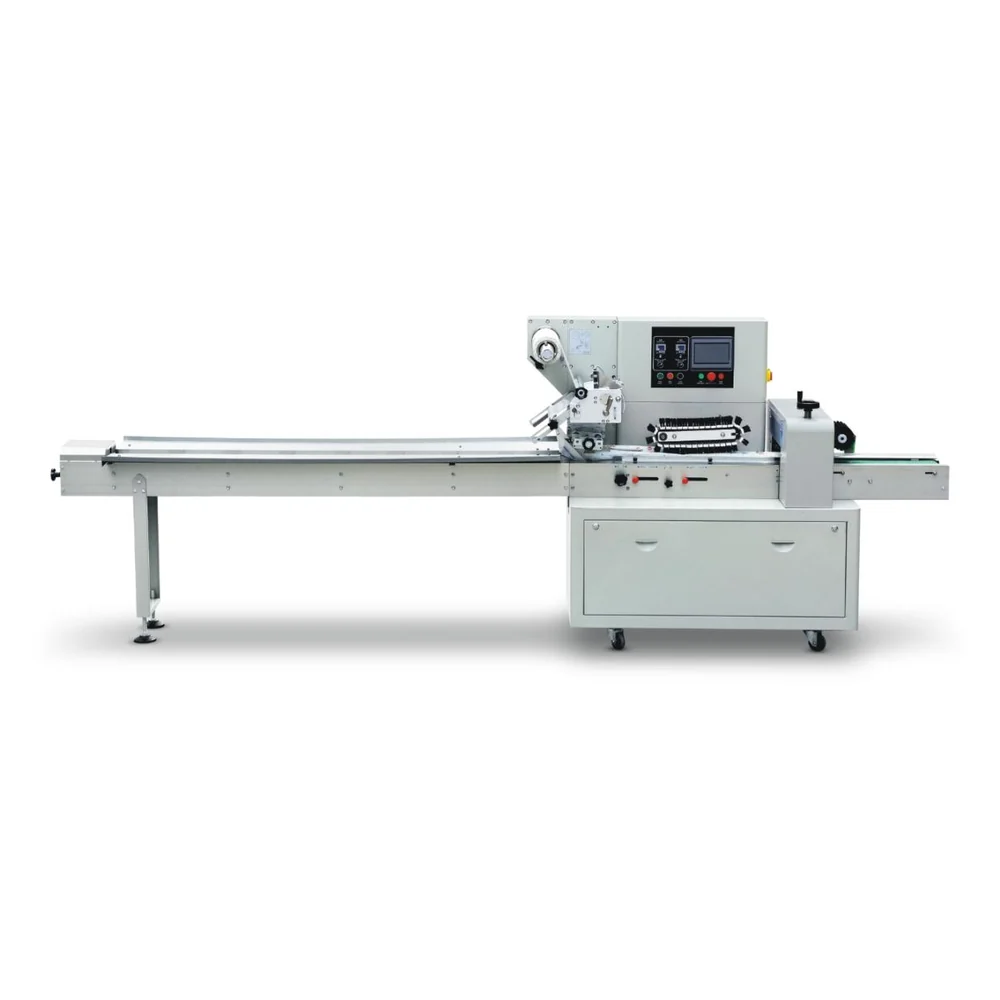
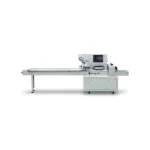
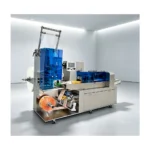
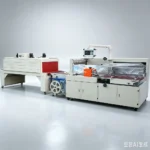
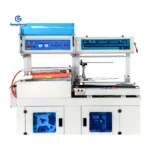
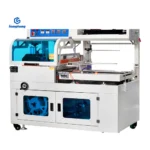
Para productos estables que se pueden transportar sin problemas por una cinta transportadora, una envolvedora de flujo con película superior suele ser una opción práctica. Para productos blandos, pegajosos, irregulares o difíciles de transportar, una envasadora continua con película inferior puede brindar un mejor soporte de la película durante la alimentación y el sellado. La elección correcta depende de la superficie del producto, el tamaño del empaque, la dirección del rollo de película, la automatización de la alimentación y la apariencia final del empaque que requiera el comprador.
Solicitar una cotización Una vez que haya revisado las características y el tipo de máquina, contáctenos para solicitar una cotización basada en las dimensiones reales de su producto y su flujo de trabajo de empaque.
- Serie de envolvedoras por flujo con película inferior
- Serie de envolvedoras de flujo de primera línea
Aplicaciones típicas
- Empaque de galletas en formato de bolsa tipo almohada o envoltura continua
- Cookies packaging with pillow bag or flow wrap format
- Crackers packaging with pillow bag or flow wrap format
- Wafer Packs packaging with pillow bag or flow wrap format
- Snack Bars packaging with pillow bag or flow wrap format
- Multi-Packs packaging with pillow bag or flow wrap format
Guía de selección para compradores
Antes de elegir la máquina, los compradores deben confirmar la longitud, el ancho y la altura del producto, la velocidad deseada, el material del film y si la alimentación del producto es manual o automática. Es posible que en una línea pequeña de galletas lo más importante sea el conteo y la velocidad, mientras que una línea de empaque de verduras podría necesitar una cinta transportadora más ancha, un film antivaho y un espacio de alimentación más abierto. Una línea de empaque de artículos de ferretería puede requerir un sellado más resistente y dispositivos especiales de alimentación. Es por eso que Longteng Machinery organiza estas páginas por aplicación en lugar de por números de modelo.
En cuanto al tráfico orgánico de Google, las palabras clave de las aplicaciones ayudan a los usuarios a encontrar la solución adecuada en una etapa más temprana de su proceso de compra. Es posible que un comprador no sepa si el LT-250, el LT-350 o el LT-450 es el adecuado, pero por lo general sí sabe si necesita empaques para pan, galletas, pasteles, verduras, alimentos congelados, artículos de ferretería o productos médicos. Por lo tanto, la página debe explicar primero los requisitos de empaque y dejar la selección del modelo para más adelante, dentro de una página de la serie.
Requisitos de empaque
A good biscuit packaging machine should provide stable film tracking, consistent sealing temperature, clean end seals and simple operation. For food factories, hygiene and easy cleaning are important. For bakery factories, gentle product handling matters because products may be soft or easy to deform. For hardware factories, package strength and conveyor load may be more important than ultra-high speed. For medical or healthcare products, clear packaging, neat sealing and compatibility with coding or labeling devices can be important.
Dispositivos opcionales
- Codificador de fechas o impresora de transferencia térmica
- Alimentador automático o cinta transportadora con espaciado de productos
- Perforador, dispositivo de escape o dispositivo de purga de nitrógeno
- Piezas de contacto de acero inoxidable para aplicaciones alimentarias
- Personalización de la alimentación para bandejas, productos irregulares o formatos multipack
Enlaces internos de la máquina
- Serie de envolvedoras por flujo con película inferior
- Serie de envolvedoras de flujo de primera línea
Guía relacionada: Envolvedora de flujo horizontal
Preguntas frecuentes
¿Debería elegir una envolvedora con película superior o con película inferior?
Elige en función de la estabilidad del producto durante la alimentación. Las máquinas de película superior son comunes para productos estables; las máquinas de película inferior son útiles para productos blandos, pegajosos, sueltos o irregulares.
¿Debería buscar por número de modelo?
No. Los números de modelo se utilizan una vez que quedan claras la aplicación y el tamaño del producto. Las páginas de búsqueda y de optimización para motores de búsqueda (SEO) deben centrarse en las palabras clave relacionadas con la aplicación.
¿Qué información se necesita para elaborar una cotización?
Por favor, proporcione fotos del producto, las dimensiones del mismo, el material del film, la velocidad requerida, el tipo de empaque y si se necesita alimentación automática.
Llamada a la acción para consultas
Envíe fotos del producto y las dimensiones del empaque a Longteng Machinery. Le recomendaremos el tipo y la gama de modelos de envolvedora continua adecuados según la aplicación, y no basándonos únicamente en el número de modelo.
High-Speed Biscuit Production Line Requirements
Biscuit and cracker factories usually care about stable high-speed flow wrapping, accurate product spacing and low breakage during transfer. A biscuit packaging machine often works after cooling, counting or arranging equipment, so the wrapper must accept products at a consistent rhythm. The most important production issue is not only the maximum speed shown in a catalog. It is whether biscuits can be fed continuously without collision, sliding, edge damage or unstable stacks.
For single biscuits, cookies, wafer bars and cracker packs, the infeed conveyor must guide products smoothly into the forming area. For multipack biscuit lines, counting, stacking and grouping devices may be required before the wrapper. If the product is brittle, the machine needs gentle transition points and stable belt speed. If the package uses printed film, photoelectric tracking and film tension control must stay accurate even during high-speed operation.
Biscuit Packaging Pain Points
- Broken biscuits caused by aggressive transfer or unstable feeding.
- Film tracking errors at high speed with printed roll film.
- Loose packs when the product group is not aligned before forming.
- Seal contamination from crumbs or product fragments.
- Frequent changeover between single packs and multipack formats.
Recommended Configuration for Biscuit Lines
A high-speed biscuit production line should be reviewed as a complete system. Manual feeding may work for small batches, but automatic feeding is usually needed when the factory requires continuous output. Product spacing conveyors, counting systems, automatic feeders and date coders can be added according to the biscuit format. The machine should also support recipe storage so operators can change between different pack lengths and product groups with less downtime.
Longteng Machinery should ask the buyer whether biscuits are packed individually, in rows, in stacked groups or in trays. The answer affects the infeed layout and model selection. It also affects film width, bag length, sealing temperature and discharge handling. This application page should therefore guide the buyer toward a production-line discussion instead of a model-number discussion.
Quality Control for Biscuit Packs
During trial packing, check whether the pack is tight enough to hold the biscuit group without crushing it. The end seal should be clean and centered, the longitudinal seal should be straight, and printed film should align with the product consistently. Finished packs should be tested for appearance, seal strength and product breakage after handling. These details are especially important for retail biscuit brands because pack appearance directly affects shelf presentation.
High-Speed Biscuit Production Line Requirements
Biscuit and cracker factories usually care about stable high-speed flow wrapping, accurate product spacing and low breakage during transfer. A biscuit packaging machine often works after cooling, counting or arranging equipment, so the wrapper must accept products at a consistent rhythm. The most important production issue is not only the maximum speed shown in a catalog. It is whether biscuits can be fed continuously without collision, sliding, edge damage or unstable stacks.
For single biscuits, cookies, wafer bars and cracker packs, the infeed conveyor must guide products smoothly into the forming area. For multipack biscuit lines, counting, stacking and grouping devices may be required before the wrapper. If the product is brittle, the machine needs gentle transition points and stable belt speed. If the package uses printed film, photoelectric tracking and film tension control must stay accurate even during high-speed operation.
Biscuit Packaging Pain Points
- Broken biscuits caused by aggressive transfer or unstable feeding.
- Film tracking errors at high speed with printed roll film.
- Loose packs when the product group is not aligned before forming.
- Seal contamination from crumbs or product fragments.
- Frequent changeover between single packs and multipack formats.
Recommended Configuration for Biscuit Lines
A high-speed biscuit production line should be reviewed as a complete system. Manual feeding may work for small batches, but automatic feeding is usually needed when the factory requires continuous output. Product spacing conveyors, counting systems, automatic feeders and date coders can be added according to the biscuit format. The machine should also support recipe storage so operators can change between different pack lengths and product groups with less downtime.
Longteng Machinery should ask the buyer whether biscuits are packed individually, in rows, in stacked groups or in trays. The answer affects the infeed layout and model selection. It also affects film width, bag length, sealing temperature and discharge handling. This application page should therefore guide the buyer toward a production-line discussion instead of a model-number discussion.
Quality Control for Biscuit Packs
During trial packing, check whether the pack is tight enough to hold the biscuit group without crushing it. The end seal should be clean and centered, the longitudinal seal should be straight, and printed film should align with the product consistently. Finished packs should be tested for appearance, seal strength and product breakage after handling. These details are especially important for retail biscuit brands because pack appearance directly affects shelf presentation.
Line Integration Notes for Biscuit Factories
Many biscuit factories do not use the flow wrapper as an isolated machine. The wrapper may need to connect with a cooling conveyor, lane divider, counting system, stacker, feeder, metal detector, checkweigher or cartoning line. If the upstream system delivers products unevenly, the wrapping machine cannot maintain stable high speed. For this reason, the layout discussion should include product arrival direction, lane count, spacing accuracy and whether products are transferred one by one or in groups.
Film roll quality also affects high-speed biscuit packaging. At higher speeds, unstable film tension can cause tracking errors, wrinkled packs or inaccurate cutting. Printed film needs a stable color mark signal. The sales team should ask whether the buyer uses plain film or printed film, whether the pack has a retail barcode and whether coding must be placed in a fixed position. These details help the engineer select suitable control options.
Factory Buying Checklist
- Confirm biscuit thickness and whether the product breaks easily.
- Confirm whether biscuits are single packed, stacked or grouped.
- Confirm whether automatic counting and feeding are required.
- Confirm film type, roll width and printed mark requirement.
- Confirm target speed based on real product feeding, not only machine maximum speed.
High-Speed Biscuit Production Line Requirements
Biscuit and cracker factories usually care about stable high-speed flow wrapping, accurate product spacing and low breakage during transfer. A biscuit packaging machine often works after cooling, counting or arranging equipment, so the wrapper must accept products at a consistent rhythm. The most important production issue is not only the maximum speed shown in a catalog. It is whether biscuits can be fed continuously without collision, sliding, edge damage or unstable stacks.
For single biscuits, cookies, wafer bars and cracker packs, the infeed conveyor must guide products smoothly into the forming area. For multipack biscuit lines, counting, stacking and grouping devices may be required before the wrapper. If the product is brittle, the machine needs gentle transition points and stable belt speed. If the package uses printed film, photoelectric tracking and film tension control must stay accurate even during high-speed operation.
Biscuit Packaging Pain Points
- Broken biscuits caused by aggressive transfer or unstable feeding.
- Film tracking errors at high speed with printed roll film.
- Loose packs when the product group is not aligned before forming.
- Seal contamination from crumbs or product fragments.
- Frequent changeover between single packs and multipack formats.
Recommended Configuration for Biscuit Lines
A high-speed biscuit production line should be reviewed as a complete system. Manual feeding may work for small batches, but automatic feeding is usually needed when the factory requires continuous output. Product spacing conveyors, counting systems, automatic feeders and date coders can be added according to the biscuit format. The machine should also support recipe storage so operators can change between different pack lengths and product groups with less downtime.
Longteng Machinery should ask the buyer whether biscuits are packed individually, in rows, in stacked groups or in trays. The answer affects the infeed layout and model selection. It also affects film width, bag length, sealing temperature and discharge handling. This application page should therefore guide the buyer toward a production-line discussion instead of a model-number discussion.
Quality Control for Biscuit Packs
During trial packing, check whether the pack is tight enough to hold the biscuit group without crushing it. The end seal should be clean and centered, the longitudinal seal should be straight, and printed film should align with the product consistently. Finished packs should be tested for appearance, seal strength and product breakage after handling. These details are especially important for retail biscuit brands because pack appearance directly affects shelf presentation.
Line Integration Notes for Biscuit Factories
Many biscuit factories do not use the flow wrapper as an isolated machine. The wrapper may need to connect with a cooling conveyor, lane divider, counting system, stacker, feeder, metal detector, checkweigher or cartoning line. If the upstream system delivers products unevenly, the wrapping machine cannot maintain stable high speed. For this reason, the layout discussion should include product arrival direction, lane count, spacing accuracy and whether products are transferred one by one or in groups.
Film roll quality also affects high-speed biscuit packaging. At higher speeds, unstable film tension can cause tracking errors, wrinkled packs or inaccurate cutting. Printed film needs a stable color mark signal. The sales team should ask whether the buyer uses plain film or printed film, whether the pack has a retail barcode and whether coding must be placed in a fixed position. These details help the engineer select suitable control options.
Factory Buying Checklist
- Confirm biscuit thickness and whether the product breaks easily.
- Confirm whether biscuits are single packed, stacked or grouped.
- Confirm whether automatic counting and feeding are required.
- Confirm film type, roll width and printed mark requirement.
- Confirm target speed based on real product feeding, not only machine maximum speed.
Solicitar una cotización Solicite hoy mismo una cotización indicando las muestras de productos, la gama de tamaños, el tipo de película, la velocidad requerida y los requisitos de los dispositivos opcionales.