Driven by carbon‑neutral policies, global brands are pursuing sustainable development. The textile printing industry is moving away from water‑intensive and high‑pollution traditional processes. DTF (Direct‑to‑Film) printing stands out as a mainstream solution with low pollution, low consumption and low emissions, balancing printing quality and green production.
Traditional screen printing requires plate‑making, paste mixing and screen washing. It consumes massive water and produces waste ink and discarded screens with heavy VOC emission, bringing huge pressure on wastewater treatment. Even small‑batch orders generate plenty of material waste with high environmental‑protection costs. DTF digital printing reshapes the workflow and reduces pollution from the source with water‑free production.
First, nearly zero wastewater discharge and remarkable water saving. DTF needs no screens or screen‑washing steps. It cuts over 95 % water consumption compared with traditional printing and avoids printing wastewater, greatly lowering sewage‑treatment costs and environmental risks.
Second, water‑based ink with low VOC for higher safety. Premium DTF uses eco‑friendly water‑based pigment ink with low hazardous‑substance content and little VOC emission. Workshops have fewer odors for better working conditions. With SGS and OEKO‑TEX certified consumables, prints are skin‑friendly for kids‑wear and close‑fitting garments, resistant to washing and compliant with overseas environmental standards.
Third, on‑demand inkjet printing reduces material waste. DTF prints only where patterns are needed. No excess paste is wasted. Without screen‑making, there is no waste from screens or photosensitive glue. Small‑batch and quick‑turn orders cut loss of stock materials, fitting today’s market demand for diversified small‑lot production.
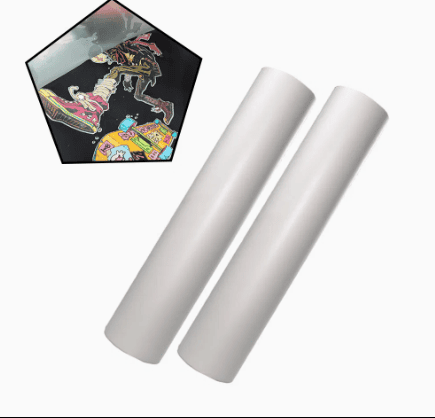
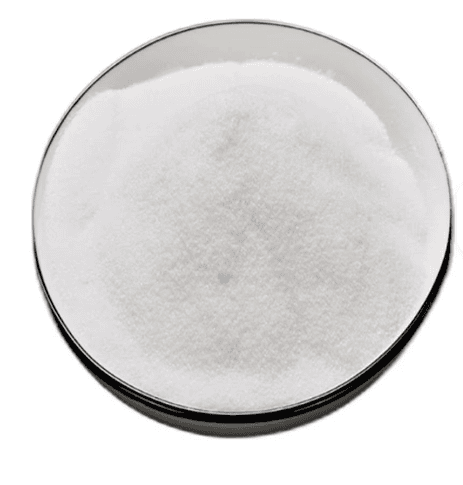
Fourth, streamlined workflow lowers total energy consumption. The workflow includes printing, powder‑coating, drying and heat pressing. No complicated pre‑treatment or washing‑fixing steps are required. Heat‑pressed products are finished directly, saving energy and helping factories reduce carbon footprint.
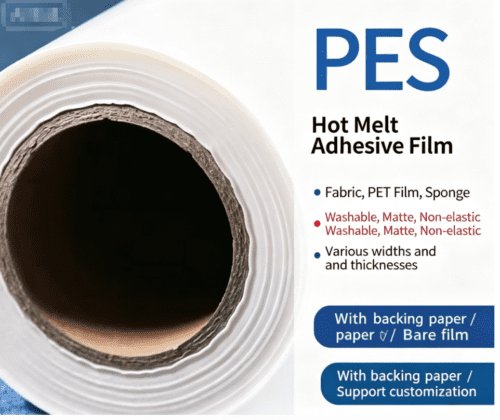
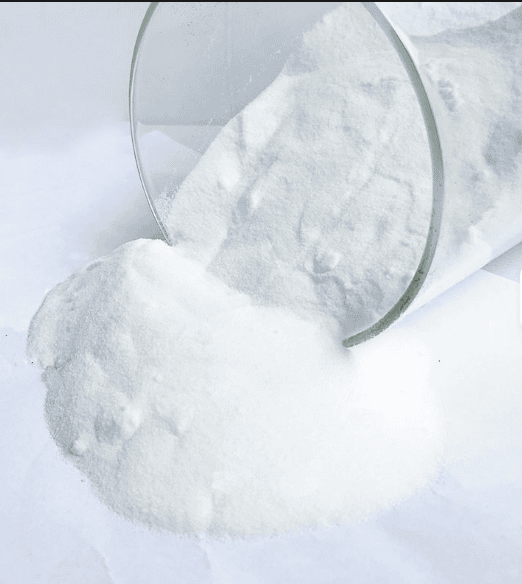
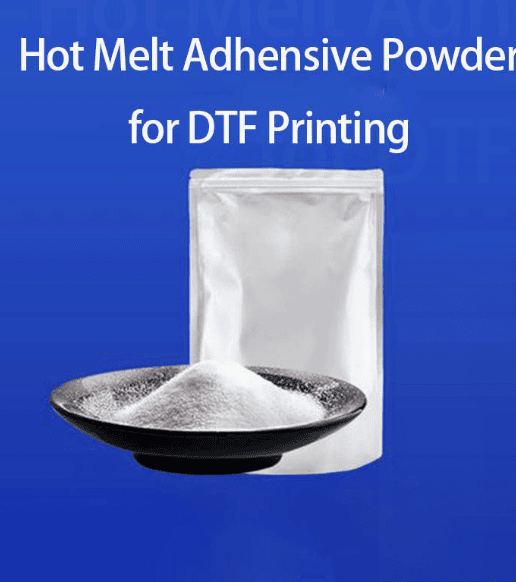
Nevertheless, DTF environmental performance relies heavily on high‑quality consumables. Ink, hot‑melt powder and transfer film determine eco‑grade. Inferior materials cause strong odor and harmful substance release after washing. Only certified DTF consumables deliver real green production.
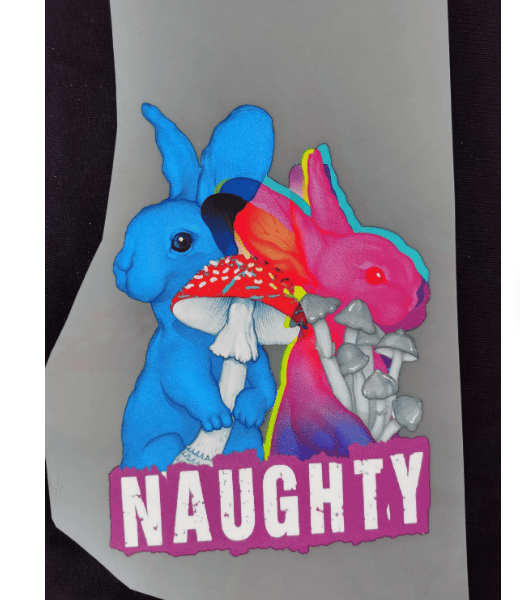
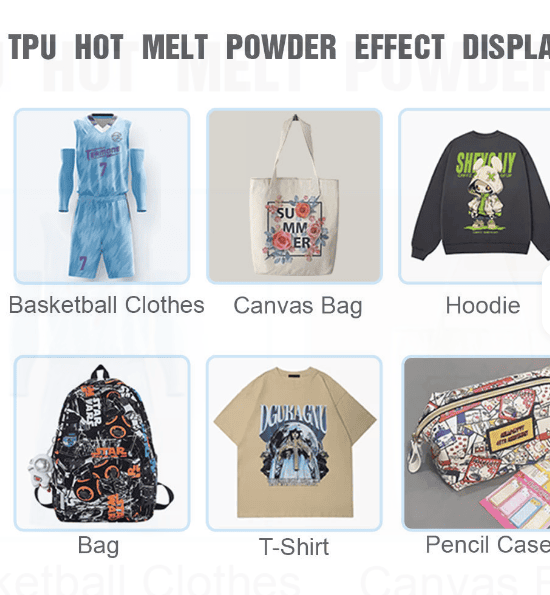
Besides environmental merits, DTF brings outstanding performance. It works for cotton, polyester, blends, canvas and bags. Prints feature vivid colors, fine layers, good wash‑resistance and soft hand‑feel.
More garment factories, fashion brands and exporters choose DTF for green upgrading. With stricter environmental regulations, DTF printing is not merely a printing technology, but a powerful tool for textile enterprises to achieve green transformation and cope with global trade environmental barriers.
Jiangxi Juge New Material Technology CO., LTD.

×