Corrosion Resistant Tubing & Nitrile Expansion Joints: Complete Industrial Piping Selection & Buying Guide
Pendahuluan
Industrial process piping systems face multiple common failures: chemical corrosion, pump vibration stress, thermal expansion displacement, and installation misalignment. For plant engineers and global procurement buyers, corrosion resistant tubing and nitrile expansion joints are two core components to solve these long‑term pipeline risks.
Standard carbon steel pipe and ordinary plastic tubing will degrade quickly when transporting acids, alkalis, solvents and other aggressive media. That is why corrosion resistant tubing is widely specified across chemical factories, wastewater treatment facilities, hydraulic stations and energy‑related production lines. Even when you install high‑grade corrosion‑proof tube for fluid conveyance, rigid fixed pipelines cannot absorb mechanical shaking or thermal shifting. This is where nitrile expansion joints come into service. Also known as NBR expansion joint, this kind of rubber compensator works as a flexible buffer inside piping loops. Many overseas purchasers search for rubber expansion joint, pipeline compensator, vibration isolation connector and pump suction expansion joint when sourcing these flexible piping accessories. Matching proper corrosion resistant tubing with well‑selected nitrile expansion joints greatly lowers leakage risk, cuts maintenance frequency and extends the whole service life of your industrial piping infrastructure.
What Is Corrosion Resistant Tubing
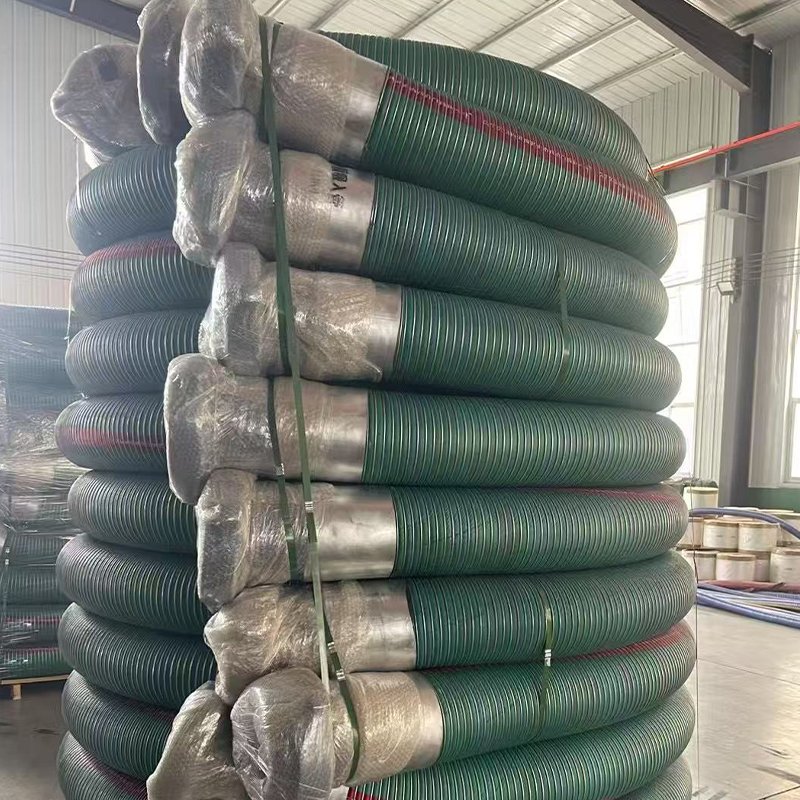
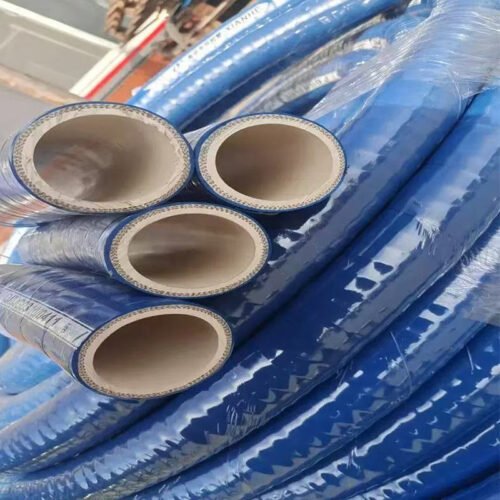
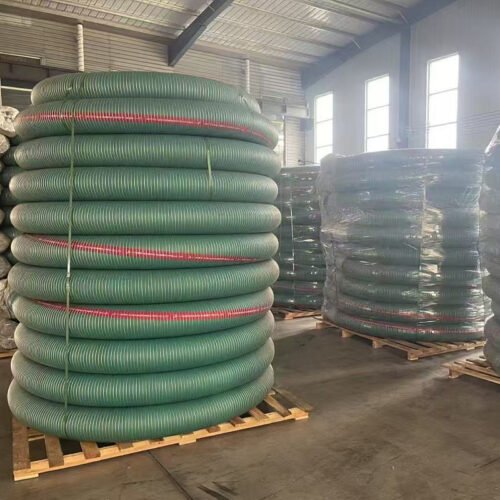
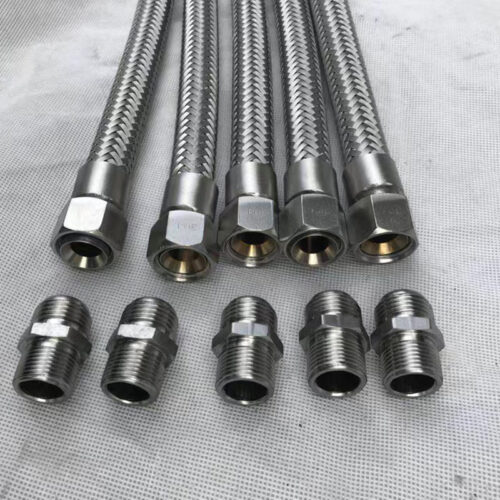
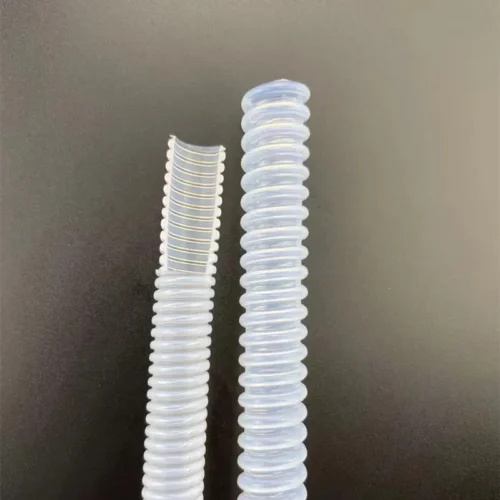
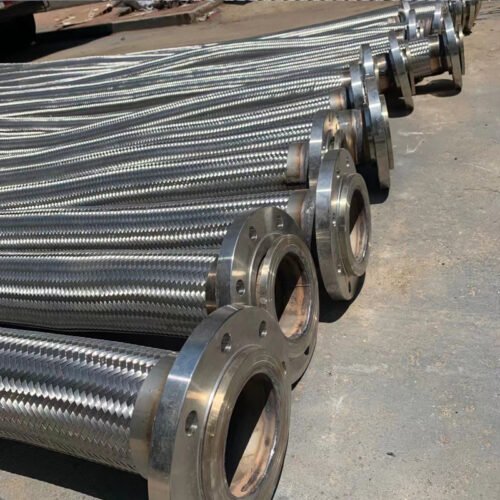
Corrosion resistant tubing refers to general‑purpose industrial tube products that resist chemical erosion from conveyed working media. Corrosion‑proof tube covers multiple material families, including stainless steel alloy, PTFE polymer, nylon composite and special lined tubing. Acid resistant tubing is one popular search variant for buyers who handle strong acidic process fluid. Chemical resistant pipe is another broad‑term keyword frequently used by non‑specialized procurement staff.
Different grades of corrosion resistant tubing deliver different performance limits. Not every corrosion resistant tubing can handle all kinds of corrosive agents. Before placing bulk orders, you need to verify chemical compatibility charts to confirm whether your selected corrosion‑proof tube suits your exact medium. Critical technical parameters include inner diameter, outer dimension, maximum working pressure, continuous operating temperature and bending requirements.
Corrosion resistant tubing finds massive deployment in chemical processing workshops, waste‑water treatment projects, new‑energy manufacturing, hydraulic transmission circuits and pharmaceutical production sites. When corrosive fluid flows through the pipeline, qualified corrosion resistant tubing keeps stable without swelling, cracking or surface rusting. If you pick mismatched material, even expensive corrosion‑proof tube will suffer premature breakdown and cause unplanned production shutdown.
Nitrile Expansion Joints: NBR Rubber Compensator Basics
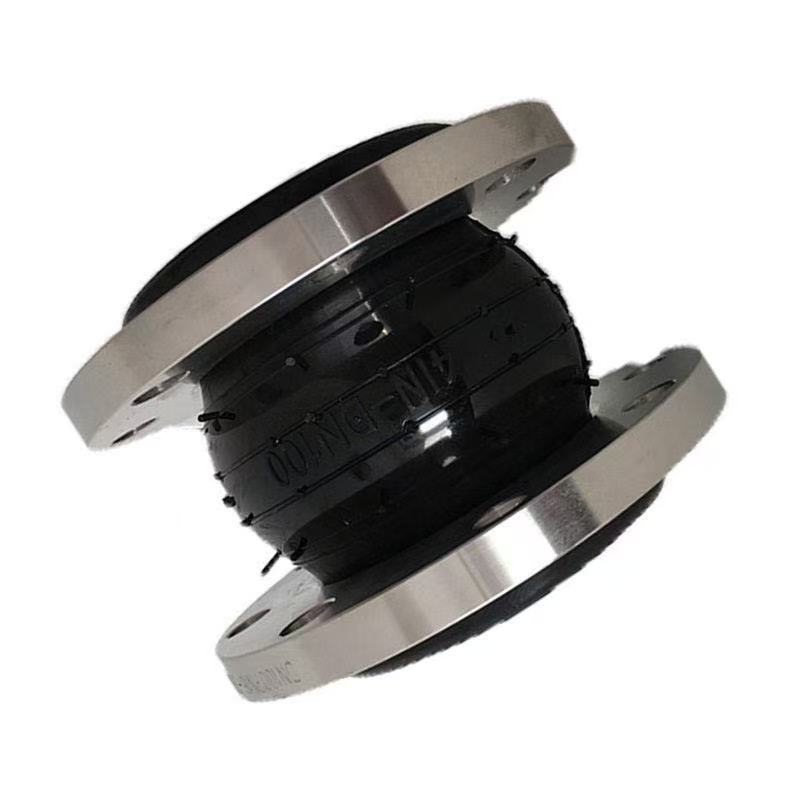
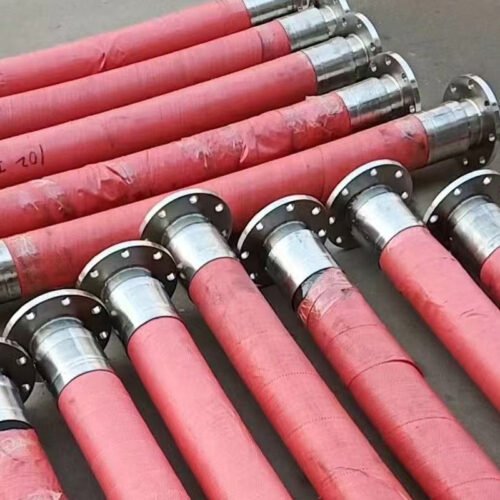
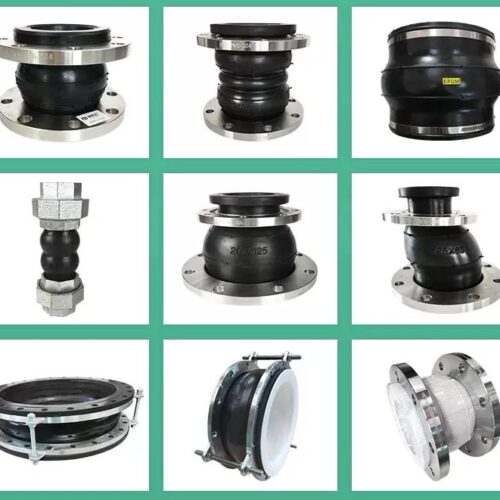
While corrosion resistant tubing takes charge of fluid transportation, nitrile expansion joints manage pipeline mechanical stress. Nitrile expansion joints are manufactured from NBR nitrile rubber compound, so buyers often search under the name NBR expansion joint. In global industrial market, people also call this part rubber expansion joint, rubber compensator or pipeline compensator.
Nitrile expansion joints have several core practical functions. First, they absorb thermal movement from hot or cold medium flow, which is why many engineers search thermal movement compensator for this component. Second, nitrile expansion joints damp mechanical vibration transferred from pumps, compressors and rotating equipment, acting as effective vibration isolation connector. Third, nitrile expansion joints compensate minor installation misalignment during site assembly. Fourth, nitrile expansion joints serve as pump suction expansion joint widely on pump inlet and outlet connections to protect pump bodies from pipe stress damage.
As oil resistant rubber joint, nitrile expansion joints show outstanding tolerance for mineral oil, hydraulic oil and petroleum‑based liquids. But nitrile expansion joints carry inherent material limitations. They are not suitable for strong concentrated acid, powerful solvent or high‑temperature steam working conditions. In such harsh scenarios, you cannot only rely on nitrile expansion joints; you need to switch to PTFE‑lined rubber compensator alternatives.
Typical Working Combination: Corrosion Resistant Tubing Matched With Nitrile Expansion Joints
In real‑world site layout, corrosion resistant tubing and nitrile expansion joints often work within one complete piping loop. Corrosion resistant tubing forms the main flow channel to carry corrosive or oily medium; nitrile expansion joints are installed at joints, pump interfaces and turning positions to release mechanical stress.
For oil‑hydraulic industrial loops: corrosion resistant tubing delivers oil‑based fluid, and nitrile expansion joints, as good oil resistant rubber joint options, perfectly adapt to oil‑contact environment.
For general‑chemical workshops: select qualified acid resistant tubing or other grade corrosion resistant tubing according to your medium property. Install nitrile expansion joints on positions with obvious vibration and thermal shifting.
One critical reminder for global buyers: separate the medium contacting surfaces. Your corrosion resistant tubing may resist harsh chemicals, but standard nitrile expansion joints cannot match every corrosive fluid. If the process medium will directly touch the inner rubber wall of nitrile expansion joints, double‑check chemical compatibility data sheet. When the medium exceeds NBR rubber tolerance range, keep your existing corrosion resistant tubing, and replace ordinary nitrile expansion joints with PTFE‑lined rubber compensator instead.
Key Technical Parameters for Corrosion Resistant Tubing Selection
1. Medium compatibility: Confirm whether your fluid needs acid resistant tubing or other grade corrosion‑proof tube. Check resistance against acid, alkali, solvent, oil or salt water.
2. Working pressure: Match nominal pressure rating of corrosion resistant tubing with your system peak pressure. Leave proper safety margin.
3. Temperature range: Distinguish continuous operating temperature and short‑time peak temperature for corrosion resistant tubing.
4. Dimension specification: Confirm inner diameter, wall thickness and overall length for corrosion resistant tubing to fit your on‑site assembly layout.
5. Connection ends: Choose flange end, hose barb, thread connection or other fitting types for corrosion resistant tubing according to your existing pipeline hardware.
Key Technical Parameters for Nitrile Expansion Joints Selection
When purchasing nitrile expansion joints (NBR expansion joint, rubber compensator), you need to evaluate these key indicators:
1. Nominal pipe size: Make sure nitrile expansion joints dimension matches your connected corrosion resistant tubing or chemical resistant pipe nominal diameter.
2. Pressure rating: Confirm PN / Class pressure class for nitrile expansion joints. Do not exceed maximum working pressure.
3. Movement capacity: Confirm axial compression, axial extension, lateral offset and angular deflection data of nitrile expansion joints, to handle thermal movement as thermal movement compensator.
4. Medium suitability: Since nitrile expansion joints work well as oil resistant rubber joint, prioritize NBR grade for oil‑media loops. Avoid strong corrosive fluid directly touching NBR rubber surface.
5. Installation form: Decide flange‑type or threaded‑type nitrile expansion joints. Many clients pick flange‑style pump suction expansion joint for heavy‑duty industrial pump stations.
Common Industrial Application Scenarios
Chemical processing plants deploy large volumes of corrosion resistant tubing for corrosive chemical delivery. At pipe joints and pump ports, nitrile expansion joints (rubber expansion joint / pipeline compensator) relieve vibration and thermal stress.
Waste‑water treatment sites use acid resistant tubing and corrosion‑proof tube for waste fluid conveyance. Nitrile expansion joints work as vibration isolation connector on centrifugal pump connections.
Hydraulic and oil‑processing facilities adopt corrosion resistant tubing for hydraulic oil circulation. Nitrile expansion joints act as oil resistant rubber joint to absorb pump vibration.
Energy and new‑energy production lines install chemical resistant pipe and corrosion resistant tubing for process fluid transfer. Nitrile expansion joints compensate thermal displacement for temperature‑changing piping.
Manufacturing factory utility piping combines corrosion resistant tubing and nitrile expansion joints to extend pipeline service cycle and cut down routine maintenance cost.
Important Installation & Operation Tips
Even high‑quality corrosion resistant tubing and nitrile expansion joints will fail under wrong installation.
For corrosion resistant tubing: Avoid sharp scratch on tube surface during handling. Do not exceed rated pressure and temperature limits of your corrosion‑proof tube. Match connection fittings correctly to prevent leakage.
For nitrile expansion joints (rubber compensator): Never stretch or compress nitrile expansion joints excessively during installation. Do not use nitrile expansion joints to correct huge pipe position offset. When used as pump suction expansion joint, guarantee enough negative‑pressure resistance rating. Keep nitrile expansion joints away from direct high‑temperature flame and strong corrosive medium contact if you are using standard NBR type.
Final Buying Advice for Global Buyers
Whether you are sourcing corrosion resistant tubing, acid resistant tubing, corrosion‑proof tube or supporting nitrile expansion joints, NBR expansion joint, rubber expansion joint, pipeline compensator, vibration isolation connector, oil resistant rubber joint and pump suction expansion joint, do not only compare unit price.
Verify material certificate, pressure‑temperature data sheet and chemical compatibility information first. Wrongly‑specified corrosion resistant tubing will suffer medium erosion. Improperly‑selected nitrile expansion joints will crack under vibration or thermal movement. Both situations bring safety risks and unexpected production loss.
If you cannot confirm material matching between corrosion resistant tubing and nitrile expansion joints for your specific project, send over your medium property, working pressure, temperature and dimension requirements. Our technical support team will offer professional recommendation for your industrial process piping solution.