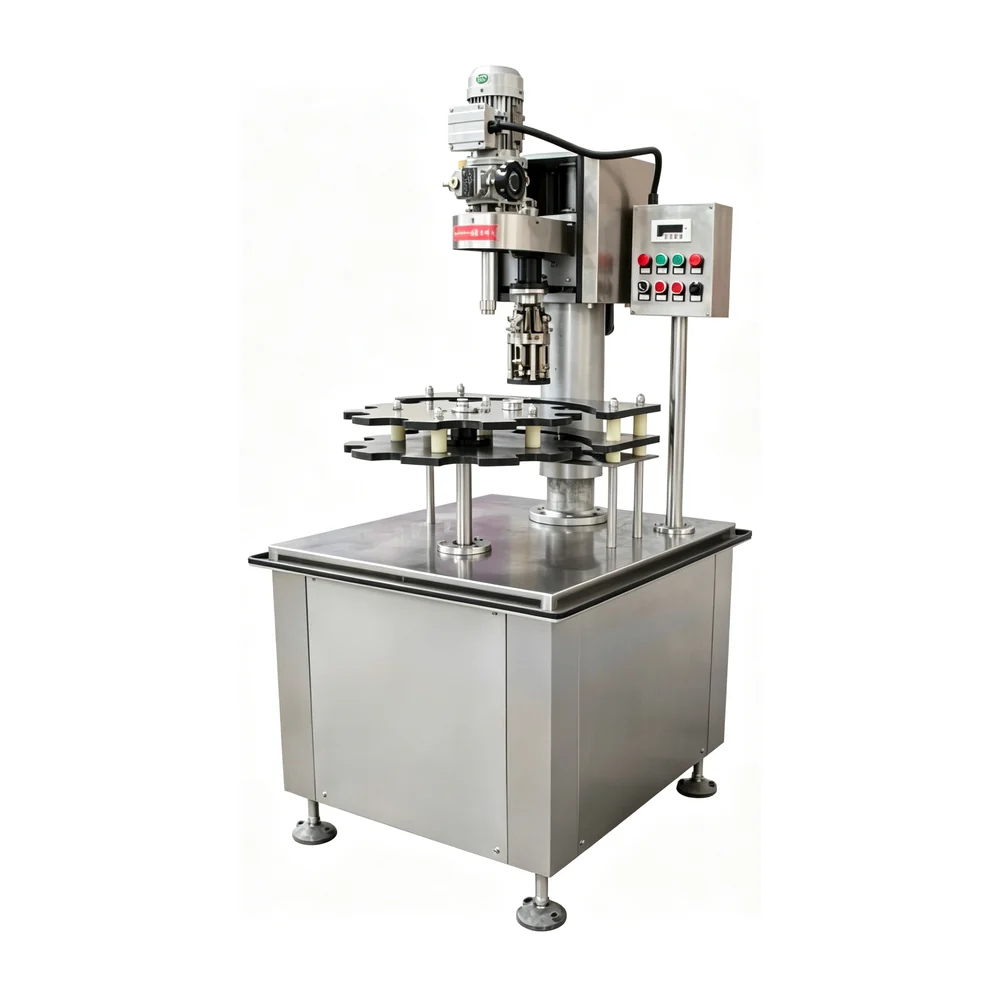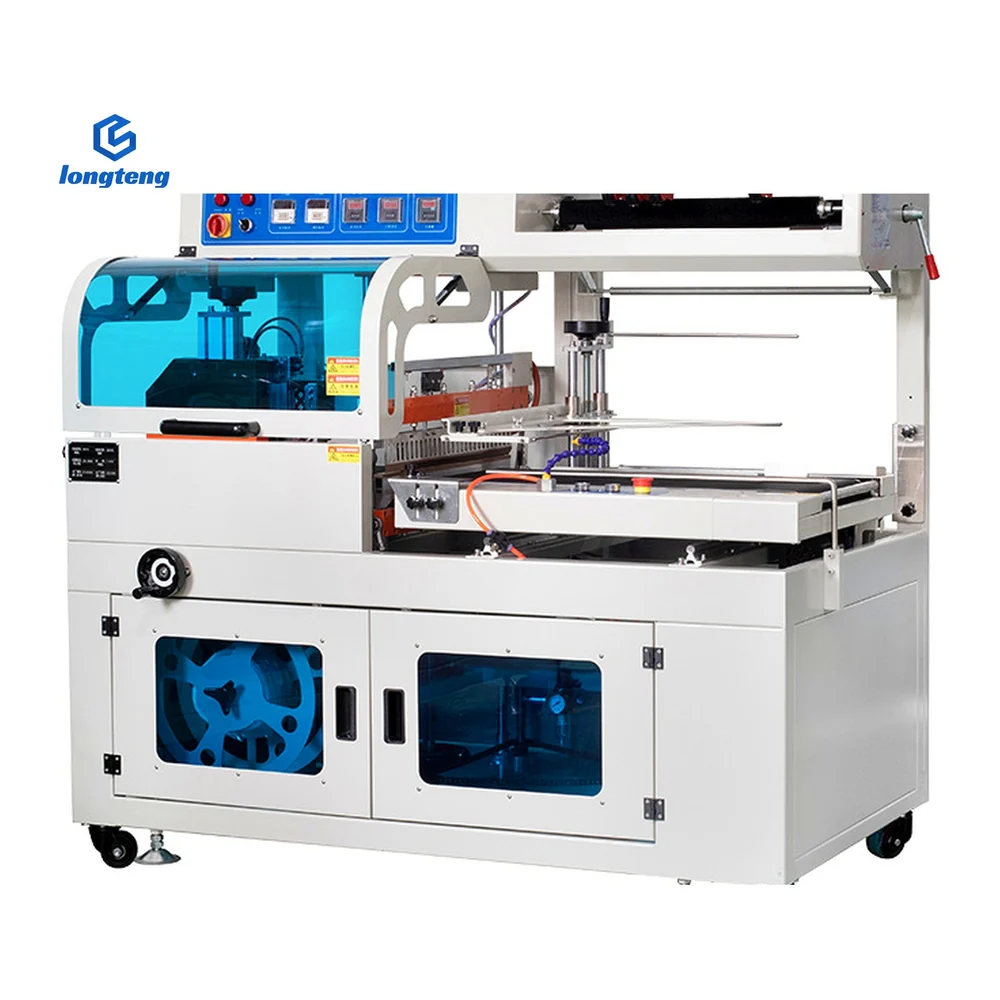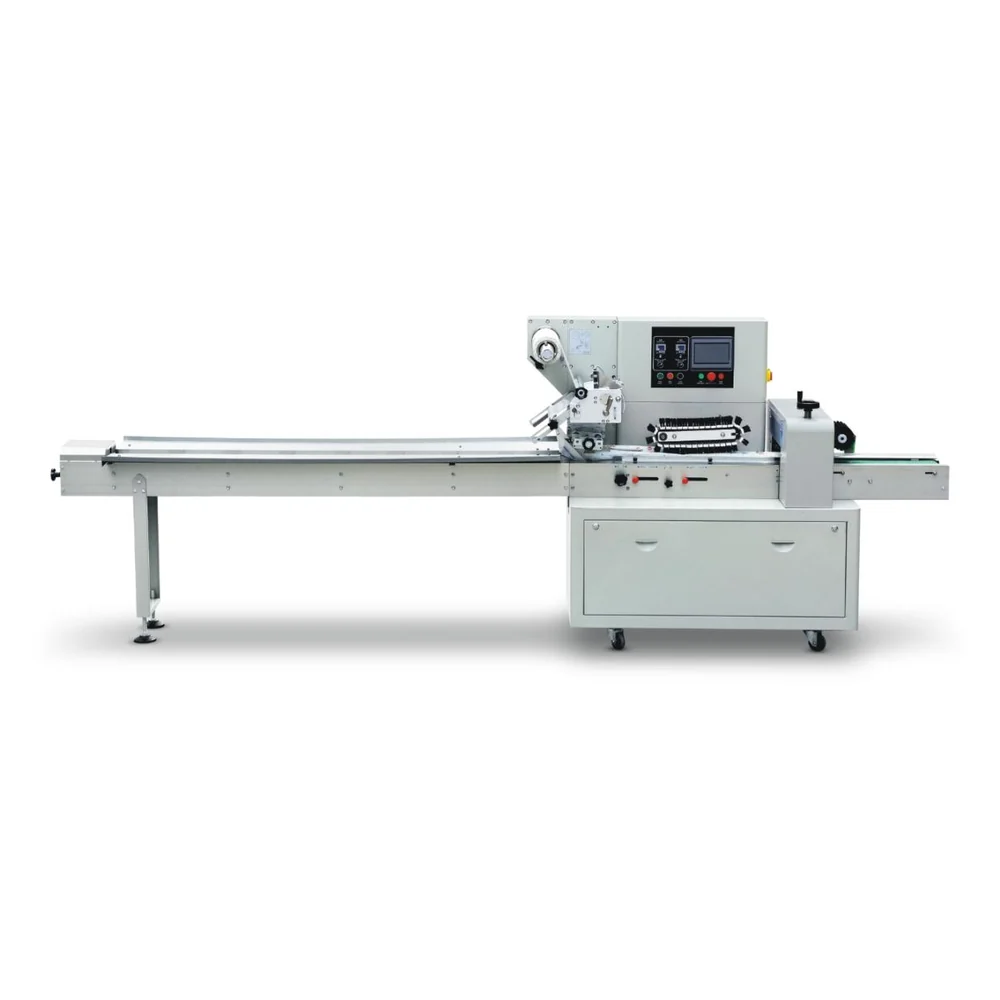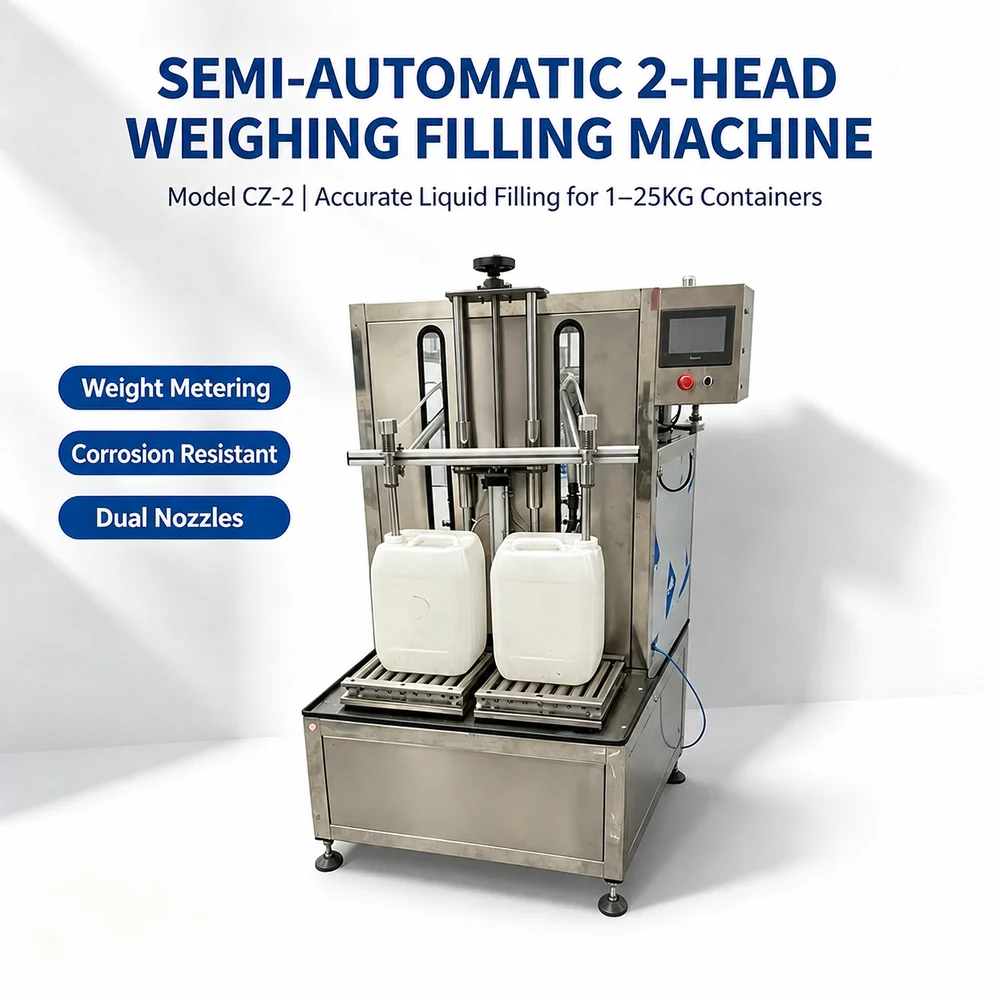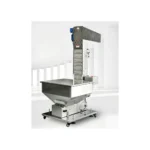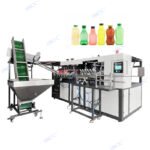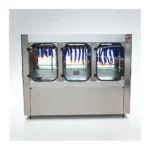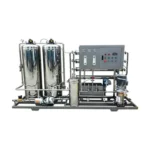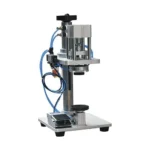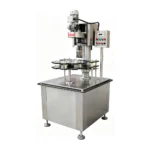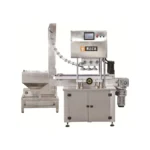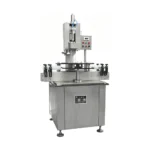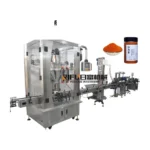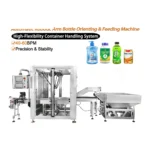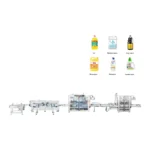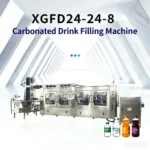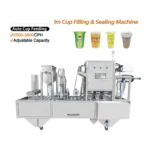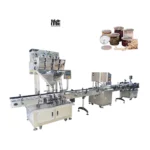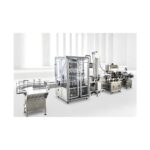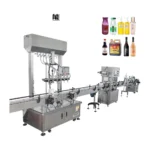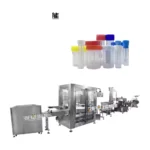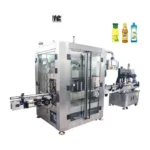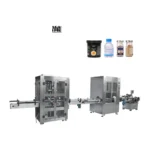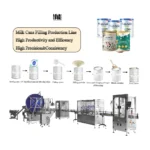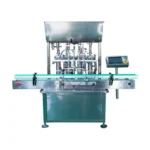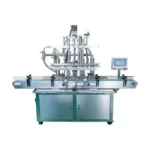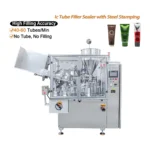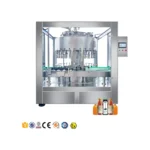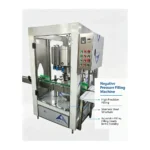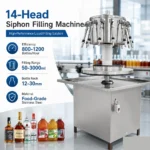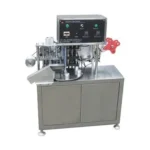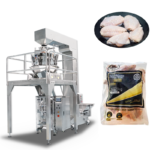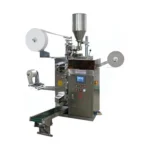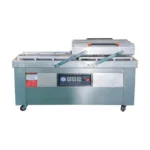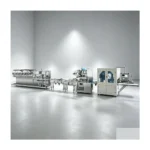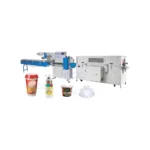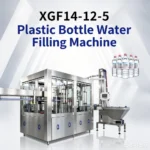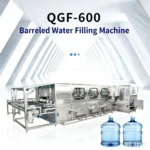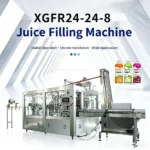
The right filling machine is determined first by the product, then by the container and required output. Water and other free-flowing liquids can often use gravity or flow-based filling, while oil, sauce, paste and corrosive chemicals may require piston, pump, weighing or corrosion-resistant systems. Before comparing prices, confirm viscosity, foaming, particles, fill volume, bottle size, accuracy and target speed.
This guide explains how to choose a filling machine for water, edible oil, sauce and chemical products without over-specifying the line. For a complete line concept, see our filling solutions and filling machines.
Match the Filling Principle to the Product
| Product condition | Typical examples | Common filling approach | Main selection concern |
|---|---|---|---|
| Thin, free-flowing liquid | Water, beverage, solvent | Gravity, overflow or flow-meter filling | Foam, accuracy and speed |
| Medium-viscosity liquid | Edible oil, shampoo, detergent | Pump, flow-meter or piston filling | Dripping, product temperature and cleaning |
| Thick sauce or paste | Ketchup, chili sauce, cream, honey | Piston or servo piston filling | Viscosity, particles and nozzle design |
| Product sold by weight | Oil, chemicals and bulk containers | Net-weight filling | Weight accuracy and container stability |
| Corrosive liquid | Bleach, acid or alkaline cleaner | Corrosion-resistant filling system | Contact materials, seals and operator safety |
Seven Details to Confirm Before Choosing
1. Viscosity and product temperature
Viscosity directly affects flow speed and filling accuracy. A sauce that flows easily when warm may become much thicker at room temperature. Tell the supplier the actual production temperature and, when possible, provide a sample or viscosity range.
2. Foam, gas and particles
Foaming liquids may need bottom-up nozzles, controlled flow or an overflow principle. Sauces containing seeds, pulp or small particles require a larger product passage and suitable valves. Never describe a product only as “liquid” when it contains particles.
3. Bottle material, shape and neck
PET, glass and metal containers behave differently on a conveyor. Lightweight bottles may require guides or neck handling. Share bottle drawings, photos and samples, including the smallest and largest formats.
4. Fill range and accuracy
A machine designed for 100 ml bottles is not automatically suitable for 5 L containers. Define the required volume range and acceptable tolerance. Accuracy should be evaluated with the real product, not water alone.
5. Required output
State the target in bottles per minute and the number of operating hours per day. The filler, capper, labeler and conveyors should be balanced. Buying an unnecessarily fast filler can create accumulation when downstream equipment is slower.
6. Product-contact materials and cleaning
Food, beverage, cosmetic and chemical applications may require different contact materials, hose types, seals and cleaning procedures. Ask how the product path is drained, cleaned and changed over between products.
7. Line integration
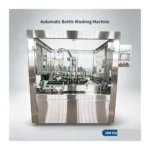
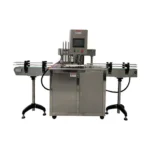
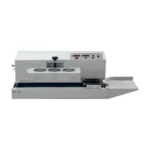
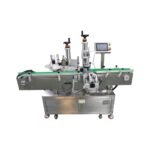
A practical bottling line may include bottle feeding, rinsing, filling, capping, induction sealing, labeling, coding and collecting. Confirm conveyor height, direction, available floor space and utility requirements before approving the layout.
Which Filling Machine Type Is Usually Suitable?
Gravity and overflow fillers are commonly considered for thin liquids. Overflow filling can create a consistent visual level in transparent bottles, while gravity filling is a straightforward option for suitable free-flowing products.
Piston fillers are widely used for viscous liquids, sauces and pastes. Servo-controlled designs can support recipe adjustment and controlled volume, but the correct cylinder and valve arrangement still depends on the product.
Pump and flow-meter fillers can suit oils, detergents and other liquids when the product characteristics and required accuracy match the metering method.
Net-weight fillers measure the delivered product by weight and are often considered for larger containers or products whose value makes weight control important.
Information to Send for an Accurate Proposal
- Product name, photos, viscosity and whether it foams or contains particles
- Minimum and maximum fill volume
- Bottle material, dimensions, neck size and samples
- Cap type and cap dimensions
- Target bottles per minute
- Available voltage, air supply and factory space
- Required labeling, coding, sealing and end-of-line processes
Common Buying Mistakes
Do not choose only by the number of filling heads. More heads do not solve incorrect nozzle selection, unstable bottles or unsuitable product passages. Avoid relying on a generic factory video when your product has different viscosity or particles. A real test with samples is the best way to confirm the filling result and cleaning process.
Frequently Asked Questions
Can one filling machine handle different bottle sizes?
Often yes, within a defined range. Change parts, guide adjustment, nozzle spacing and recipes may be required. The supplier should review every bottle format before confirming.
Can a filling machine connect with capping and labeling equipment?
Yes. A complete line can combine filling, capping, sealing, labeling, coding and conveying when the equipment capacities and layout are coordinated.
Should I send product and bottle samples?
Yes. Samples reduce uncertainty, especially for viscous, foaming, particulate or corrosive products.
Request a Filling Machine Recommendation
Send Longteng your product, bottle, cap, filling range and target output. We can recommend a single machine or a complete filling line based on the actual application. Contact Longteng on WhatsApp for a quotation.