Anyone working with DTF (Direct-to-Film) white ink printing knows that the durability, softness, and wash resistance of printed patterns depend not only on ink quality and printing techniques but also on the easily overlookedDTF hot melt adhesive powder. Most common printing issues, including pattern cracking, powder shedding, washing peeling, and stiff hand feel, stem from improper selection or low quality of the hot melt adhesive powder.
As the core bonding material of the DTF printing process, hot melt adhesive powder acts as a critical medium connecting PET transfer films, printing inks, and fabrics. Though seemingly insignificant, it directly determines the texture, durability, and compatibility of finished DTF prints. This article provides a comprehensive guide to DTF hot melt adhesive powder, covering its working principle, classification, core advantages, and selection tips to help you master key industry knowledge.
1. What Is DTF Hot Melt Adhesive Powder? Core Working Principle
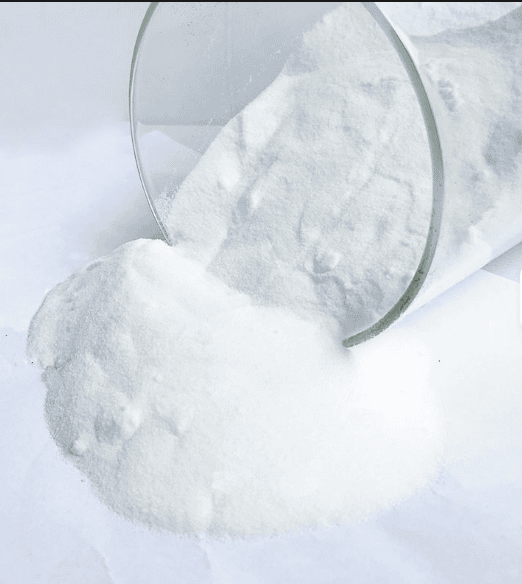
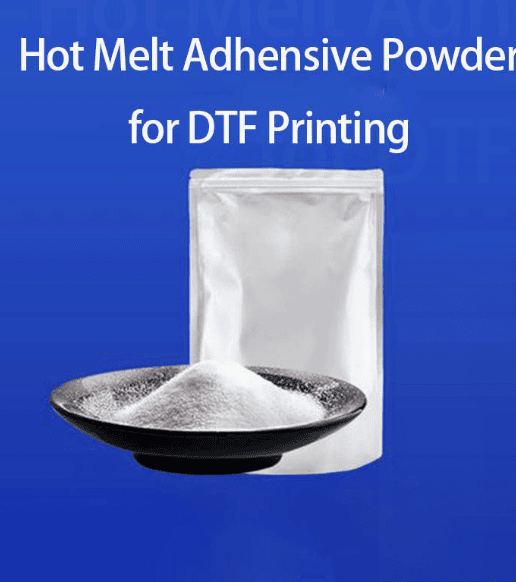
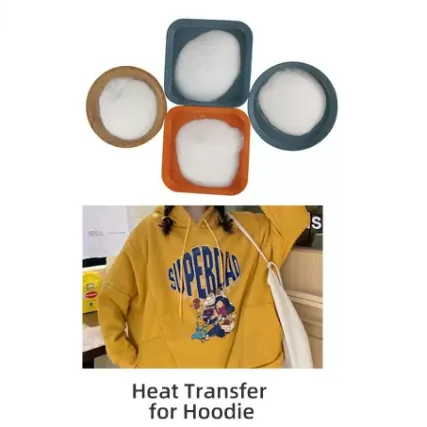
DTF hot melt adhesive powder is a thermoplastic bonding powder specially developed for direct-to-film thermal transfer printing. The mainstream material isTPU (Thermoplastic Polyurethane), with a small number of polyester-based options. It is an environmentally friendly, solvent-free solid adhesive material. Unlike traditional liquid glue, it remains solid powder at room temperature with stable properties, no deterioration, and long-term storage stability under normal temperature conditions.
Its working process is simple and efficient. After the DTF printer prints white ink and color patterns on the PET film, hot melt adhesive powder is evenly spread on the printed surface. Excess floating powder is removed by vibration, and the powder is firmly adhered to the wet ink layer after drying and curing. During high-temperature heat pressing, the adhesive powder melts rapidly under heat and forms a highly elastic bonding layer after cooling, which firmly attaches the pattern to various fabrics and completes the entire transfer and curing process.
Notably, high-quality DTF hot melt adhesive powder features selective adhesion. It only adheres to wet printed ink without sticking to blank film areas, eliminating the need for manual edge cutting and waste removal. It is perfectly suitable for complex logos, fine text patterns, full-print designs, and other intricate patterns, greatly improving production efficiency.
2. Main Classifications: Precise Classification by Particle Size and Color
Commercial DTF hot melt adhesive powders are mainly classified by particle thickness and color. Different types vary greatly in fabric compatibility and printing effects, and accurate selection is essential to avoid printing failures.
2.1 Classification by Particle Size (Core Selection Standard)
Fine Powder (1-80μm): Featuring fine and pure particles, it forms ultra-thin and transparent adhesive films. After heat pressing, the finished print delivers an extremely soft hand feel with no sticky or stiff texture, maximally retaining the original draping and texture of fabrics. It is ideal for low-density lightweight fabrics such as silk, chiffon, thin T-shirt fabric, and mesh fabric, delivering high-end delicate printing effects with clean and burr-free pattern edges.
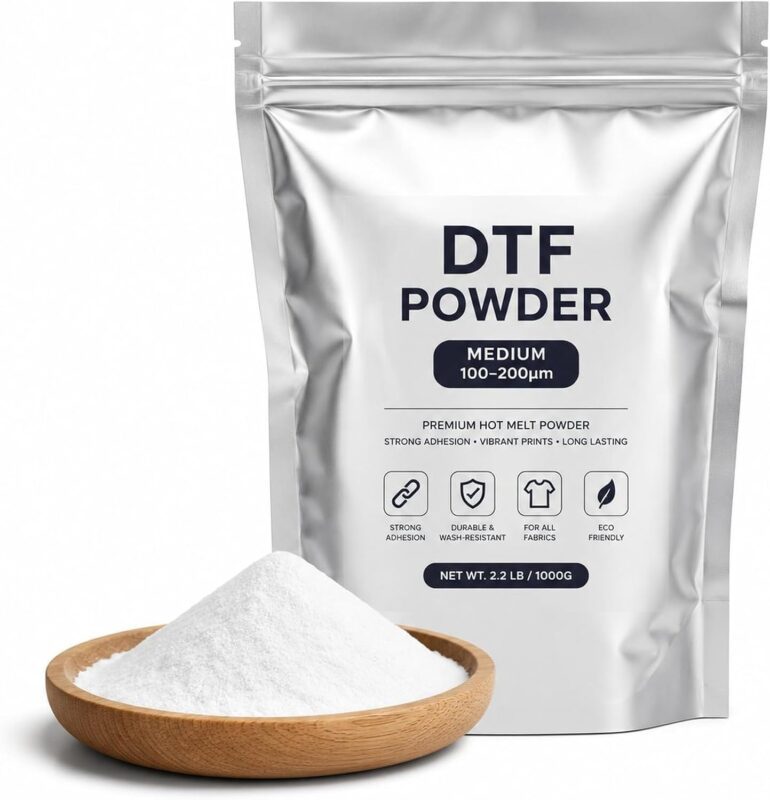
Medium Powder (80-170μm): A universal industry staple that balances bonding strength, softness, and air permeability. It is compatible with most conventional fabrics, including pure cotton, cotton-polyester blends, polyester, and knitted fabrics. Finished prints offer excellent washing fastness and high color restoration, resisting fading and cracking after multiple washes. It is the primary choice for garment factories and printing manufacturers.
Coarse Powder (170-250μm): It forms thicker adhesive layers with superior bonding strength, tensile resistance, and wear resistance. Suitable for heavy-duty materials such as thick sweatshirts, denim, canvas, bag fabrics, and shoe & hat materials, it effectively solves common problems of peeling and edge lifting during transfer printing on thick fabrics for long-lasting durability.
2.2 Classification by Color
White Adhesive Powder: The most versatile option with excellent covering power. It matches dark and bright-colored fabrics perfectly, completely covering fabric base colors to present vivid and full print colors without grayish transparency issues.
Black Adhesive Powder: Specially designed for black and dark-toned pattern transfer. Its color highly matches dark patterns, ensuring natural edge transition and eliminating white edges and whitish blemishes to improve the fineness of finished prints.
3. Core Advantages of High-Quality DTF Hot Melt Adhesive Powder
Low-quality adhesive powder commonly causes powder shedding, stiff texture, washing cracking, and pungent odors. In contrast, premium TPU hot melt adhesive powder has multiple core advantages, meeting the needs of industrial mass production and high-end customization.
3.1 High Elasticity & Ultra-Soft Hand Feel: High-quality powder forms an elastic adhesive layer after curing, which stretches and bends freely with fabrics without stiffness, whitening, or cracking. The printed area is skin-friendly and residue-free, completely eliminating the rigid “plastic shell feel” of traditional heat transfers.
3.2 Excellent Wash Resistance & Long Durability: It withstands 60℃ warm water washing and professional dry cleaning. After dozens of washes, the patterns remain firmly attached with no color fading, peeling, or cracking, meeting the long-term wear requirements of garments and exceeding industry basic fastness standards.
3.3 Eco-Friendly & Skin-Friendly: Made of environmentally friendly raw materials with no formaldehyde, heavy metals, or pungent odors. Most products pass OEKO-TEX environmental certification, featuring breathability and skin friendliness, making them suitable for high-end textile products such as children’s clothing, intimate apparel, and sportswear.
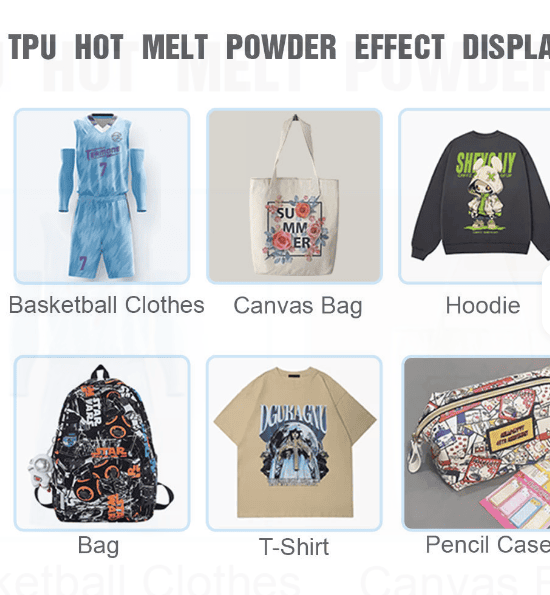
3.4 High Stability & Wide Compatibility: It features stable chemical properties and resists caking, deterioration, and moisture under normal temperature storage. It is compatible with most materials including pure cotton, polyester, nylon, blended fabrics, and leather, covering clothing, shoes and hats, home textiles, advertising fabrics, and more application scenarios.
3.5 Simple Process & Labor Saving: No letter cutting or waste removal is required. Fully automatic powder spreading and curing adapt to assembly line mass production, significantly reducing labor costs and improving delivery efficiency. It is the optimal solution for small-batch customization and personalized printing.
4. FAQ: Solve 90% of Common Printing Failures
4.1 Patterns peel or pit after washing? This is mostly caused by incorrect powder particle size selection or mismatched heat pressing parameters (temperature, pressure, time). Lightweight fabrics paired with coarse powder lead to weak bonding, while heavy fabrics paired with fine powder lack sufficient fastness. The standard pressing parameter is around 160℃ for 6 seconds.
4.2 Finished prints feel stiff and non-breathable? This problem usually results from low-quality recycled powder or misuse of coarse powder on lightweight fabrics. It is recommended to replace with high-purity TPU fine powder to form ultra-thin and breathable adhesive layers and restore the original fabric texture.
4.3 Pattern edges have burrs and glue overflow? It is caused by low-purity powder with excessive impurities or uneven powder spreading. High-purity hot melt adhesive powder features uniform particles and zero impurities, delivering clean and neat edges with excellent detail performance after curing.
5. Conclusion: Powder Quality Determines the Upper Limit of Printing Quality
Many practitioners believe that DTF printing quality depends on equipment and ink, but in fact, hot melt adhesive powder is the decisive factor for finished print texture. As a seemingly auxiliary consumable, it directly controls the fastness, hand feel, appearance, and durability of printed patterns.
Whether for garment customization, home textile printing, shoe and leather product processing, or advertising fabric production, selecting the right DTF hot melt adhesive powder can avoid after-sales problems such as cracking and peeling, greatly improve finished product grade, reduce production costs, and maximize the advantages of DTF printing technology. For practitioners pursuing high quality and high stability, premium hot melt adhesive powder is always the most cost-effective process upgrade choice.
Jiangxi Juge New Material Technology CO.,LTD

×